
NBA inspired: You know how pro basketball players look almost effortless out there. For one second they are changing direction , then there is a big jump, a fast sprint, or that controlled landing that feels , I dunno, super clean. But even though those moves last only a few seconds on the court, they come from years of strength training, mobility practice, recovery routines, and careful conditioning.
Now, the average person- you and me- does not need to train exactly like an NBA athlete. Most folks are not lining up for an 82 game season, and we are not living in team facilities. Still, a bunch of the principles behind pro basketball can be adapted for everyday fitness, no problem.
The most useful takeaway is n’tabout lifting huge weights or doing tricky, complicated drills. It’s more about building a body that is strong, mobile, stable, and able to move without feeling stiff or awkward;d, you get it.
For students, office workers, parents, entrepreneurs, and basically anyone who spends long hours sitting, an NBA-inspired approach can mean something pretty simple: combining strength exercises with mobility work, walking regularly, and also paying attention to recovery.
NBA inspired: Strength Is Really About More Than Just Muscle
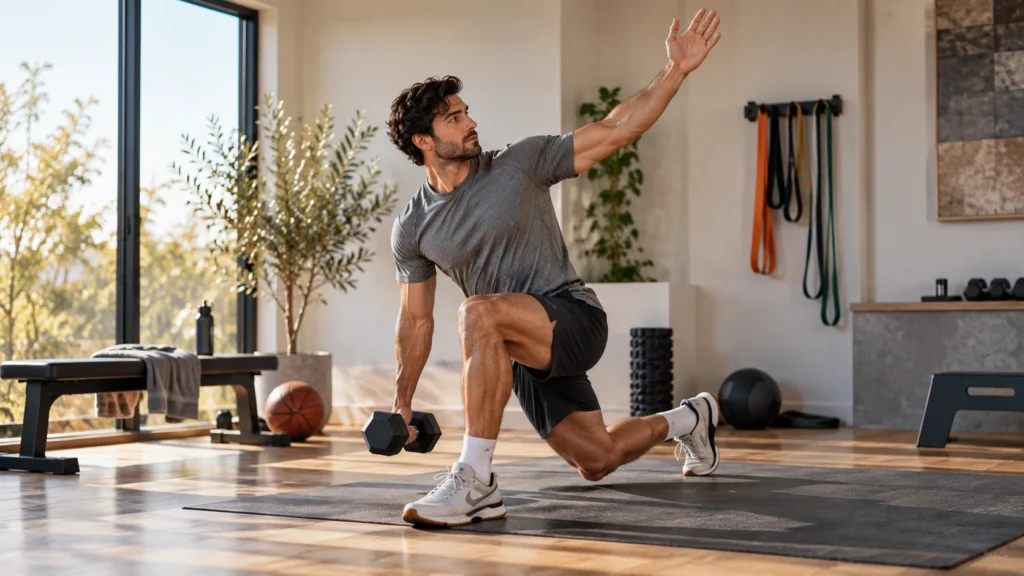
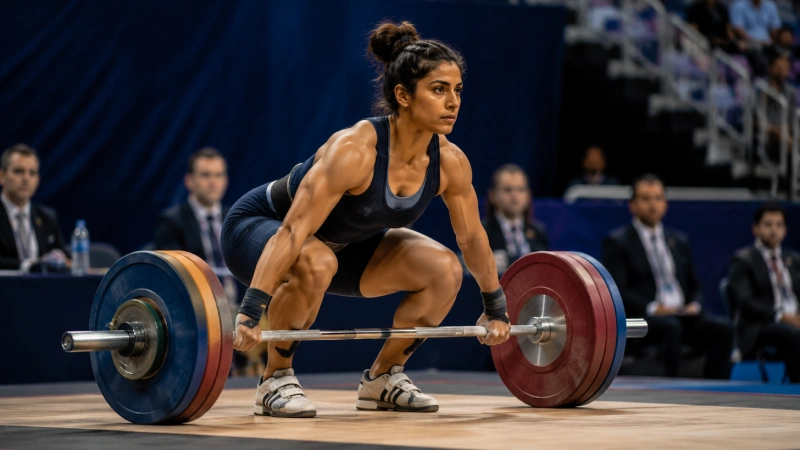
Basketball athletes have to accelerate, brake, hop, touch down, and swivel direction again and again. So strength training should support the actual movement, not just look good. And for normal fitness, you can basically use the same idea through functional exercises that engage several muscle groups at once, not in a random way.
Things like squats, lunges, glute bridges, push-ups, rows, and controlled step-ups can form the base of a simple strength routine. If you are a beginner, you can start with bodyweight drills first, then add resistance little by little. Also, a couple of light dumbbells can make at-home workouts feel harder without a huge pile of gear.
The goal isn’t to chase the heaviest possible load. The goal is to build strength over time, while keeping solid technique, and not letting form turn sloppy just because you want more weight fast.
Mobility Keeps Movement Comfortable
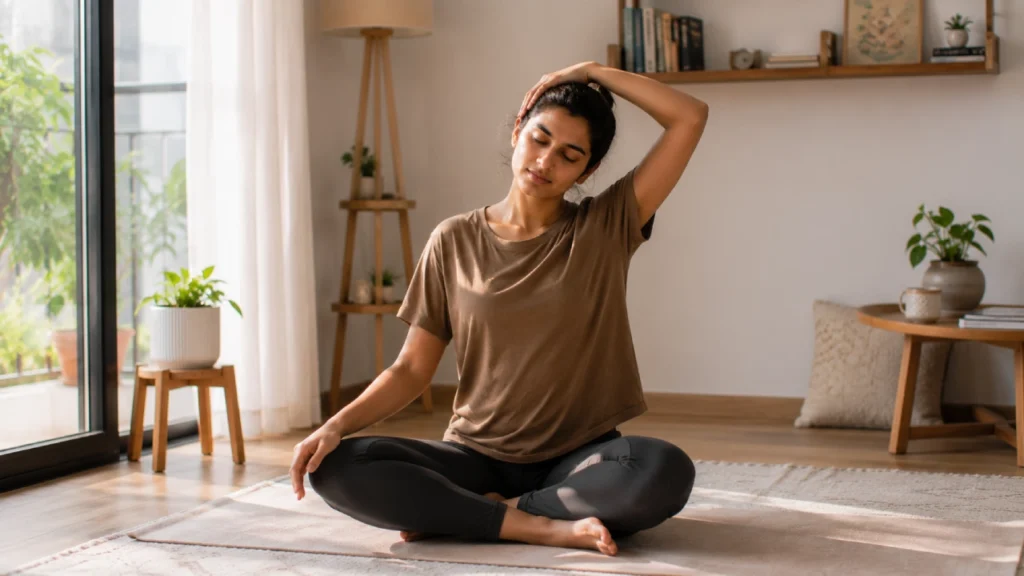
Strength without mobility can make the body feel kinda stiff, especially if you’re seated most of the day.NBA players regularly work on mobility too, because their sport demands big ranges of motion from hips, ankles, shoulders, and spine. It’s kinda not optional. For regular people who exercise, the same idea can work well with quick mobility sessions.

Try hip circles, ankle movements, shoulder rolls, thoracic rotations, and some soft hamstring stretches. You can slide these in before a workout or after, whatever fits your routine. Honestly, even five to ten minutes can help more than people expect . Mobility matters even more for desk-bound routines, since staying in one position for hours can leave the hips, shoulders, and upper back feeling tight.
Warm Up Before You Train
Pro athletes rarely jump into intense effort without doing some kind of prep for their body. A decent warm-up usually warms things up bit by bit and helps your muscles plus joints get ready for motion. For regular life, itdoesn’tt have to be super elaborate. Five to ten minutes of brisk walking or marching in place, then arm circles, a few bodyweight squats, and some gentle lunges can be plenty before a moderate session. In general, dynamic movements are a better bet before working out than staying in one spot and holding long static stretches. The whole point here is to prepare, not to wipe you out completely.
Build Stronger Legs
Basketball, of course, runs on lower-body power. For everyday fitness, strong legs matter for much more practical reasons too: moving around, going up stairs, carrying groceries, staying steady, and handling daily tasks with comfort. Bodyweight squats are a solid starting choice. As your strength climbs, you can slowly swap in reverse lunges, split squats, and step-ups. If you want, light dumbbells can later add a little resistance.
A simple lower-body routine might look like this:
- Squats
- Reverse lunges
- Glute bridges
- Step-ups
- Calf raises
Doing two or three sets of each exercise is usually enough for real-world strength work, without you needing a gym.
The Core Is Not Just For Looking Fit
It helps you keep your balance when you move.
You feel it in everyday tasks too, like picking things up, turning around, walking, and staying sure on your feet.
In basketball, your core matters when you change direction.It also helps when you get bumped by other players.With regular practice, you can build the same steadiness using simple drills.
Try a plank, dead bug, bird dog, or a slow mountain climber.If you want one main rule, focus on clean form, then do the work.A solid plank for twenty seconds can beat a shaky one that lasts longer.
Practice Landing Safely.
In basketball training, landing well is a big skill.
Players jump a lot, then land each time.
So you need control when your feet hit the floor. You can work on this without big jumps.
Start by going from a squat to standing.
Keep your knees lined up with your toes.
Hold the same control through the full move.
When you can do it without strain and your joints feel okay, you can add small, light hops later.
Go for landings that feel soft and steady, not for extra height.If you feel pain or you are dealing with an injury, skip jumping drills for now.
Talk to a trained professional before you move on.
Mobility Should Not Be Pushed Aside
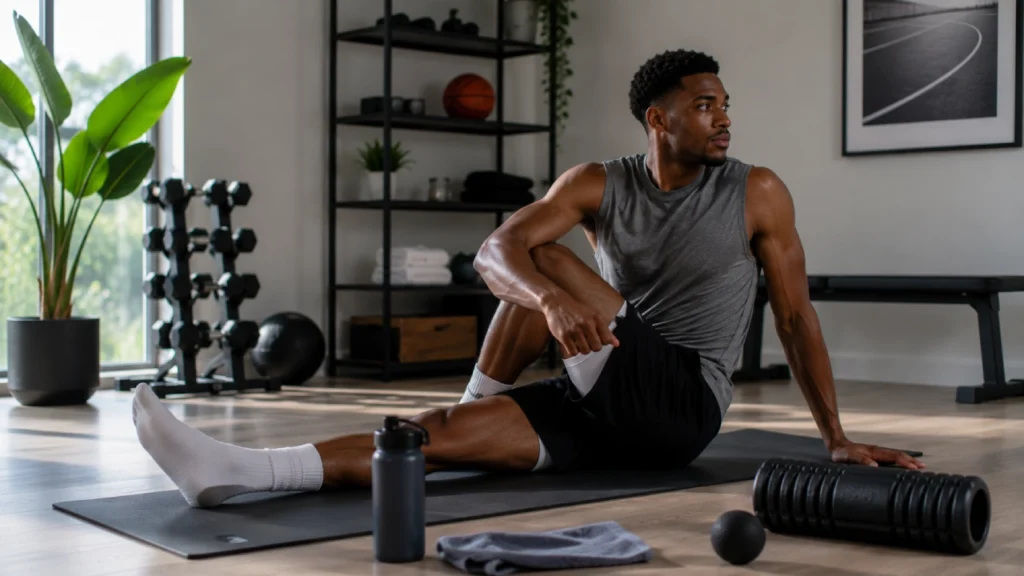
A lot of people wrap up a workout and then jump to the next thing.In pro sports, recovery and mobility get real attention.Athletes have to keep their movement sharp for months. That’s why a quick cool-down can fit into daily life.
After you train, try slow stretching for your calves, hamstrings, hips, chest, and shoulders.
Yoga can also work well alongside strength work.
A simple set of Child’s Pose, Cat-Cow, Downward Dog, some hip stretches, and easy twists can help you settle down after training.
Walking Still Matters
Even elite athletes use focused conditioning work, but daily life does not have to be complex.
Walking is one of the easiest ways to move.
A brisk walk helps your heart and lungs while staying gentle on your joints. If you sit all day, short walking breaks can help you avoid long stretches of stillness. Try a ten-minute walk after lunch, take a walk after work, or choose to walk for short trips instead of driving . Fitness is more than the time you spend in the gym.
Train for Steady Progress, Not a Total Burnout
Many new lifters assume a good session must wipe them out. That is not how strong training is built. Pro athletes follow plans on purpose so they can keep performing week after week.
They do not aim to wreck themselves every time they hit the gym.
Day-to-day fitness works the same way. If you can do a thirty-minute workout three times each week, that usually beats a brutal two-hour workout.
The longer session might feel impressive, but it can also leave you sidelined for days.
- Make changes slowly.
- More reps can count.
- A small jump in weight can count too.
- Better balance counts.
- Cleaner movement also counts.
Recovery Counts as Training
Even NBA players bring in staff for recovery.
Hard games create real stress in the body.
Regular exercisers should care about recovery too, even if you don’t have special support.
- Sleep matters.
- Eat in a way that supports your effort.
- Drink water.
- Take rest days when you need them.
Also watch how your muscles feel.Normal tiredness is one thing. Sharp pain or pain that keeps coming back is another.Do not just force it because you think pain means you are improving. Rest is not the enemy of fitness. It is part of the whole plan.
NBA Feel, Weekly Plan for New Lifters
If you are new, you can turn these ideas into a simple week.Here is one way to set it up:
- Monday: strength for the whole body, then mobility
- Tuesday: brisk walk, then easy stretching
- Wednesday: lower-body work plus core moves
- Thursday: easy walk, then some mobility work
- Friday: full-body strength day
- Saturday: walk or bike, or try yoga if you like it
- Sunday: full rest, or very light movement
You can shift the days to fit your life and your current level. If you do not have much time, aim for two or three strength days each week.
Then stay moving with walks and quick mobility breaks.
You Do Not Need Much Gear
In the BA, training spaces have advanced tools.
But normal fitness at home does not need that.
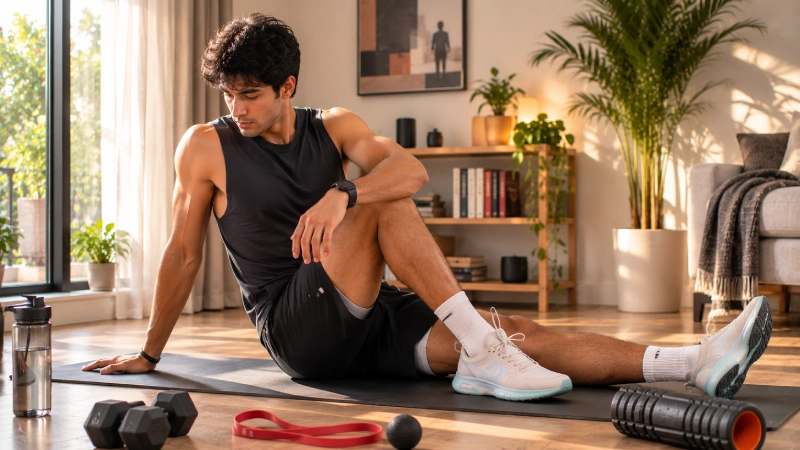
A yoga mat helps you stay comfortable during floor work and mobility drills. Light dumbbells can add effort to squats, lunges, rows, and presses.
Resistance bands are also cheap and helpful for strength and mobility.
A solid step or low bench can help with step-ups.
Just make sure it does not wobble and feels safe to use. Use gear to support better movement. Do not buy things just to collect them.
Final Thoughts
NBA athletes push their bodies hard, yet the methods behind it are not as far away as they seem. You can use the basics in normal life. Think about strength work, hip and shoulder range of motion, core control, steady reps, regular walking, and enough rest. You do not have to copy NBA drills. You also do not need long sessions every day.
A better plan is simple: get stronger, keep joints moving well, move often, and let your body bounce back.If you are just starting, you might use a light set of dumbbells, a yoga mat, a few bodyweight moves, and a habit of walking more during the week. This is not about training like a pro; it’sabout feeling fit day to day, moving with more ease, and staying ready for what comes next.