

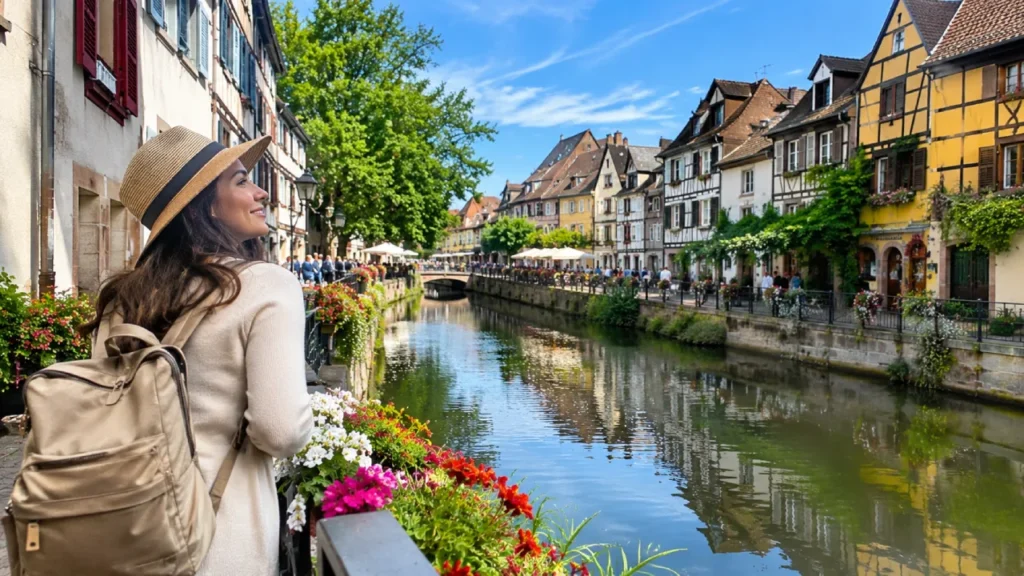
A first trip to Europe can feel like a race. It is easy to want to see everything in one go. There are many countries, well-known old towns, pretty coastlines, and trains that connect places in a hurry. So many people end up with plans that are too full.
Slow travel is a different way to do it. Instead of moving every day, travellers can stay put for longer. They can rely on buses and trams, walk around nearby streets, and not rush every moment. Simple things matter too, like sitting in a café, browsing a local market, or riding a train just because the view is nice.
For first-timers, this style can make the trip feel more real. It stops being only a list of places to tick off. It becomes more about getting a sense of where you are.
Slow Travel in Europe: Pick Fewer Stops
A clear way to go slower is to choose fewer places. Rather than trying to cover five or six countries in a week, start with two or three destinations. Aim for spots that are easy to reach from each other. Spend several nights in each place. That gives time to see key sites, but it also leaves space to wander without a strict plan.
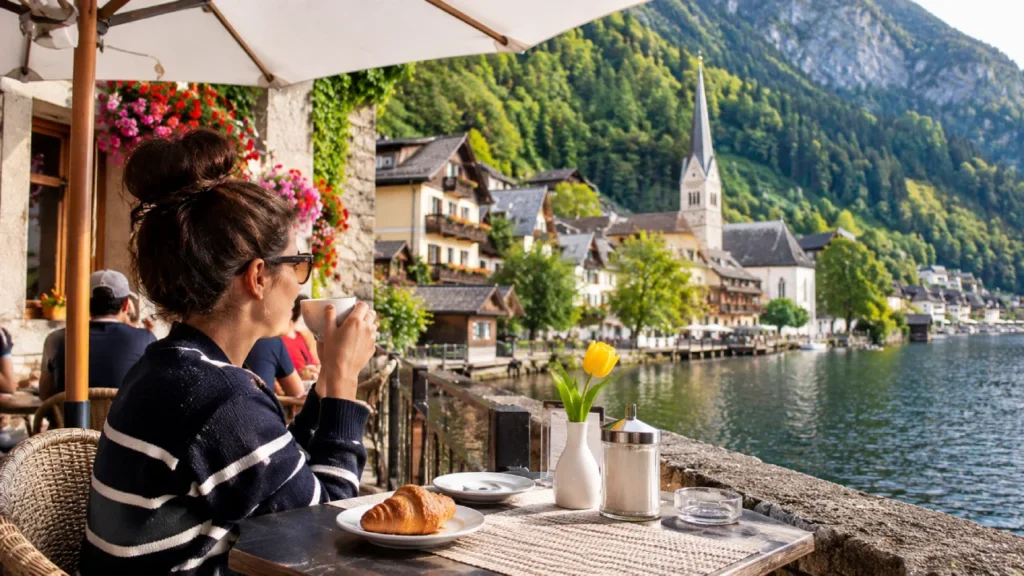
It also cuts down on the usual cycle. Pack your bag. Check out. Travel to a station or airport. Then check into a new hotel. When you do less switching, you spend more time where you are.
Use the Train as Part of the Plan
Europe has a large rail network, so train travel fits well with a slower trip. The European Commission is still backing upgrades for cross-border rail and fast services. At the same time, new ideas are meant to make it simpler to book trips that involve more than one rail company.
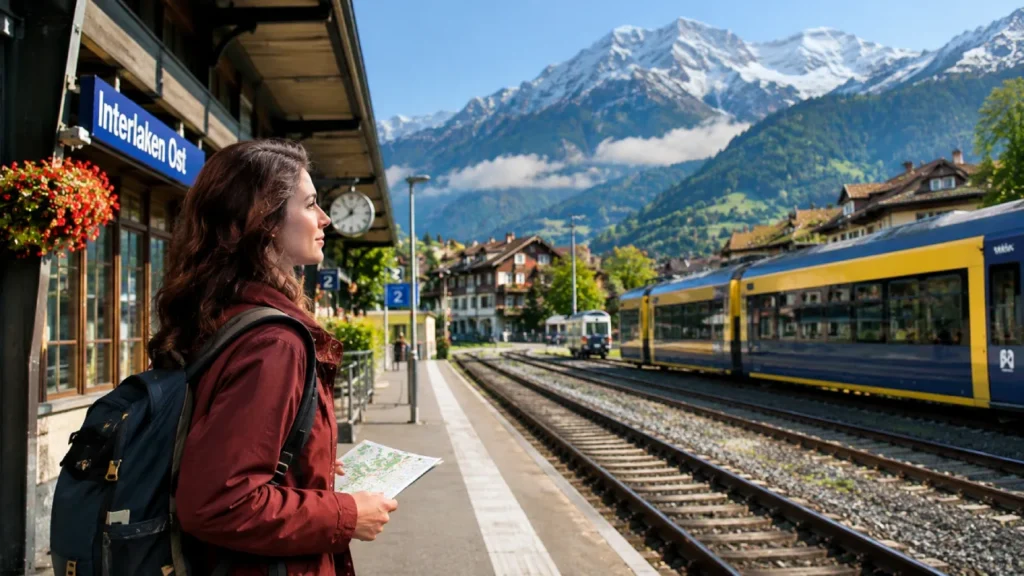
If you are thinking about short flights to nearby places, try a rail option instead. During the ride, the trip becomes more than just transport. You can watch towns and open fields roll by, and the view changes as the route moves on. That feels different from landing at an airport and then rushing to the next stop.
The Visit Europe portal also points to trains, plus walking paths and cycling. The goal is to see places at a calmer pace and with a fresh angle on the region.
Stay Longer in One Area
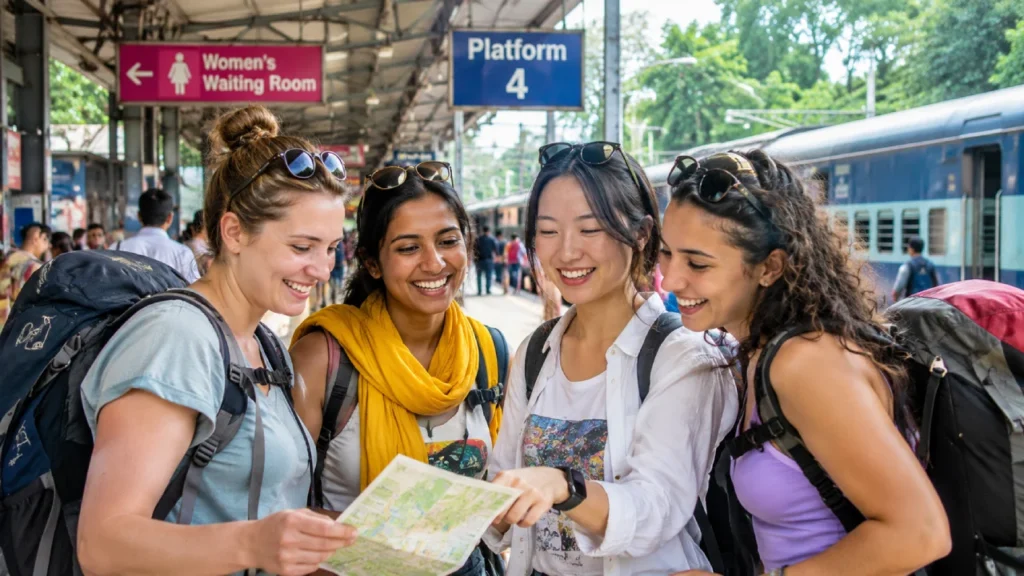
A city can look and feel new when you spend time past the top highlights. If it is your first visit, pick a place to stay in a district with easy public transport. Then plan to walk through nearby streets each day.
Start with a stroll to a bakery, check a local market in the morning, or spend an afternoon in a park. These moments are often overlooked when the schedule is only built around big sights. This is not about skipping well-known attractions. It is about mixing them with everyday scenes and slower time.
Build One Unplanned Day
A holiday with a full plan can feel locked in. When you leave one day, or even just a few hours, open, you can do what comes up in the moment. You might ask locals what to see, pop back to a café you liked, stop at a small museum, or just walk without a goal.
That loose schedule can help when the sky turns or when trains and buses run late. Slow travel still includes plans. The difference is you leave room for those plans to shift.
Explore Local Markets
Markets make it simple to see daily life up close. In many places, you can find fresh fruit and vegetables, regional dishes, crafts made by hand, flowers, old items, and seasonal treats.
Instead of viewing a market only as a place to buy things, you can treat it like a window into local habits. Notice what people eat and when they shop. Grab a few ingredients for an easy meal, or choose a local bite for later. Then an ordinary afternoon becomes part of the trip.
Take a Break for Café Time
Café culture is an easy way to slow your day down. Instead of grabbing coffee and moving on right away, you can sit and watch what is going on nearby.
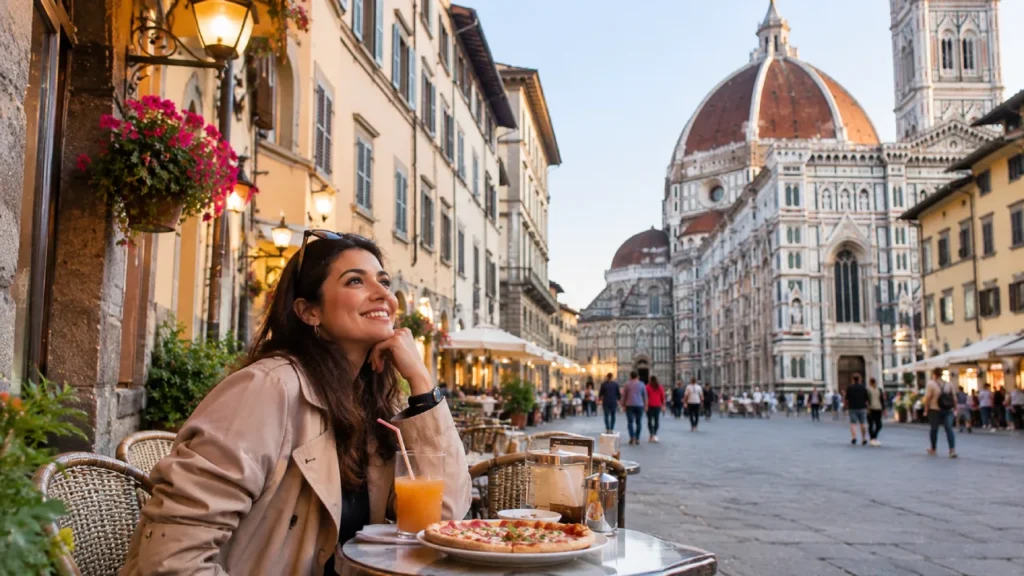
A café stop can fit between visits without feeling forced. You can also taste local drinks, pastries, or small meals while you are there. Those short pauses might look minor on a plan, but they often turn into the best moments of a trip.
Walk More, Ride Less
Walking works well in tight European towns and older city areas. A route you map out in advance can link key sights. Along the way, you will likely notice buildings, plazas, shops, and side streets where people live.
Every so often, skip the straight path. Take a turn onto a calmer lane or head toward a public garden. You may spot parts of the city that do not show up on common sight lists. For trips that go farther, mix in buses, trams, metros, or trains. Use them to extend the walk, not replace it.
Take a Quieter Detour
Slow travel does not mean you must remain in just one place for the whole break. You can go to a nearby town, a village, a lake, or some countryside and still feel refreshed. The trip does not have to be hard or long.
Going by train for a day can be nice too. You get to enjoy the ride, not only the stop you reach. Just try not to treat every day like it is a contest for time. A single good detour can feel better than a string of trips you rush through.
Spend a Bit of Time in Smaller Towns
New visitors often aim straight for the big European capitals. Those places are worth seeing, but smaller towns can feel easier. A few nights somewhere smaller lets you stroll past old streets, try local cafés, and notice a calmer side of the area.
You do not have to pick only one option either. You can pair a major city with a smaller stop on the same trip. That way, you get to see more than one kind of daily life across Europe in the same trip.
Pick Local Food, Skip the Restaurant Hunt
Food is a simple way to feel close to a place.
Instead of ticking off every top spot, you can look for regional dishes. Try bakeries, food stalls, small diners, and walk-in cafés. One plate at a time can start to feel like part of the trip.
A short list of food-related words can help too.
You do not need to be fluent. Even a few lines for ordering can make normal talks easier and less awkward.
Learn Basic Phrases
You will not need the full language for every moment. But learning greetings, thank-you lines, and a couple of simple questions helps.
It also pushes you to notice what is around you.
Slow travel is not only about moving less.
It is also about noticing more as you go.
Stay Somewhere That Fits the Tempo
Where you sleep changes how calm the days feel. A place near main streets can cut down on daily travel. A quieter area can feel more like living there for a while. The right choice depends on the city and what you care about most.
If you will be there longer, look for a small kitchen or a breakfast space. That makes it easier to keep a routine. You can eat like a local on some mornings instead of searching for a meal every time you see a new sight.
Pick Travel Choices That Feel Responsible
Moving at a slower pace can fit well with more mindful tourism. The European Commission points to rail and other lower-impact options, plus active travel, as part of the work to support a greener tourism model. When it makes sense, use trains or shared public transport. For short trips, walk or ride a bike. That same slower pace can also mean choosing nearby shops and services.
Responsible travel also asks you to be considerate. Follow local rules and keep out of the way when places feel crowded. Try not to add extra stress to people living there. Be careful around areas that are easy to damage.
Do Not Try to Pack the Whole Day
Many first-time visitors to Europe fall into the habit of using every spare hour as sightseeing time.
A better approach is to select one or two main plans for the day. Then keep some quiet time around them. For example, a museum in the morning, a meal at a neighborhood café, and an afternoon walk might feel better than chasing five stops before dinner. Slow travel is also about having time to look closely at your surroundings.
Keep a Few Familiar Comforts
Going slower does not mean you must drop all normal routines. You can keep small habits, like an evening walk, morning coffee, reading, or a bit of exercise. These things can make a longer trip feel steadier. They can also help you find a pace in a place you do not yet know.
A Sample Slow Trip Through Europe
If you are visiting for the first time, you can keep it simple. Pick two or three places that connect well. Then stay long enough to actually see them.
One idea is Paris, Brussels, and Amsterdam. Go by train between cities. Spend a few nights at each stop so you are not always moving.
Another loop could be Vienna, Prague, and Berlin. Build in time for major sights, but also leave room for local streets and smaller areas.
You can also try a route in the south. Think Rome, Florence, and Bologna. Mix big attractions with meals, walking, and time in smaller places.
These plans are just examples, not strict schedules. Your best route will depend on the time of year, your budget, visa rules, what you like, and how many days you have.
Take It Easy
Europe has a solid transport system, so crossing borders can be fairly straightforward. Still, that does not mean every trip has to be fast.
The European Commission has been pushing for smoother cross-border rail service and simpler ticketing. In May 2026, it proposed rules that would make it easier to buy a single ticket for journeys involving multiple rail operators. These remain proposals, not rules already in force everywhere.
Because of that, check the newest booking details, train times, and passenger information before you buy trips that involve more than one rail provider. In general, EU rail passenger rights cover rail travel in the EU, with some limits and exceptions.
Conclusion
A first trip to Europe does not have to be a checklist of places. You can pick fewer cities, spend more days in each one, and move by train when it makes sense. Slow walking through real streets helps too. Try local dishes and leave space for surprises that you did not plan.
This kind of pace also changes what stays in your mind. Instead of only thinking about famous sites or saving more photos, you start to recall smaller moments. A calm breakfast in a café. A smooth ride on a scenic line. Time at a local market. A chat with someone you met while out.
For first-time visitors, the key point can be very plain. Europe will still be here later. You do not need to see the whole continent in a single trip.