


In a world that seems run by short videos, instant messages, and sports that move at breakneck speed, Test cricket just does something different. It can last up to five days, and people often call it the most “pure” kind of cricket, not only because it is the oldest format but also because it checks every little piece of a player’s personality and mindset. Unlike T20, where quick calls and explosive batting get the spotlight, Test cricket prefers patience, calm discipline, deep concentration, and teamwork.
Each session brings fresh challenges, and honestly, success rarely happens from one person’s flash or clever moments. More often it grows from steady effort, believing in your teammates, and holding your attention steady for long stretches of time. So if you are a young player, a student, or even someone just looking for a nudge of inspiration, Test cricket can still teach lessons that stretch well beyond the boundary rope.
Patience: The Greatest Strength
Maybe the biggest lesson Test cricket teaches is patience, honestly. A batter might sit there for hours at the crease, scoring only a handful of runs, and still it feels like the right move. Bowlers could bowl dozens of overs before anything really happens, and then suddenly, a wicket. Fielders stay keyed up for long stretches, because one real opening can flip the entire match, just like that.
Modern life keeps pushing instant results, but Test cricket kind of reminds us that worthwhile achievements take time. Players figure out that success doesn’t always show up right now. Sometimes the progress is slow, and then perseverance turns into something more important than speed. And yeah, this idea works almost everywhere: education, career moves, relationships, and even personal targets. Usually consistency wins over quick wins, even when it looks boring.

Focus Under Pressure
Keeping concentration for five straight days is one of Test cricket’s hardest tests. One small slip in attention can turn into a dropped catch, a missed run-out, or a shot played a bit too loose. Elite cricketers train themselves to stay mentally switched on even with fatigue piling up, with weather shifting, and with the crowd acting like it matters every second, because it does. Match situations also keep evolving, so the brain has to adapt, not just endure. That kind of concentration teaches a life skill that actually sticks: staying present.
Team Spirit Matters More Than One Person’s Glory
Even if centuries and five-wicket hauls steal the spotlight, a Test match is seldom decided by just a single player, on his own.
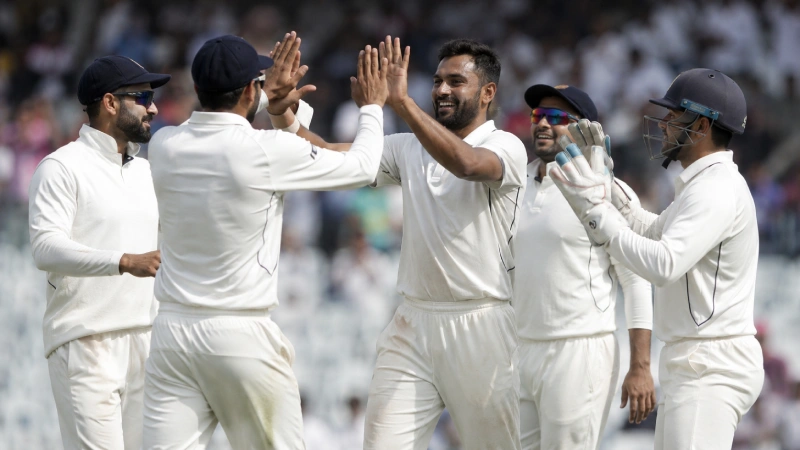
The openers sort of set the tone and build the base. Then the middle order comes in and stabilizes things, so the innings doesn’t get loose. After that the bowlers coordinate and keep tightening the noose, creating pressure in layers. The fielders, they also matter a lot. They stop runs at the worst moments and turn chances into escapes and then into wickets.
And don’t forget substitute fielders and the support crew, because the grind backstage still counts.

Resilience After Failure
Failure shows up in Test cricket, like it’s part of the schedule. Even the great batters can fall into dull form. Some world-class bowlers go quiet and manage no wickets at all.
Captains sometimes misread the situation, make tactical errors that sting. But what really matters is how everyone responds afterwards. Compared with the shorter formats, Test cricket gives you room to recover. If a batter gets out cheaply in the first innings, he might still come back and knock a match‑winning hundred in the second innings.
Strategic Thinking It Kind Of Wins Matches
Test cricket is often compared to a game of chess. Captains carefully place their fielders in the right sort of spots. Bowlers plan for dismissals, a few overs ahead, not just moment by moment. Batters watch how opponents behave, then they pick each stroke.
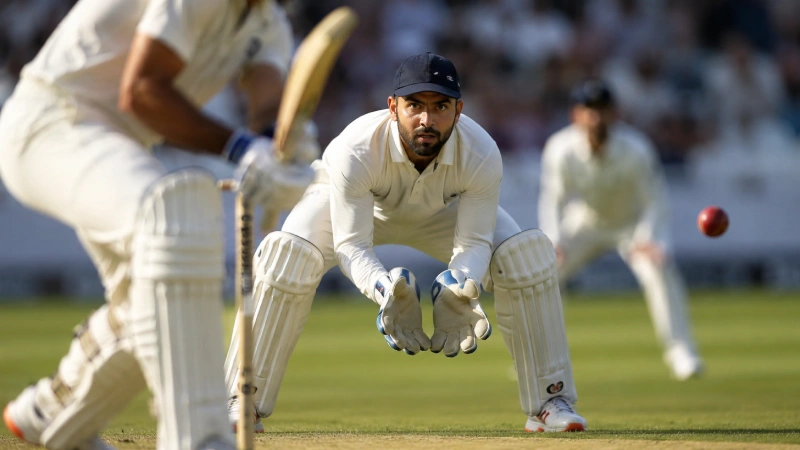
What really works here is long term planning, rather than these impulsive calls. Players learn to weigh the risks, stay calm, and think about a few moves farther than usual. And honestly, those same strategic thinking abilities are also useful in business, academics, leadership, and just everyday decision-making.
Respect for Opponents
One of the most defining traits of Test cricket is sportsmanship. Even with tough rivalry, players often recognize a great spell or a solid innings from the other side. Historic matchups like India vs Australia or England vs Australia create contests that feel intense, yet still grounded in mutual respect.
Players know that taking on strong opponents sharpens them up. That lesson sneaks in like humility, slowly but clearly. Success feels way more meaningful when it’s earned against serious competition, and respect stays important even after the result.
Discipline Builds Excellence
Test cricket rewards disciplined routines, not flashy shortcuts. Batters often let deliveries pass outside off stump, instead of chasing something risky. Bowlers keep landing in the same regions, over long stretches.
Fitness, preparation, and technical skill start to matter, because any small weakness gets uncovered over five days. So yeah, it reinforces this important point. Tiny daily habits create long-term success. Whether you’re practicing an instrument, preparing for exams, or building a career, discipline usually matters more than raw natural talent alone.
Emotional Control
Test cricket kind of constantly tests your feelings. A player might celebrate a wicket one moment, and then face real disappointment the next. Rain interruptions, close calls, missed chances, and those pressure-heavy stretches all mean players need to stay steady. Learning to stay composed during rough moments is also useful in everyday life; it helps people answer with reason instead of snapping too fast.
Leadership Is About Responsibility
Captains in Test cricket have huge responsibility on their shoulders. They have to manage the bowlers, encourage teammates, tweak tactics, and handle major decisions across five exhausting days. Good leadership isn’t really about just giving orders. More like earning trust, backing people up, and keeping your head when the situation turns difficult. And honestly, these leadership habits go well beyond sport into offices, schoolrooms, and neighborhoods too.
Why Test Cricket Still Matters
Some folks say Test cricket feels slow next to shorter formats. But that slower rhythm is, mostly, what makes it special. It values patience over quick satisfaction. Preparation over the quick-and-easy route. Character over flashy show. These qualities stay relevant now, just as they did for previous generations.
Final Thoughts
Test cricket really is more than just a sporting contest; it feels like a lesson in perseverance, teamwork, discipline, and personal growth. Each five-day match kind of keeps reminding us that success usually doesn’t show up, like, on day one. It gets built with steady effort, careful preparation, mutual trust, and a certain grit to carry on, even after the obvious setbacks.
In this fast-moving world, Test cricket sort of forces everyone to slow down, remain centered, and really notice how much hard work matters. Whether you’re a cricket fan or not, the principles it shares patience, resilience, respect, and working together are still timeless qualities. They can help someone succeed on the field too, but also in real life. Maybe that’s why Test cricket is still called the ultimate test, not only of skill but also of character, honestly.