
When you cook at home and time is tight, it gets stressful fast. Chopping takes longer than you expect. Then you also end up with more than one pan to wash. One-pot meals make it easier. Everything goes into one pot, or you add parts in order while the pot stays the same. Instead of cooking each piece alone, you cook them together or add them at the right moment. That means fewer dishes in the sink.
Cleanup is usually much quicker. Still, “easy” does not have to mean “boring.” If you keep serving the same blend of ingredients and seasonings, the meal can start to feel flat. To keep one-pot cooking fun, switch things up. Change what you add, when you add it, and how you finish it at the end. Even small tweaks to texture and seasoning can make a big difference.
Start With Something That Can Hold Taste
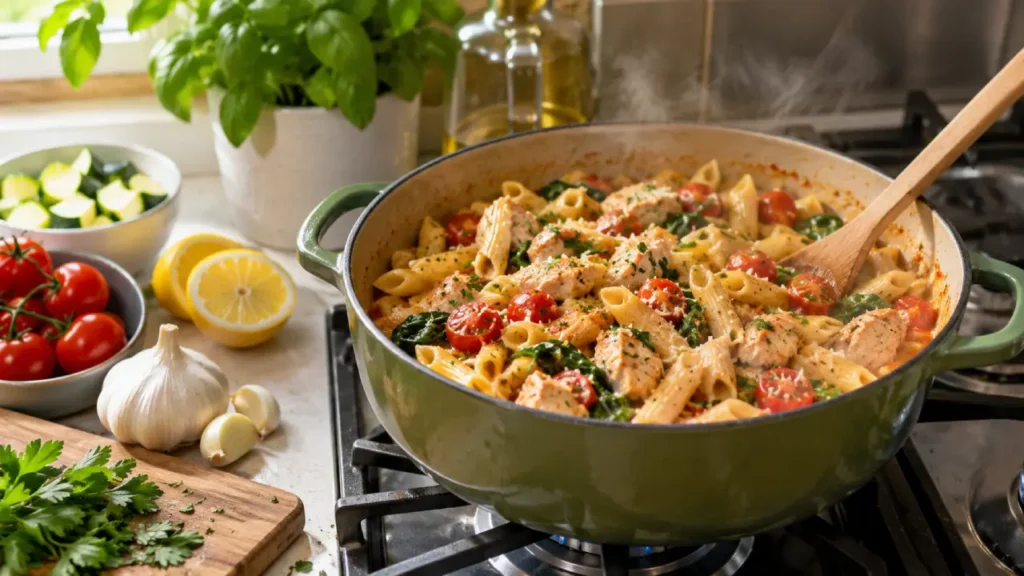
Most one-pot meals do well when they start with a base that takes on flavor. Rice, pasta, noodles, potatoes, lentils, beans, and other grains work for this. They give you a steady base for many mixes. Pasta can also fit many styles. It can be creamy, tomato-forward, packed with vegetables, or made hot and spicy. You do not have to swap the base every single day. If you keep the base but shift the seasonings and add-ons, it can taste new each time.
Make Flavor Early, Not Late
One-pot cooking feels better when you do not just add everything at once. If you spend a few minutes building flavor first, the end result changes. Begin with aromatics like onions, garlic, ginger, spring onions, or chilies. Cook them first. For instance, fry onions with garlic and spices before you add rice and vegetables. That simple step can make a plain rice dish taste more fragrant. In the same way, cook garlic and chili before adding tomatoes and pasta. Then the pasta meal starts with a stronger base.
Add Vegetables for More Color
Vegetables help one-pot meals taste better and feel more filling. They also bring variety without much extra effort. You do not need a fancy plan. Carrots, peas, beans, spinach, mushrooms, bell peppers, corn, broccoli, tomatoes, and zucchini all fit well. You can mix and match based on what you have. If you pick vegetables that are in season, the meals feel less repetitive. Frozen vegetables are another good option.
They are convenient and often go straight to the pot. Keep cooking time in mind. Firmer vegetables usually need a head start. Softer vegetables and leafy greens should wait. This way, the texture stays nicer, and nothing turns into mush.
Include Protein, So It Feels Complete
A one-pot meal can also include protein, depending on what you prefer to eat. Beans, lentils, chickpeas, tofu, eggs, paneer, chicken, fish, or other protein choices can be used.
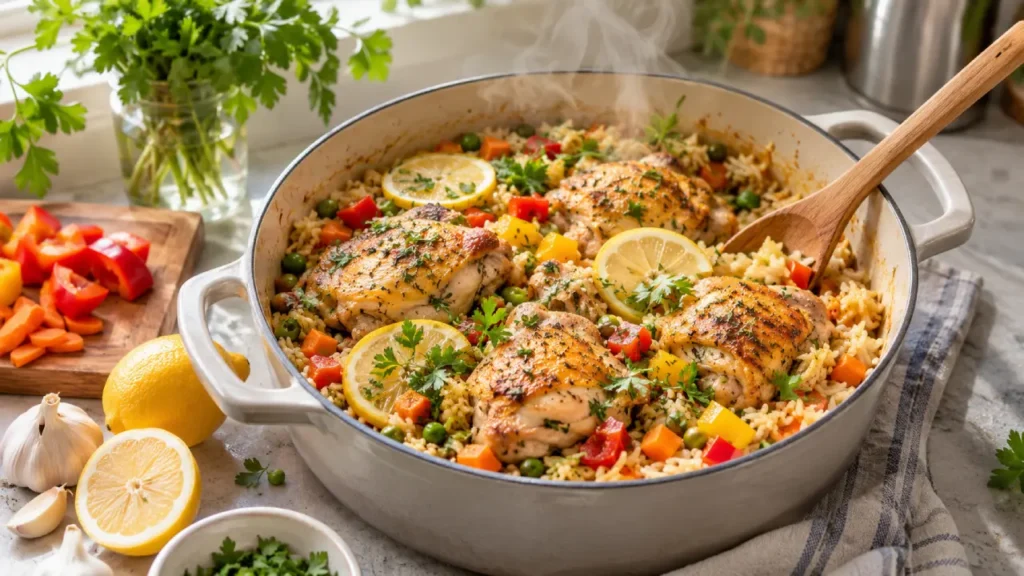
Changing the protein can change the whole feel of the dish. For instance, chickpeas with tomatoes make a filling spiced meal. Chicken works well with rice plus vegetables. Eggs can be added near the end of cooking for a better result. Cooking time matters here too. Ingredients that cook slowly should be added first. Proteins that cook fast should be added later.
Change the Flavor Plan
If you want one-pot meals to stay interesting, try a new taste direction instead of hunting for a new recipe each time. The same rice and vegetables can taste totally different with a few swaps. Use Indian-style spices, and you get one vibe. Use soy sauce with ginger, garlic, and sesame, and you get another.
Add tomato with oregano and basil, plus a little chilli, and the meal leans Mediterranean or Italian. Coconut milk and curry spices can turn it into a creamy curry feel. Lemon, herbs, and garlic can lighten everything up. With this method, a small set of pantry items can still make many outcomes.
Use Sauces, Herbs, and Spices
In one-pot cooking, seasoning matters more than you might think. Everything cooks in the same space, so one ingredient can affect the others. Warm spices help build depth, and fresh herbs can lift the flavor at the end. You can also switch things up with lemon juice, lime juice, vinegar, chili oil, yogurt, pesto, or a quick sauce. Rather than dumping in a big amount of one thing, add layers.
Keep it simple at first, then build. For instance, a tomato dish can finish with fresh coriander or basil. A noodle dish can get sesame seeds, spring onions, chili oil, or a quick squeeze of lime. These last-minute touches take no time, yet they make the meal feel done.
A Quick Way to Plan One-Pot Dinners
If you feel stuck on dinner ideas, try this simple plan:
- Start with a base.
- Add a protein.
- Then include vegetables.
- Use some seasoning.
- Finish with a final add-on.
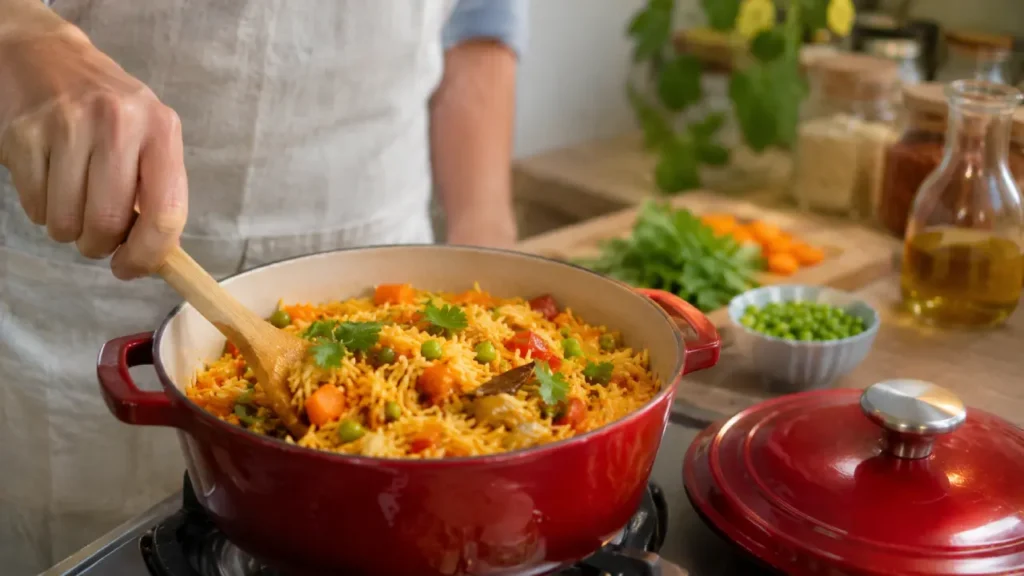
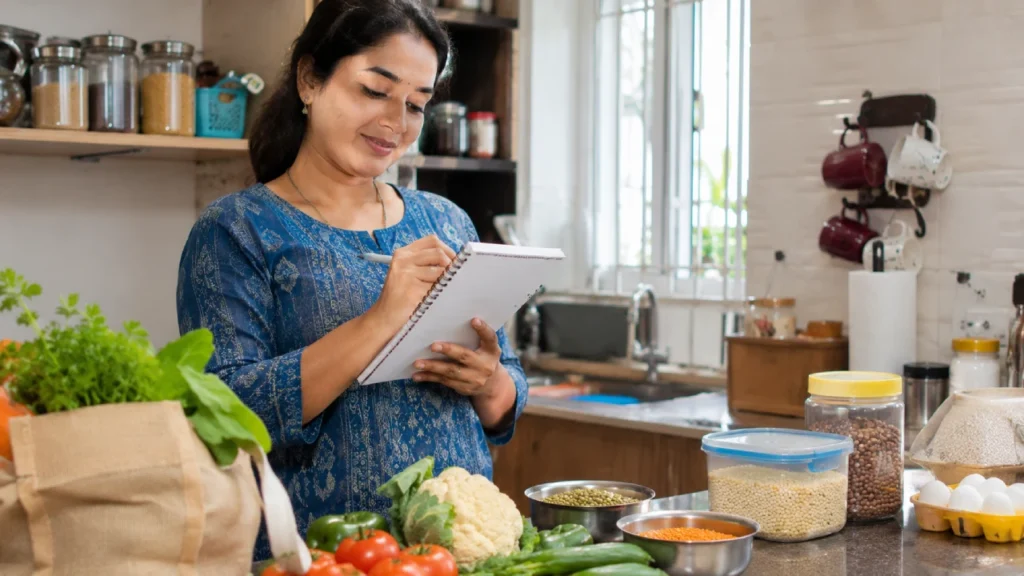
For instance, rice plus chickpeas plus spinach plus spices plus yogurt works well. Or try noodles plus tofu plus mushrooms plus soy, garlic, and ginger, then add spring onions. Swap just one or two parts, and you get a new meal. This also helps when you want to use what you already have at home.
Final Thoughts
One-pot meals matter because they make dinner easier. You do not have to force every dish to taste the same. Treat the pot like a tool you can change, not a plan you have to follow. Try other bases and switch up the proteins. Swap in new vegetables too, and change the seasonings each time. Build the flavor a little at a time, then taste as you go.
Keep an eye on cooking time so nothing turns flat or mushy. When you use a few solid ingredients and tweak the seasoning, one-pot meals can work well on busy days. They also cut down on time and make the mess easier to deal with.