
Sports Build Discipline: Discipline is often linked to tight timetables, long days, and the ability to keep going when your drive fades. Still, some of its clearest lessons can show up in places that do not feel like work at first. One example is sports.
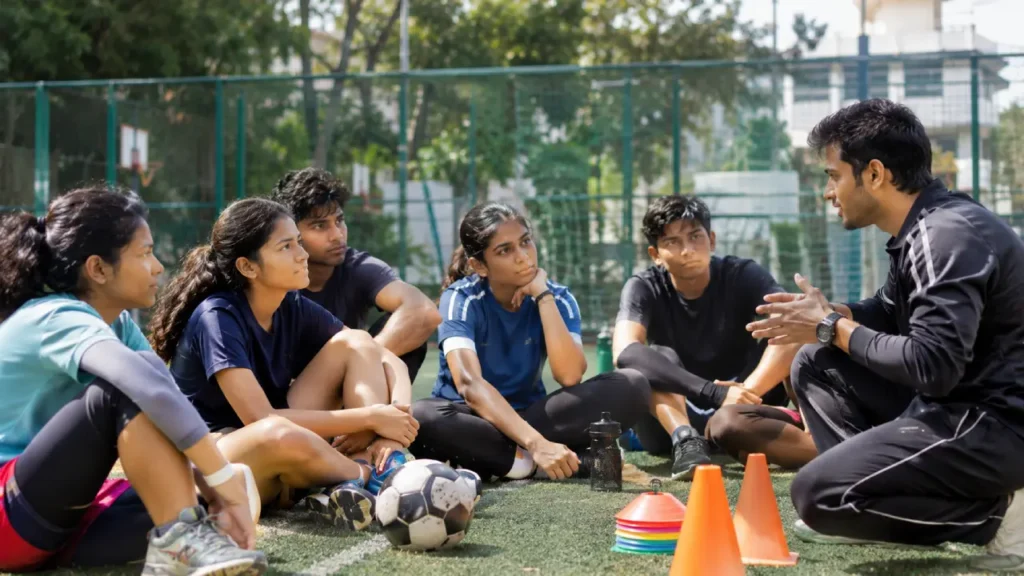
Think about a football practice before classes begin, a badminton game on a Saturday, or regular sessions at a nearby field. Sports ask for steady effort. You learn to show up on time. You repeat drills. You handle mistakes and minor losses. You keep working toward goals that can take weeks or even months. Over time, those habits can spill into daily life beyond the court or pitch.
For students and people with jobs, sports can be more than a break from routine. They can turn into a setting where you practice schedules that stick. You also build patience, take responsibility, and handle stress in a calmer way.
Sports Build Discipline: Sports Help You Learn How to Stay Consistent
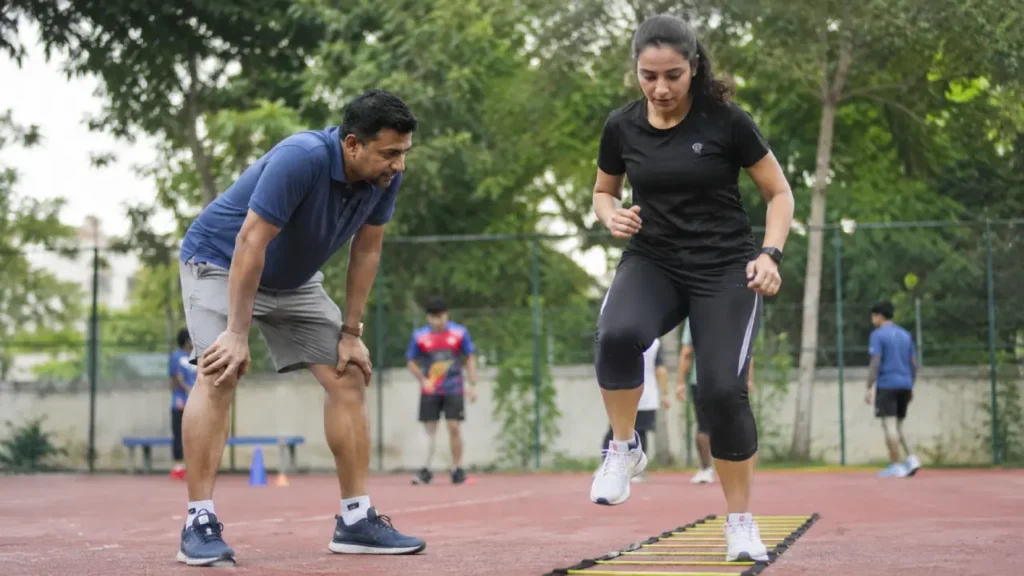
Real progress in sports usually does not come from one practice. Your skills get better as you do the same work again and again. A student who learns cricket might spend many weeks working on foot movement or batting form. A runner may train for a while before endurance visibly improves. The takeaway is simple. Growth often depends on returning to the same task often.
That idea also fits school and career plans. Studying for a test, picking up a new software tool, or refining a job skill may not show results right away. Sports can make this easier to accept, because you can watch your performance shift after regular work.
Training Creates Structure
Sport often brings order to a weekly routine. Practice is usually set at a clear time, and games have dates on the calendar. Before a match, there are also steps to take, like getting ready and keeping up with duties. That means a player must fit school, college, or a job schedule around training.
Over time, this can help someone plan better. If a student knows football starts at 6 p.m., they may finish homework earlier. A worker who swims at night may start moving tasks around so workouts do not get delayed again and again.
This does not mean every day has to feel strict. It can help to have repeat events that make you pay attention to your time.

Sports Teach Goal Setting
Sports make goals feel real and clear. A new participant might start by doing a set number of laps. After that, an experienced player may focus on speed, form, or how they perform in games. Those smaller wins add up and point toward bigger aims.
The same method can work in school. Instead of only thinking about an exam months away, a student can pick weekly steps, like finishing chapters or doing practice problems. People at work can do this too. They can split a larger plan into smaller steps, such as training for a new skill, finishing a course, or improving one part of their job. When you break a big aim into small tasks, progress can feel easier to track.
Showing Up Even When Motivation Is Weak
Motivation does not stay the same. Some days you feel ready. Other days you do not. In training, there are sessions you look forward to and sessions you would rather skip. Real discipline is about choosing to act, even when the feeling is missing. Not every move can wait for a good mood.
This lesson fits more than athletics. It can help students and workers too. A student might have no urge to study after a long day. An employee might struggle to finish a hard assignment when energy is low. A clear routine helps you start, even if motivation drops for a while. Discipline is not about pushing past real exhaustion or training while sick. It is about knowing when to keep your plan and when to rest so you can recover.
Sports Teach You to Accept Setbacks
Missing a shot, losing a game, or coming up short feels bad. Still, sport gives you another chance soon. You train again. You try again. You notice how that changes your mindset.
A player can lose one match and then come back the next day for practice. After a while, setbacks start to feel less like the end and more like a step.
For students, a poor exam grade does not need to decide what happens next. For work, a rejected idea, a failed interview, or a mistake in a project can help you spot what to work on.
Sport does not erase disappointment. It puts people in repeated moments where they learn how to deal with it.
Sports Teach Accountability
In team sports, responsibility is easy to see. If someone shows up late, does not do the prep work, or keeps quiet instead of talking to teammates, the team feels it. Players learn that what one person does can shift the whole outcome.
This same idea shows up in school group work and in workplaces. Deadlines matter more. Clear messages matter more. Getting assigned tasks done matters more when you know others rely on you. Even solo sports have responsibility. A runner who skips training cannot expect the same level as someone who sticks with a plan.
Practice Builds Patience
Big changes in sports usually do not happen fast. Someone might work on one move for many weeks before a clear result shows up. That slow progress helps a person wait and keep going when others expect instant wins. The same idea can help in school too.
Learning a hard math topic or getting better at writing often takes many tries. Over time, effort turns into skill. Work can be similar. A professional may need months or years to sharpen knowledge or reach a set career goal.
Sports show that steady growth still counts. Small gains over time add up.
Rules and How They Work
Sports run on clear rules. Athletes have to learn the limits, the methods, and what leads to penalties. They also see that rules guide the game so competition stays fair. This can carry over outside the field. People may start to respect how systems work in daily life. In school and at work, there are routines to follow.
Deadlines matter, and shared standards matter as well. These habits help a group function as one. Sports also show that rules can feel inconvenient. Discipline means keeping to them even when it is not easy.
Time Use Gets Simpler
Trying to manage sports along with classes or work takes a plan. A student who trains may have to sort out lessons, deadlines, practice, and sleep. A worker may need to work out practice times around travel, calls, and home tasks.
Instead of waiting for “spare time,” sports can push people to block time on purpose. That habit can spread to the rest of a week. When key tasks have set slots, there is less space for needless interruptions.
Learning Comes Through Getting Ready
A game is only a small slice of growth in sport. Most of the work comes before the match. That includes practice, warm-ups, gear checks, plans for tactics, and rest after hard sessions.
Those steps can carry over to daily goals. In school, a person who reviews and makes notes before a test relies less on last-minute cramming.
At work, someone who checks a meeting plan before speaking can handle questions with more calm. Sports also show that strong results often start long before the moment when people can see it.
Team Sports Build Communication
Sports can help people speak and listen when things get tense. During a game, players must ask for the ball, plan plays, follow directions, and react fast when the plan shifts. Over time, this helps them notice how messages shape what a group can do. In school, students can use these habits in class talks, group work, and other campus tasks.
Later, the same habits fit office life, including meetings, shared tasks, and efforts to solve tough problems. Good teamwork is not just about skill. It also depends on clear talk and careful listening, along with a shared set of goals.
Sports Help People Handle Pressure
Games bring moments where results matter and time is tight. A player facing a penalty kick, a runner close to the end, or a team holding a small advantage can feel real stress. Learning to keep attention in those moments can turn into a long-term habit.
Tests, interviews, speeches, and work deadlines can each create pressure in their own way. No sport can promise calm in every hard situation. Still, repeated time in high-stakes settings can offer chances to practise staying focused and steady.
Discipline Should Not Turn Into Burnout
A key lesson from sports is that discipline also means rest. Athletes get time off, eat well, and let their bodies reset. If they train too much without enough recovery, results can slip.
The same idea fits students and workers. Working or studying nonstop does not always lead to better grades or output. True discipline means steady focus plus enough sleep. It also means breaks, recreation, and movement that supports the body. The goal is not to use every free hour for work. It is to keep effort steady without wearing yourself down.
Finding the Right Sport Helps
Not everyone likes the same type of exercise. Some people like solo activities like running, swimming, or cycling. Others prefer team sports such as football, basketball, cricket, or volleyball. Some may choose dance, martial arts, or casual fitness for regular structure.
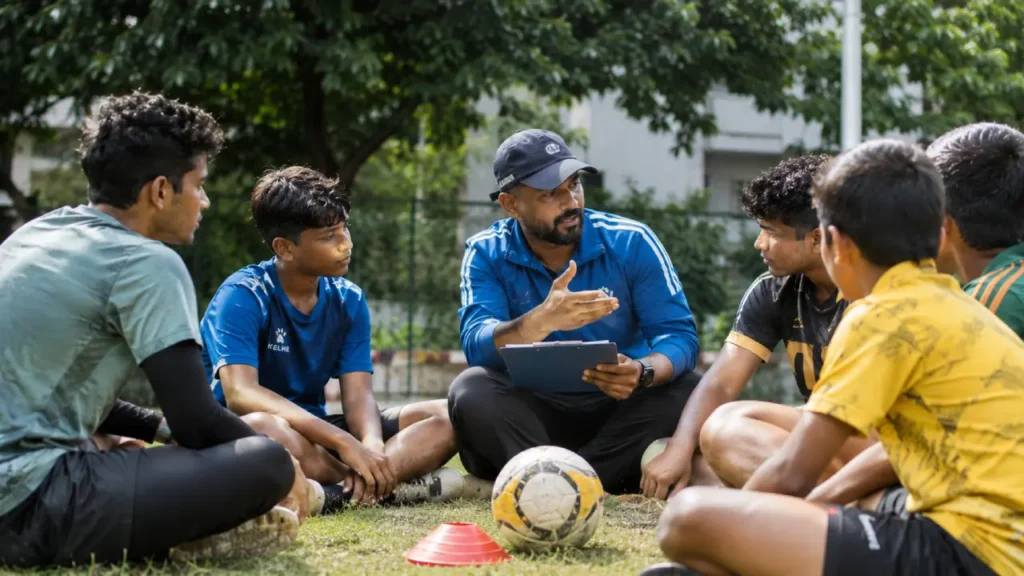
Pick something that matches your interests. It should fit your day and your current physical level. When that lines up, staying consistent feels easier. The best choice is not always the hardest one. A good sport is one you can do safely. It should also be something you can keep doing for a long time.
Final Thoughts
Sports help people build discipline that lasts outside the gym or field. When someone practices often, they learn how to stay steady. Playing against others also helps them deal with losses without falling apart. Being on a team pushes people to be reliable and to talk clearly with others.
These skills can show up in school and work. Students may set routines for studying, plan their days better, and keep going when work gets tough. Employees can also benefit from clear daily habits, better readiness, smoother collaboration, and more patience when results take time.
Discipline is not the same as working nonstop. It does not mean avoiding every setback. It is about making habits that help a person return to their goal again and again. It also includes knowing when to rest and recover. Whether someone plays in matches or just for fun, sport can act as practice for real life. You show up. You work. You learn. Then you try again.