
There is a particular kind of social anxiety that descends when you decide to host a dinner at home. The mental to-do list begins accumulating before you have even sent out a single invitation, with the menu, the table, the flowers, the right glasses, the playlist, the question of whether your dining chairs all match. Social media has made it worse. Scroll through enough curated dinner party content and the impression you get is that a beautiful evening at home requires a florist, a crockery collection and a professional culinary education.
It does not. In 2026, the hosts who consistently throw the most memorable evenings are the ones who have understood the art of hosting, that the point of a dinner party is the dinner and the people, in that order, and that almost everything else is dressing. Here is how to get that dressing right without spending a fortune on it.
The Table: Work With What You Have, Add One Statement Element
The dinner table is the first thing your guests will notice when they sit down, and the most common mistake hosts make is trying to build it from scratch every time. The better approach is the opposite, to work almost entirely with what you already own, and add one considered element that anchors the whole thing.
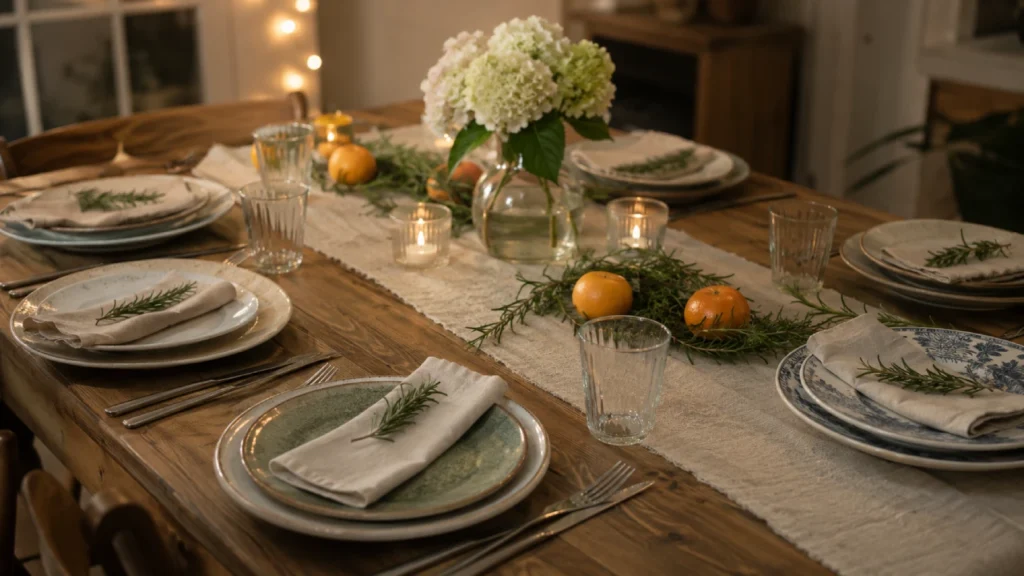
Your existing dinnerware is almost certainly good enough. Mismatched plates, handled with intention, read as curated especially when connected by a consistent colour in the napkins or a unified table runner underneath. If you are buying anything new for the table, a set of simple linen napkins in a neutral tone is the single highest-return purchase in the tableware category. They elevate every place setting they touch, they last for years, and they cost a fraction of what a full replacement crockery set would.
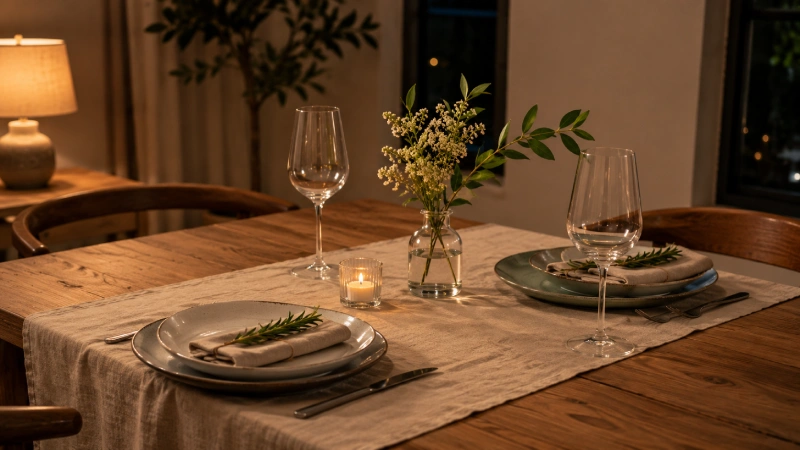
For the centrepiece, 2026’s hosting trends are moving decisively away from elaborate floral arrangements and toward what designers describe as edible tablescaping (herbs, seasonal citrus branches, pomegranates used as place card holders), or a few sprigs of fresh rosemary laid alongside the cutlery. These elements are available from any vegetable market, cost almost nothing, and carry the double advantage of smelling like the meal and reinforcing a sense of seasonality. If you want flowers, a single bunch of one variety in a simple vase consistently outperforms mixed arrangements at a fraction of the cost.
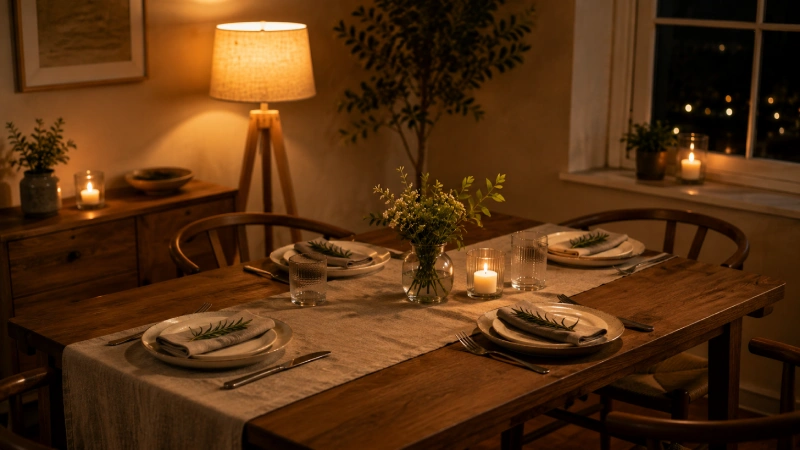
Cordless table lamps and small lanterns are becoming a defining feature of well-styled dinner tables in 2026, drawing directly from restaurant design principles. A small glass lantern with a tea light at each end of the table, combined with a single low central element, creates a visual warmth that no amount of expensive crockery can replicate. Keep the table surface uncluttered, breathing room between elements makes a modest table look considered.
The Menu: One Hero Dish, Two Sides, One Good Dessert
Menu planning is where home hosts most consistently overspend and overcomplicate, usually under the impression that a dinner party requires a minimum of five courses and at least two dishes they have never actually made before. It does not.
The formula that experienced hosts return to, regardless of cuisine or guest count, is simple. One hero dish that can be largely prepared ahead, two sides that complement it without requiring simultaneous active cooking, and one dessert that holds well and does not need last-minute assembly. A slow-braised chicken in a tomato and herb sauce, served with roasted vegetables and warm bread. A baked pasta that goes into the oven an hour before guests sit down. A well-spiced dal makhani with jeera rice and a kachumber salad. The specific dish matters, so cook what you know from good ingredients, and finish most of it before your guests arrive.
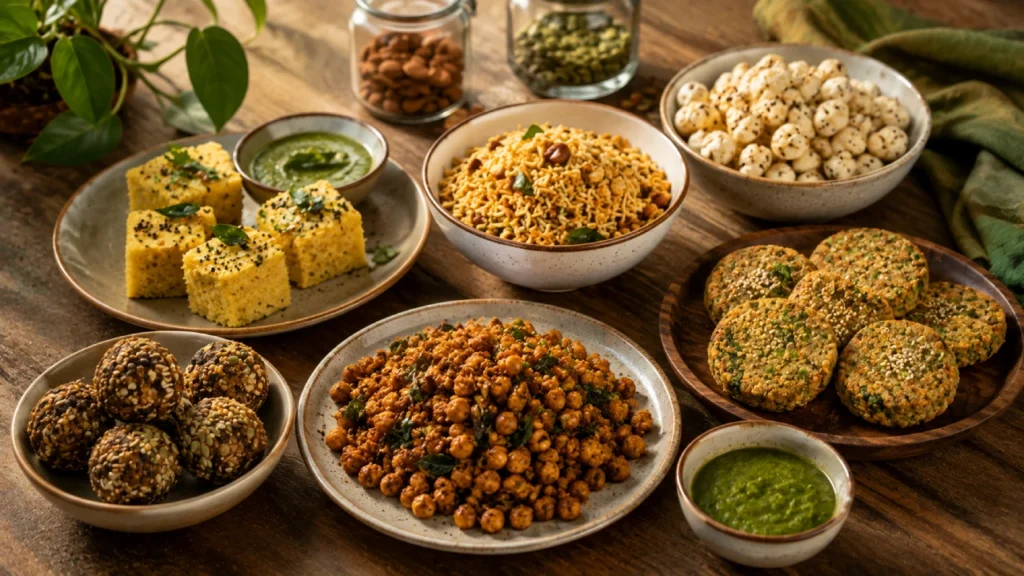
Seasonal produce is the most practical tool in a budget-conscious host’s kitchen. Local vegetables in season cost a fraction of out-of-season imports, taste considerably better, and require far less augmentation to shine on a plate. Planning your menu around what is good at the market this week is how professional cooks approach home cooking, and it works.
For drinks, a signature welcome drink does more for the atmosphere than a full bar setup. A single, simple option (a batch of nimbu paani with fresh mint and chaat masala, a chilled iced tea, or a sparkling water with citrus and herbs) gives guests something to hold when they arrive and signals that thought has gone into the evening without requiring the investment of a stocked bar. Have one good wine or beer option for those who want it, and keep everything else minimal.
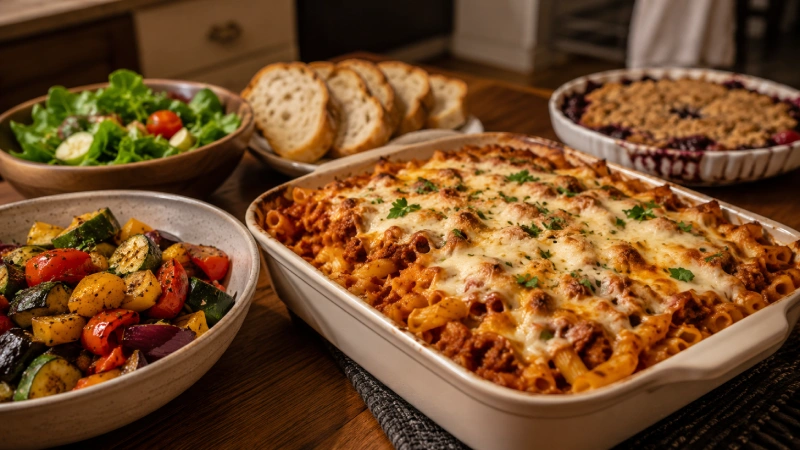
The one rule worth following regardless of the menu, ie, to make at least one component the day before. Be it marinated proteins, slow-cooked curries, baked desserts or prepped salad dressings (anything that can wait in the refrigerator overnight removes pressure from the day of the party and lets you be a host rather than a cook when your guests arrive).
Art Of Hosting: The Atmosphere Is the Experience
If there is a single principle that separates memorable home dinners from forgettable ones, it is that the atmosphere does more work than food. Guests will remember how the evening felt (warm, easy, unhurried), long after they have forgotten what they ate. Lighting and music are the two tools that most directly shape that feeling, and both are available at almost zero cost.
On lighting, the principle is universal and non-negotiable. Turn off the overhead light. Harsh white overhead lighting (what interior designers increasingly call “the big light“), is the single most common hosting mistake, and it works against every other effort you make in the room. Replace it, for the duration of the evening, with a combination of floor lamps, table lamps, and candles. Warm-toned bulbs (around 2700K) in any lamp you have create the amber quality that makes rooms feel like places you want to linger. Two or three pillar candles on the dining table, supplemented by a lamp in the corner, is enough to transform the temperature of the entire space.
For a cleaner burn with no dripping wax to worry about, beeswax or soy candles are worth the marginal extra cost. A lightly scented candle near the entrance (nothing heavy, just a warm woody or citrus note) creates a sensory welcome before guests have even registered the table.
On music, the goal is a playlist that guests can feel. The volume should sit at the level where two people can speak in normal voices without raising them. Genre-wise, instrumental jazz, acoustic covers of recognizable songs, classic soul or curated lo-fi sets are the most reliable choices for dinner parties because they carry emotional warmth without lyrical content that pulls focus.
One approach that has been gaining traction among frequent hosts is the collaborative playlist, ie, sharing a playlist link with guests before they arrive and inviting them to add one or two songs. Chef and entrepreneur Camilla Marcus, who has written about this approach, notes that “it’s fun to see people perk up when their song comes“, an effortless touch that makes the evening feel collective.
Simple Hosting Etiquette: Warmth Over Formality
Modern hosting etiquette has shifted significantly in tone over the past decade, and 2026’s approach is almost entirely about warmth. The rules that remain are practical.
Ask about dietary restrictions before you plan the menu, a casual message to guests a few days ahead (“anything you’re avoiding these days?“) signals genuine care and prevents awkward moments at the table. Have a welcome drink ready before guests sit down. Even a jug of water with lemon and mint on the table gives people something to reach for in the first few minutes, which smooths the transition from arrival to conversation.
Set the table completely before your first guest arrives. This is more about the signal it sends, a set table with napkins and a centrepiece, communicates that thought went into the evening before anyone walked through the door. As one etiquette guide notes, “even a casually set dinner table with nice napkins and a few fresh flowers signals care.“
On the question of receiving gifts (guests who bring wine, flowers or chocolates), do not expect them to be immediately deployed. A warm acknowledgment and a natural place for the item is enough. Do not feel obligated to open every bottle brought to the table or to rearrange the centrepiece for someone else’s flowers.
The etiquette principle that matters most, and that no amount of styled tablescaping can substitute for, is being present. A host who is relaxed and genuinely in the room, not disappearing into the kitchen every twenty minutes or visibly managing the logistics of the evening, sets the emotional tone for the entire table. Cook what can be finished ahead. Sit down on time. Let the conversation run where it wants to go.
What to Watch Next
The dinner party revival of 2025–2026 is a cultural correction away from restaurant dependency and social media performance, and toward something older and more personal (such as opening your home, cooking food you know how to cook and letting the people around your table do the rest).
The hosts who pull this off most consistently are the ones who have made peace with the idea that a dinner party is an evening to be shared. Get the lighting right, cook the thing you do well, put on a playlist nobody has to think about, and be glad when your guests arrive. That is the full brief, and it costs almost nothing to follow it.