

Gut health is becoming one of the biggest conversations in modern wellness.
For years, health advice often focused on calorie counting, strict diets, intense workouts, expensive supplements, and quick body transformations. But many people are now moving toward something simpler and more sustainable: taking better care of digestion.
This shift makes sense.
Daily life has become fast, stressful, and irregular. Many people skip meals, eat too much processed food, drink less water than they need, sleep late, and spend long hours sitting at desks or looking at screens. Over time, these habits can affect digestion, energy, comfort, and overall wellbeing.
That is why gut health is getting more attention.
It is not about following a perfect diet. It is about building steady habits that help the body feel more comfortable every day.
Fiber-rich foods, fermented foods, hydration, and simple home-cooked meals are becoming the foundation of gut-friendly living.
What Is Gut Health?
Gut health refers to how well the digestive system works and how balanced the gut environment is.
The gut helps break down food, absorb nutrients, support regular bowel movements, and interact with the immune system. It is also home to trillions of microorganisms, often called the gut microbiome.
A healthy gut does not mean never having bloating, acidity, or discomfort. Everyone experiences digestive changes sometimes. But when daily food habits, hydration, sleep, and stress levels are better balanced, digestion usually feels smoother and more stable.
Gut health is not a trend that needs expensive products.
It begins with ordinary habits repeated consistently.
Why Gut Health Is Getting So Much Attention
Many people are paying closer attention to gut health because digestive discomfort has become common in modern life.
Busy work schedules, late-night studying, irregular meals, long commutes, frequent snacking, packaged foods, stress, and lack of sleep can all affect how the body feels after eating.
Some people experience:
- Bloating
- Acidity
- Constipation
- Irregular digestion
- Heaviness after meals
- Low energy
- Discomfort after certain foods
- Poor appetite during stress
These issues can happen to students, working professionals, homemakers, parents, entrepreneurs, freelancers, and older adults.
This is why people are becoming more interested in daily food habits instead of only quick fixes. A gut-friendly lifestyle feels practical because it does not always require complicated diets. It often begins with simple choices: more fiber, more water, more home-cooked food, and fewer heavily processed meals.
Fiber Is the Foundation of Gut-Friendly Eating
Fiber is one of the most important nutrients for digestion.
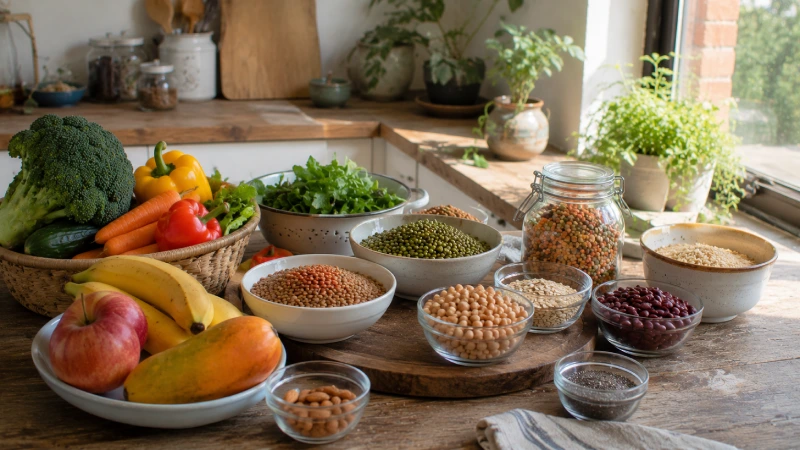
It is found in plant-based foods such as fruits, vegetables, legumes, whole grains, nuts, and seeds. Fiber helps support regular bowel movements and also helps people feel full for longer.
In simple terms, fiber helps food move more smoothly through the digestive system.
It also feeds helpful gut bacteria, which is why fiber-rich foods are now getting more attention in wellness conversations.
Good fiber-rich foods include:
- Lentils
- Beans
- Chickpeas
- Vegetables
- Fruits
- Oats
- Whole grains
- Millets
- Brown rice
- Whole wheat
- Nuts and seeds
- Sprouts
For Indian meals, fiber can come naturally from dal, sabzi, sprouts, vegetable khichdi, millet dishes, whole wheat roti, beans, seasonal fruits, and salads.
You do not need to change your entire diet overnight. Even small changes can help, such as adding one extra vegetable to lunch, choosing fruit instead of packaged snacks, or including dal more regularly.
The best approach is gradual.
Adding too much fiber too quickly may cause gas or bloating for some people. Increase fiber slowly and drink enough water along with it.
Fermented Foods Are Returning to Everyday Wellness
Fermented foods are also becoming popular in gut-health conversations.
Fermentation is a traditional food process where natural microorganisms help transform food. Some fermented foods may contain beneficial live microbes, especially when they are not heat-treated after fermentation.
Globally, fermented foods include yogurt, kefir, kimchi, sauerkraut, miso, tempeh, and kombucha.
In Indian homes, fermented and cultured foods have existed for generations. Common examples include:
- Curd
- Chaas or buttermilk
- Idli batter
- Dosa batter
- Kanji
- Fermented rice dishes
- Homemade pickles
- Dhokla
- Appam
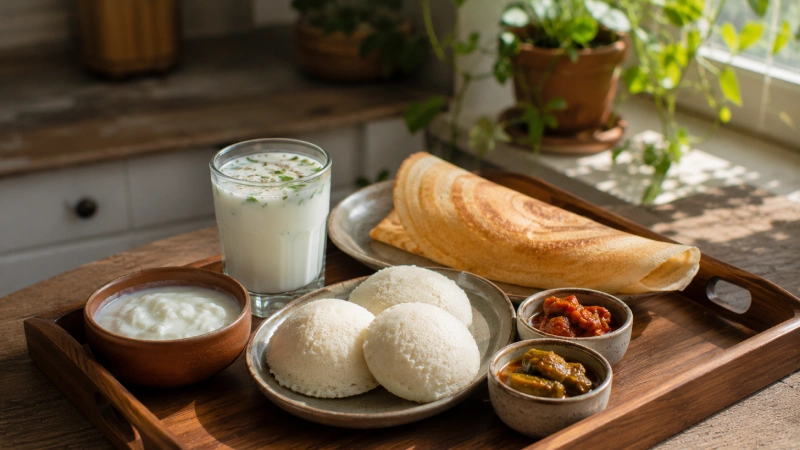
Curd and chaas are among the easiest and most budget-friendly options in many Indian households. Idli and dosa are also familiar foods that use fermentation in preparation.
The reason fermented foods are getting renewed attention is simple: they fit naturally into everyday meals.
They do not require extreme dieting or expensive imported products. They are already part of many food cultures around the world.
However, not every fermented food works the same way. Some pickles, breads, or packaged fermented products may not contain live microbes if they have been heated, preserved heavily, or pasteurized. So it is better to treat fermented foods as one helpful part of the diet, not a cure-all.
Hydration Matters More Than People Realize
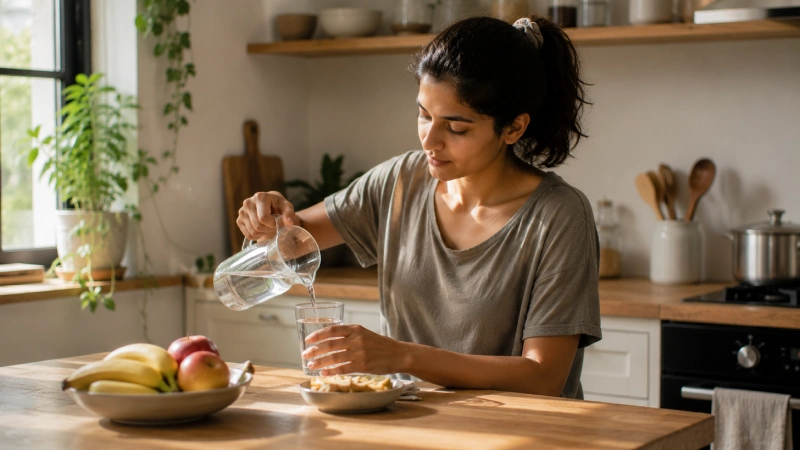
Hydration is often ignored in gut-health conversations, but it plays an important role in everyday digestion.
When people are busy, they may drink more tea, coffee, or sugary beverages and forget plain water. Long work hours, travel, hot weather, exercise, and irregular routines can also reduce water intake.
Not drinking enough fluids may make digestion feel slower or uncomfortable for some people.
Simple hydration habits include:
- Drinking water regularly through the day
- Starting the morning with water
- Keeping a bottle near your desk or bed
- Eating water-rich fruits and vegetables
- Choosing coconut water occasionally
- Having soups or light broths
- Reducing excess sugary drinks
- Drinking more water when increasing fiber
Traditional Indian habits like chaas with lunch, lemon water in warm weather, or warm water after meals can also fit into a gentle gut-friendly routine.
Hydration does not need to be complicated. The goal is to drink consistently, not all at once.
Simple Indian Meals Are Becoming Wellness Foods Again
One of the best parts of the gut-health movement is the return of simple home-cooked meals.
For years, wellness culture often focused on imported superfoods, restrictive diets, and complicated meal plans. But many people are now realizing that balanced everyday meals can be more realistic and sustainable.
Simple Indian meals can naturally include fiber, fluids, cooked vegetables, lentils, rice, curd, spices, and fermented foods.
Gut-friendly Indian meal ideas include:
- Khichdi with vegetables
- Curd rice
- Dal with rice or roti
- Vegetable dalia
- Lightly cooked sabzi with roti
- Idli with sambar
- Dosa with chutney and sambar
- Poha with vegetables
- Upma with vegetables
- Sprouts salad
- Vegetable soup
- Rice, dal, sabzi, and curd
- Millet khichdi
- Moong dal chilla
These meals are not fancy, but they are practical.
They are often affordable, familiar, filling, and easier to maintain than strict diet trends. For many families, gut-friendly living may simply mean returning to balanced home meals more often and reducing dependence on packaged or fried foods.
Spices Can Support Comfort When Used Mindfully
Indian cooking uses many spices that make food flavorful and satisfying.
Spices like cumin, fennel, ginger, turmeric, ajwain, coriander, and mint are often used traditionally in meals and drinks. Many people find them comforting in daily food routines.
For example:
- Cumin can be used in dal, sabzi, or soups
- Ginger can be added to tea, curries, or light meals
- Fennel is often used after meals in many homes
- Ajwain is commonly used in parathas or digestive home remedies
- Mint can be added to chutneys, drinks, or salads
However, spices should be used in a balanced way. Too much spice, oil, or chili can trigger acidity or discomfort for some people.
Gut-friendly eating is not about making food bland.
It is about finding what feels good for your body.
Gut Health and Emotional Wellbeing
Gut health is also being discussed more because digestion and emotional wellbeing are closely connected.
Stress, anxiety, poor sleep, overworking, and irregular routines can affect appetite and digestion. Many people notice acidity, bloating, stomach discomfort, or changed eating patterns during stressful periods.
This is one reason wellness experts now talk about the body as a connected system.
Eating on time, sleeping better, drinking enough water, and reducing stress may all support better digestive comfort.
For working professionals, this may mean not skipping lunch during busy meetings.
For students, it may mean reducing late-night junk food during exam season.
For homemakers and caregivers, it may mean taking time to eat properly instead of only focusing on everyone else’s meals.
For entrepreneurs and freelancers, it may mean creating a steadier meal routine even when work hours are unpredictable.
Small habits matter more than dramatic changes.
What to Reduce for Better Gut Comfort
Gut-friendly living is not only about adding good foods. It is also about reducing habits that may make digestion feel uncomfortable.
It may help to limit:
- Too much fried food
- Excess sugary drinks
- Frequent packaged snacks
- Very late heavy meals
- Overeating at night
- Too much caffeine
- Skipping meals often
- Eating too quickly
- Drinking too little water
- Too many ultra-processed foods
This does not mean you can never enjoy treats.
It simply means daily habits should support your body most of the time.
Balance is more realistic than restriction.
A Simple Gut-Friendly Plate
A gut-friendly plate does not need to be complicated.
A balanced everyday plate can include:
- One portion of vegetables
- One portion of dal, beans, curd, eggs, fish, chicken, paneer, tofu, or another protein
- One portion of rice, roti, millet, oats, or another grain
- A small fermented food such as curd or chaas if it suits you
- Water or another unsweetened drink
For Indian meals, this could look like dal, rice, sabzi, curd, and salad. It could also be idli with sambar, vegetable khichdi with curd, or roti with dal and vegetables.
The idea is not perfect.
The idea is balance.
Gut Health Does Not Need Expensive Supplements
One of the reasons gut health resonates with modern wellness is that it can be approached in simple, affordable ways.
Many people assume they need probiotic supplements, expensive powders, imported health foods, or strict meal plans. But for most healthy people, the first step is usually improving daily food habits.
A gut-friendly lifestyle can begin with:
- Eating more fiber-rich foods
- Drinking enough water
- Including fermented foods that suit you
- Eating at regular times
- Reducing processed foods
- Sleeping better
- Managing stress
- Cooking at home more often
Supplements may be useful for some people in specific situations, but they are not always necessary for everyone. Anyone with chronic digestive issues, severe acidity, persistent bloating, unexplained weight loss, blood in stool, ongoing diarrhea, or major food intolerance should speak with a qualified healthcare professional.
Gut-Friendly Living for Different Lifestyles
Gut-friendly habits can work for different people in different ways.
For working professionals, the focus may be regular meals, less packaged snacking, more water, and lighter dinners.
For students, it may mean adding fruit, curd, homemade snacks, and simple meals during exam stress.
For homemakers, it may mean eating on time and not skipping meals while managing family routines.
For entrepreneurs and freelancers, it may mean setting meal reminders and avoiding endless caffeine.
For older adults, it may mean gentle, fiber-rich meals, hydration, and foods that suit their digestion.
For families, it may mean bringing back simple home-cooked meals that everyone can enjoy.
Gut health should fit real life.
It should not feel like a punishment.
Final Thoughts
Gut health is becoming the center of modern wellness because it affects how daily life feels.
Digestion, energy, comfort, appetite, sleep, immunity, and emotional wellbeing are all connected to the routines people follow every day. In a fast-moving world full of stress, irregular meals, and processed foods, many people are returning to simple habits that support the body from within.
Fiber-rich foods, fermented foods, hydration, and balanced home-cooked meals are not old-fashioned. They are practical, affordable, and sustainable.
For many Indian households, gut-friendly living may already be close to home: dal, rice, sabzi, curd, chaas, khichdi, idli, dosa, fruits, vegetables, and enough water.
Modern wellness does not always need to be complicated.
Sometimes, it begins with eating simply, drinking enough water, and listening to your body.