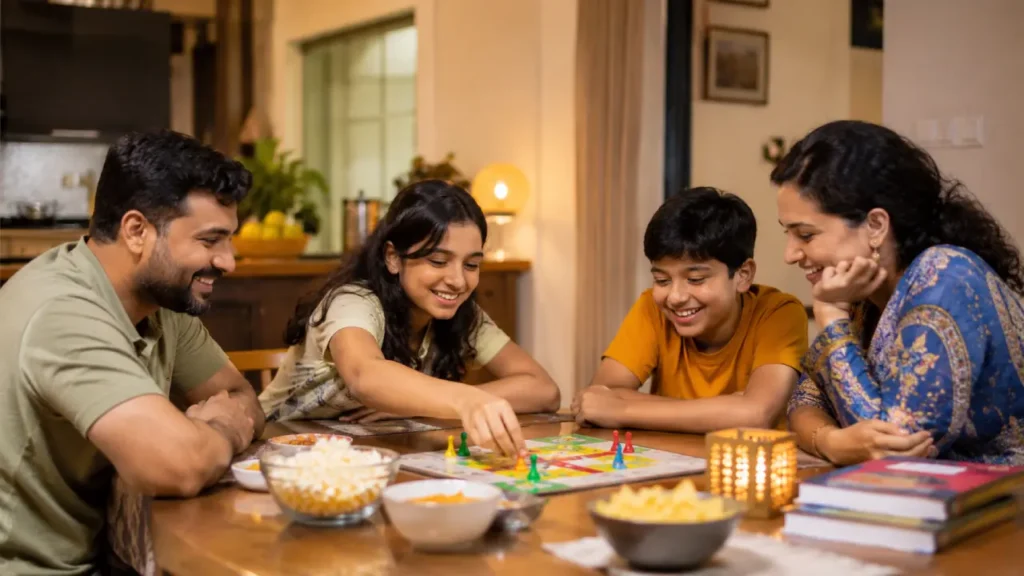

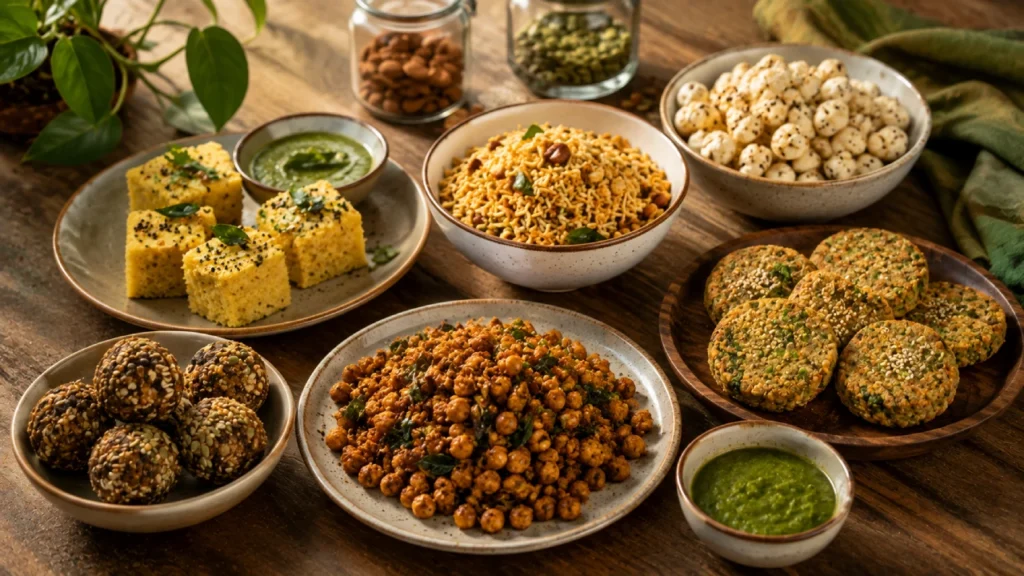
Dinner does not have to be just the last thing you do before you start your evening rush. For many families, it is one of the rare times when you can sit down together and actually talk. Still, phones and screens can creep into the moment. Then the meal turns into several separate focus points instead of one shared one.
A screen-free dinner does not need to feel harsh or “from another time.” If you keep the food simple, set up a calm space, and do a little prep ahead, the meal can turn into a routine people enjoy. It feels easy, not forced.
The goal is not to cook something fancy. The point is to make room for conversation and for everyone to be together while eating.
Family Dinner Ideas: Pick Food That Everyone Can Reach
Family dinners feel smoother when the food sits in the middle of the table. That way, people can take what they want without waiting for plates.
For example, you can make a pot of dal, set out rice, serve rotis, add vegetables, and include a salad plus raita. This can turn into a simple Indian-style meal. If you prefer, you can also put out a large bowl of pasta, baked vegetables, or a basic casserole and let each person choose a portion.

When the dishes are shared, small moments happen more often. Someone asks for the salad to be passed over. Another person offers an extra roti. You might even hear a quick debate about which dish tastes best. The meal does not need to be complex to feel like a good evening.
Begin With Meals People Can Pass Around
Family dinners tend to go better when dishes sit in the middle, not on individual plates. You can set out a pot of dal, a bowl of rice, rotis, vegetables, salad, and raita. This makes a relaxed Indian meal where everyone helps themselves. If you prefer something else, cook a big pot of pasta, bake some vegetables, or make a plain casserole. Then let each person take what they want.
When food is shared, small moments happen more often. Someone asks for the salad to be passed. Another person gets an extra roti. People also talk about which dish tastes best. The food does not need to be fancy. It can still feel like a special night.

Dal, Rice, and Sabzi
A mix of dal, rice, and vegetables is still one of the easiest dinners for a family. Moong dal cooks faster than many other dals. You can pair it with simple veg like aloo beans, bhindi, mixed vegetables, or cabbage.
Add salad with cucumber, carrot, or tomato. Add curd too. The table then feels balanced without long hours of work.For kids, familiar foods can help them settle into dinner time when screens are off. They are not forced to try a new dish and a new routine at the same time.
Khichdi for a One-Pot Night
Khichdi works well on nights when everyone is worn out. Cook rice, dal, and vegetables together with mild spices. You get a filling meal from one pot. Serve it with curd, papad, and pickle.
Want a twist? Add carrots, peas, beans, or spinach. This is not only about flavor. Fewer dishes also means less mess to clean after dinner. With that extra time, the family can sit together and talk.
Simple Pasta Dinner
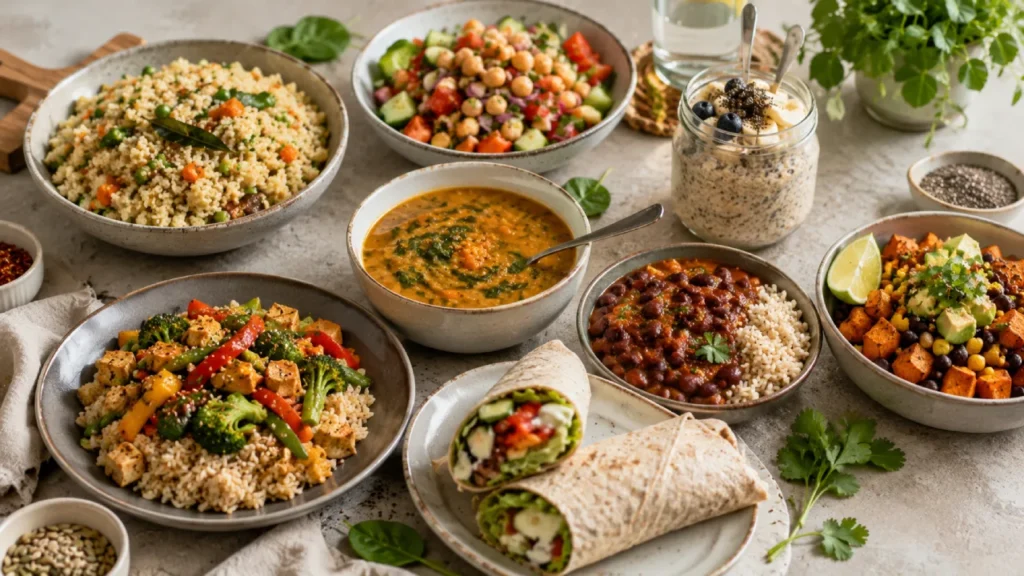
Pasta is often a quick choice for busy nights, especially when the same meal works for everyone. You can keep it plain: a tomato sauce plus vegetables. Add paneer or chicken if you want more protein. Serve it with a basic salad. Garlic bread can be added if you like it.
If you want it lighter, load up the pot with vegetables. Mushrooms, bell peppers, broccoli, spinach and corn all fit well.You do not need a fancy setup. Put a big bowl of pasta in the middle of the table and let people help themselves. That can be enough.
Dosa and Chutney Evening
Dosas can feel like a change of pace without much stress. Crisp dosas work well with sambar and coconut chutney. You can also add a simple veggie filling.
If you do not want to make batter and cook everything from scratch, use ready batter.
It saves time on weekdays. For kids, make smaller dosas. They can be cut or shaped in a way that feels fun.Eating with hands can make the meal feel casual. Pass the chutney around.
Share sambar at the table.
Build-Your-Own Chaat Night
On weekends, a chaat spread can be a simple dinner that also feels like an event.Use separate bowls for each part. Boiled potatoes, chickpeas, chopped onions, tomatoes and coriander are good options. Add yoghurt, chutneys and spices too.
Let each person build their own plate. This helps because tastes can be different. One person might want more yoghurt. Another might choose extra chutney. Someone else may want the spices kept mild. The table becomes the focus of the night.
Comfort Food With a Healthier Mix
Dinner time does not have to mean strict eating.
You can still enjoy food that feels familiar and warm.
Aim for a mix of carbs, protein, vegetables, and good fats.
Rajma rice can go with cucumber salad and curd.
Paneer bhurji works with rotis and some sautéed vegetables.
Grilled chicken can be paired with rice, dal, and salad.
You are not trying to stuff everyone.
You just want meals that feel good and keep the mood calm.
Let Kids Join the Meal
Give children small tasks that match their age. They ca n put napkins on the table. They can set spoons out. They can wash vegetables with you close by. Older kids may help mix a salad. When kids help, dinner feels shared.
It does not feel like it is only for them. It also gives more chances to talk. Skip the usual question about school. Try asking what made them laugh today. Ask what they want to eat next week.
Keep the Screen Rule Easy
To make screen-free dinners last, keep it simple.
Phones can stay on the table. Or keep them out of the dining area. The TV should stay off while you eat. This matters even more with younger children.
If adults follow the same plan, it feels fair. A screen-free meal works best as a family habit. It should not feel like a tough rule placed on kids. If someone needs to take a call, make a clear exception. Then you do not turn the whole dinner into a fight about devices.
Make The Meal Setup Feel Calmer
A screen-free dinner does not need fancy stuff.
Just use a clean surface and real napkins.
If you want, put a small flower jar on the table.
Or light one simple candle near the center.
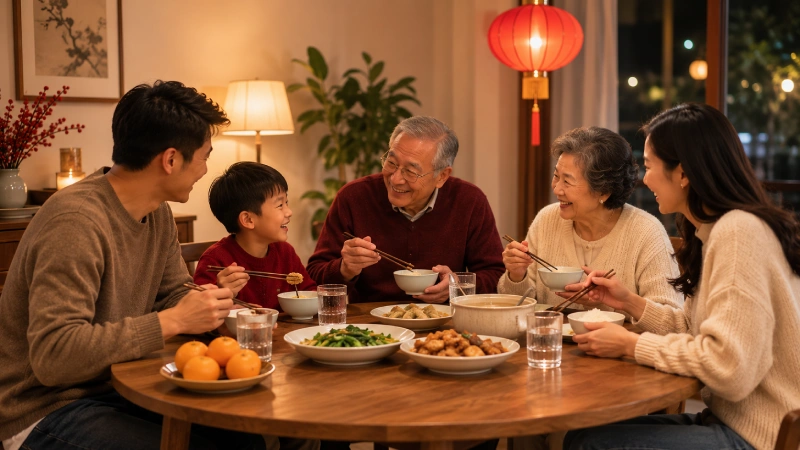
Even a regular Tuesday can feel different with that. A lamp in the room can also soften the mood. The idea is not to act like a restaurant.
It is more like reminding everyone that dinner is a pause. You can change where items sit from time to time. That tiny shift can make the food seem fresh again.
Let Conversation Take Over
Once screens are gone, it may feel odd at first.
This can happen if your family usually eats with the TV on. Start with a few easy questions that do not feel forced. Each person can tell one good thing from the day. It can be small, or a surprise that happened. Little kids may like games and silly ideas.
For instance, what power would they pick? Or where would they go if they could leave tomorrow. Older kids and adults may want simpler chat. They can talk about books, shows, food, or travel. They can also say what is on their mind. You do not need to turn every meal into a deep talk. Regular, everyday talk still helps. It matters.
Use A Theme For The Week
Screen-free dinners can stay fun with a weekly theme. Pick one focus night each week. Tuesday could be Indian comfort food. Serve dal, rice, and a few vegetable sides. Friday can be homemade pizza. Let each person choose toppings for their own piece. Saturday might be dosa or chaat. Do not feel stuck with one plan forever. Just keep the theme as something the family can look forward to.
Keep Weeknight Meals Grounded
A common reason family dinners fall apart is the idea that every night must be more than it can be.
After work, school, and chores pile up, a fancy three-course plan can feel too heavy. Dinner without screens is meant to slow things down, not add another task. Use what you already have.
Extra vegetables from earlier can turn into wraps.
Day-old dal can work as a starter for something new. Pre-cut vegetables save time when everyone is tired. A pressure cooker or air fryer can also cut the effort for some dishes. Dinner can be easy, and that is fine.
Make Space for Small Traditions
Over time, little habits can become the best part of dinner. One person might always fill the water. Someone else might pick the music. Kids may take turns choosing dessert. These small steps help regular nights feel steady. You do not need a spotless dining room or big production to make real memories. Sometimes the best stories come from silly moments. A spill of dal. A playful argument over the last bite of dessert. A chat that has nothing to do with dinner at all.
End With Something Plain
Dessert does not have to be complicated. Try fresh fruit, or yogurt with honey. Rice pudding can be a warm finish. A small square of dark chocolate works too. Even a cup of warm milk can feel comforting. If your family likes cooking together, fruit bowls or homemade popsicles can be a weekend treat now and then. The goal is not excess. It is one last excuse to stay seated for a few more minutes.
Conclusion
You do not need a strict plan for a screen-free dinner. Start small. Put the phones aside. Turn off the TV. Sit together at the table. Any comfort food can work. The main point is the room you make for the meal and for each other.
For busy parents, carers at home, students, and kids, dinner can be a quiet break. A couple of shared dishes helps. Talking without interruptions helps more. Games on a device may keep people busy, but they do not do the same job.
When so much of daily life moves through screens, a shared plate at a shared table can be an easy way to reconnect.