
Bowl meals help because you build one plate with multiple parts. You still cook in a simple way, and each piece stays easy to manage. Korean-style bowls work well because they can use rice or another grain, plus vegetables and protein, all with a sauce that brings it together.
You do not need to follow famous Korean recipes exactly. It helps to use the flavors you already know from Korean food, then pair them with ingredients you have at home. You can change the dish as you like. Begin with everyday Korean tastes, and then trade in pantry items that are easy to get.
Pick a basic base first
Rice is a simple choice for a bowl. Use steamed white rice, brown rice, multigrain rice, or another grain you like. This keeps the meal filling. Then the rest of the bowl can bring protein, veggies, taste, and crunch. If you are short on time, use rice you already cooked. Cook a batch earlier, cool it, and store it in the fridge.
You can pull it out on another night and skip the extra work. You can also skip rice. Try quinoa, noodles, or roasted sweet potato instead. With Korean-style seasonings, the bowl still feels right.
Choose one protein
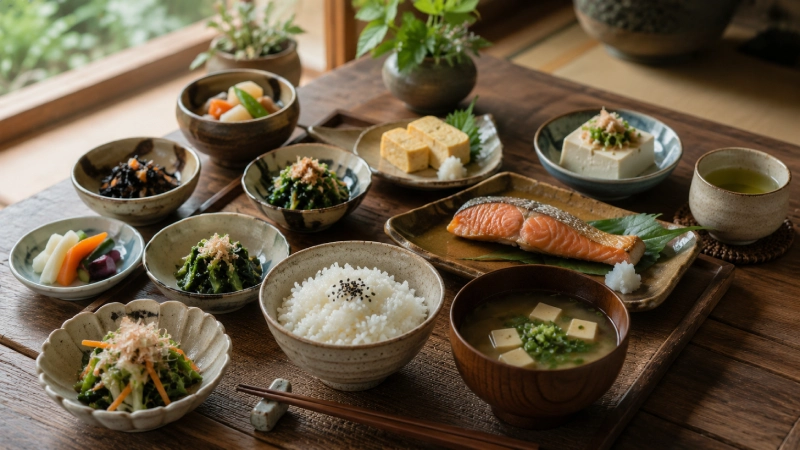
Protein makes the bowl more filling. Pick what fits your diet. Chicken, eggs, tofu, fish, lean meat, edamame, lentils, and beans all work. Tofu is useful when you want a vegetarian bowl since it takes on sauce and seasoning well. For an easy chicken bowl, cook chicken pieces with garlic, ginger, soy sauce, and a little gochujang. If you prefer tofu, pan-sear it, then finish it with a similar mix. Eggs are also fast. Add a fried egg or a soft-boiled egg onto a bowl of rice and vegetables when you do not have time for a longer cook.
Keep it simple
You do not need to use every ingredient. One protein plus a few vegetables and a good sauce is usually enough. Chicken, eggs, tofu, fish, lean meat, edamame, lentils, and beans fit into bowl meals in different ways. Tofu often works well for meals without meat because it soaks up sauce and spices. If you want a fast chicken bowl, cook chicken pieces with garlic, ginger, soy sauce, and just a little gochujang. Tofu can be cooked in a pan too, then seasoned with a similar mix.
Add More Vegetables
Vegetables bring color and crunch. They also help the bowl feel full, so it does not depend only on rice or one protein. Spinach, carrots, cucumber, mushrooms, cabbage, bean sprouts, broccoli, bell peppers, zucchini, and radishes all match well in Korean-style bowl ideas.
You can mix hot and raw items in the same bowl. Cook some things, keep others fresh. That way you get more than one texture. For instance, warm sautéed mushrooms and spinach pair well with cool cucumber and shredded carrots.
Korean-inspired taste starts with the flavor mix.
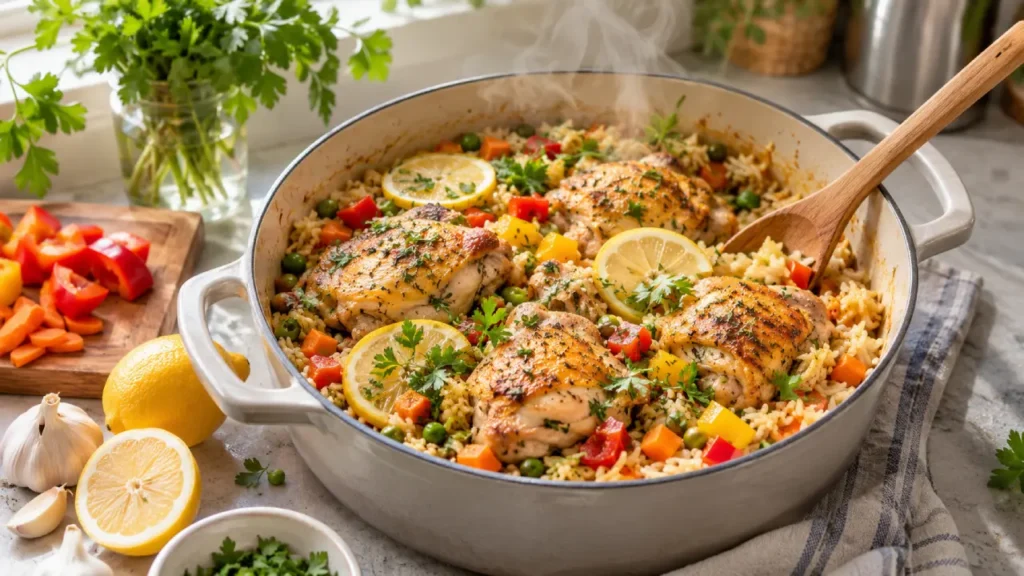
Sesame oil gives a warm, nutty smell. For the base, add garlic and ginger. A little rice vinegar, or any mild acid, can lift the flavor. To make an easy sauce, stir gochujang with soy sauce and sesame oil. Add minced garlic, then splash in a bit of water so it coats well. Use it on vegetables, tofu, chicken, or even on rice itself.
You can change how spicy it is. If you want a gentle bowl, use less gochujang. If you like it hot, mix in more chili flakes or add a spicy sauce.
Take cues from bibimbap.
Bibimbap can help you build a quick weeknight bowl. It shows how rice, vegetables, protein, and seasoning can work together. You do not have to copy every classic part. Start with rice. Add several vegetables on top. Then add a fried egg or another protein. Finish it with a sauce made with gochujang.
You can use whatever vegetables you have at hand. Also, keep items separate instead of mixing right away. This helps each part keep its own texture. It also makes the bowl look nicer.
Kimchi should not be skipped
Kimchi works well in a Korean-style bowl. It is fermented, sour, and a bit hot, so it stands out next to plain rice and mild protein. You can add a small portion to the bowl instead of mixing it into everything while cooking. That said, kimchi is not all the same. The mix of ingredients and the salt level can change a lot. If you watch your diet closely, read the label. This matters especially for anyone who needs to limit sodium.
Get ready for weeknights with less stress
Bowl meals help because you can plan parts ahead. Cook rice earlier, rinse and chop vegetables, and stir a sauce, then keep it in the fridge. Protein can be cooked in a batch too, based on what you have. When the day gets busy, you only put the bowl together. You do not start from scratch.
A basic routine can be simple. Make one type of rice. Cook one protein, or a few protein options. Prep a handful of vegetables. Mix one sauce. Then use those parts in different ways during the week. This cuts down on cook time and also on the daily pressure of figuring out what to eat.
Final Thoughts
Korean-style bowls can help on hectic weeknights. They also keep dinner from feeling the same each day. A simple setup works well. Start with rice or another grain. Add a protein. Include vegetables. Finish with a sauce that has real flavor. What makes this approach great is how easy it is to change. If you have leftover rice, you can use it again in a new way. Try it with a different protein, or switch up the vegetables. You can also change the sauce, and it will feel like a fresh meal. For flavor, go with gochujang, sesame, garlic, ginger, or soy sauce. You can get a strong taste without tricky cooking steps.