
There is an extremely joyous element in the season of festivities. Streets become brighter, homes become busier, music rings in the air, and all the amazing delicacies start tasting even better when shared. Just for a little time away from the ordinary course of day-to-day life, life becomes brighter and more colorful.
Festivals are celebrated differently across the country of India and also in the entire world. But all of the festivals seem to have a few elements in common — lots of music, dancing and food. These elements can turn a simple gathering into a heartfelt celebration, whilst fostering a community experience.
Festivals are the time people celebrate their humanness. People sing songs together, children and even the elders dance their hearts out, and everyone sits down together to enjoy dishes their community has cherished for decades.
Happiness is not evoked from singular acts of liveliness; it comes from doing all the colorful things together and forming a shared experience. That is the reason why festivals feel like shared happiness — they serve as a chance for people to connect, pay respects to their traditions, as well as create new memories with their loved ones.
Music As Shared Language
Music is a crucial element of festivals that bring people together. Henry Wadsworth Longfellow captures its importance through the quote, “Music is the universal language of mankind.” It emphasizes how a song does not require people to share the same spoken language or belong to the same familial background.
Everyone can simply join in their own way — some clap to the beat, move their feet, smile, or break out into all the dance moves they know. Festival music itself is of various types: traditional, religious, regional, or modern. It may involve musical instruments like drums, folk instruments, piano, performance by a local band, etc.
The most beautiful creation of music is the seamless manner in which it creates a shared atmosphere. A crowd singing the same song evokes a sense of being part of something larger than themselves. For a moment, everyone feels connected with a thread, and all individual worries seem to melt away.
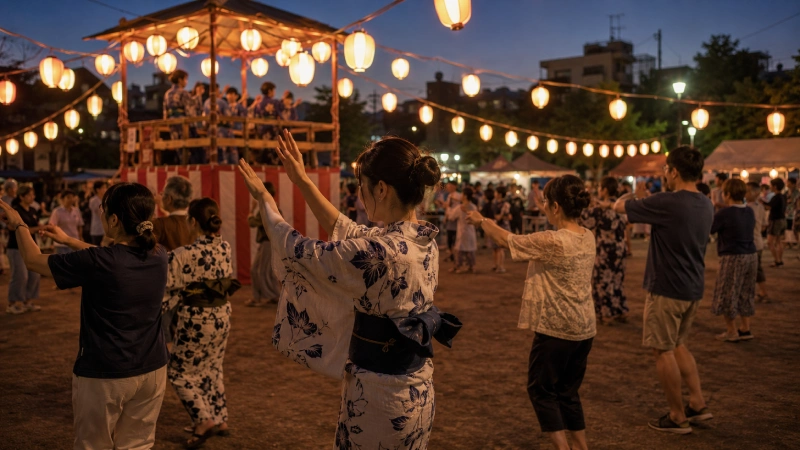
Music is also a carrier for our past memories. A song may remind someone of their childhood, family members, old memories, a nd it may feel like they are transported back to a time years ago. Thus, festival music is not just background entertainment but also a connection between the past and the present.

Dance Transforms Spectators and Encourages Them To Be Participants
Dance adds a whole different kind of energy to any festival. While music is the element of festivities that can bring a crowd together emotionally, dance has the capacity to do so physically.
Festival dances are not so much about acing a choreography, as they are about enjoying being in the moment. People form groups within the crowd and tend to perform simple steps while getting fully engrossed in the moment. Others follow traditional steps or simply move along with the beat of the music.
The importance of dance in festivals is increasingly visible in folk cultures and across the continent. Different communities have their own dance forms, styles and costumes but the purpose often remains celebrating communally.
Festival dances are a little different from the dance performances we usually witness at functions or on television. This is because nobody requires the skill to participate, and the atmosphere is so inviting that regular people feel drawn to participate in their own way. Therefore, the experience is much different to participating simply as an audience member or witness of a performance.
Heritage Dishes Reinforce Cultural Identity
While the music agivesancingsensets ohomelinessl build up its atmosphere, the food served during them give it a se,nse of homeli,ness. In several instances, the culinary exchange during festivals acts as a tool for inviting people from other cultures to witness cultural appreciation by both parties.
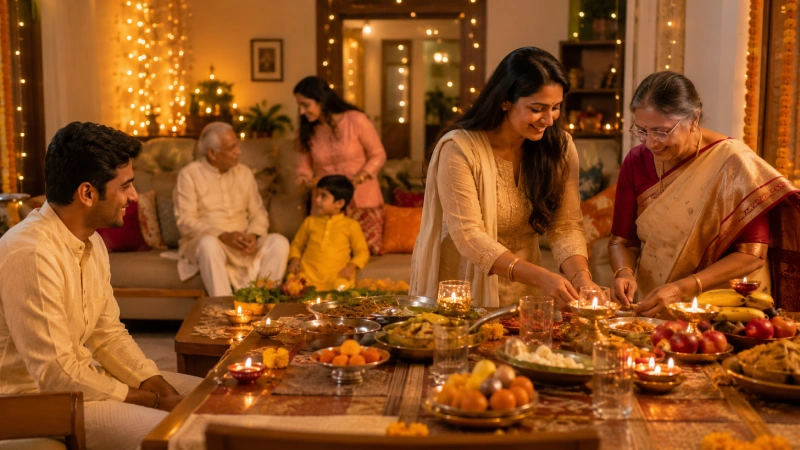
The food served at festivals is often connected to family traditions. Almost every culture has some specific dishes prepared during the festival season. These foods may be prepared only a few times during the year, making it even more meaningful.
Families and relatives may spend hours in the kitchen preparing a feast for the entire celebration. Kids may witness how certain regional dishes are prepared such as sweets or a recipe passed down by the older members of the family.
The food itself becomes a marker of the memories created during this time. Later on, smelling or consuming such dishes can bring back intense feelings of nostalgia or a connection to their lineage or familial roots.
During festivals, people gather together to sit and enjoy the meal unlike the manner in which they consume food on a regular basis. In a society where people are becoming more individualistic than ever, this small gesture serves as an important symbol of belonging and togetherness.
Hence, sharing a plate of snacks or passing arou,nd dishes across the table while catching up with guests one does not get to see frequently makes festivals reinforce communal and cultural bonds.
Sharing Multiplies The Happiness
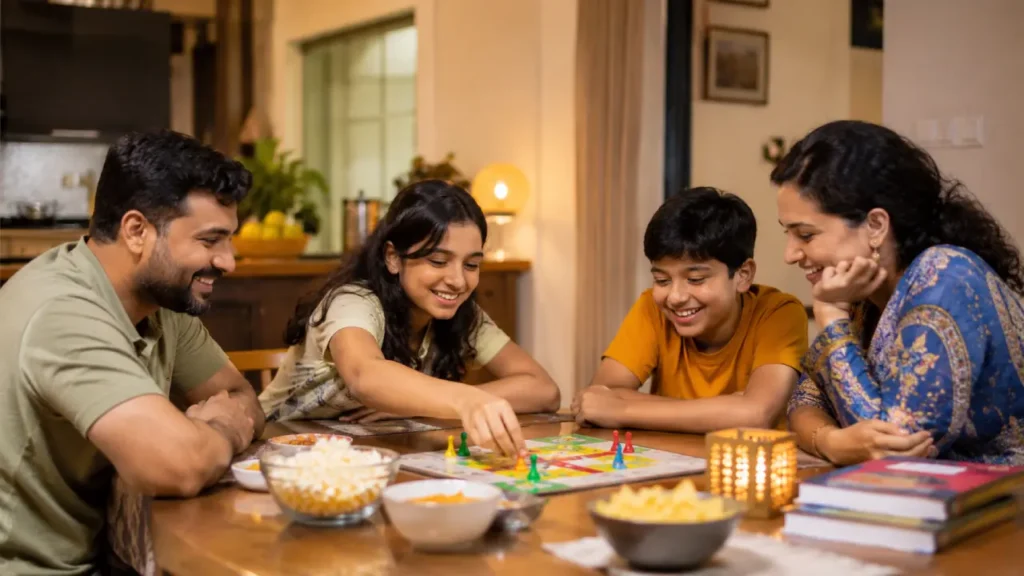
Sharing is the very foundation of any festival. Dance, music, food, and even the happiness experienced are rarely kept private. People invite their friends, relatives and neighbours ,over to their houses or location of celebration. Local communities spare resources to organize events. Children get together for an opportunity to socialize and play together. Strangers demonstrate politeness and send well wishes for the festival.
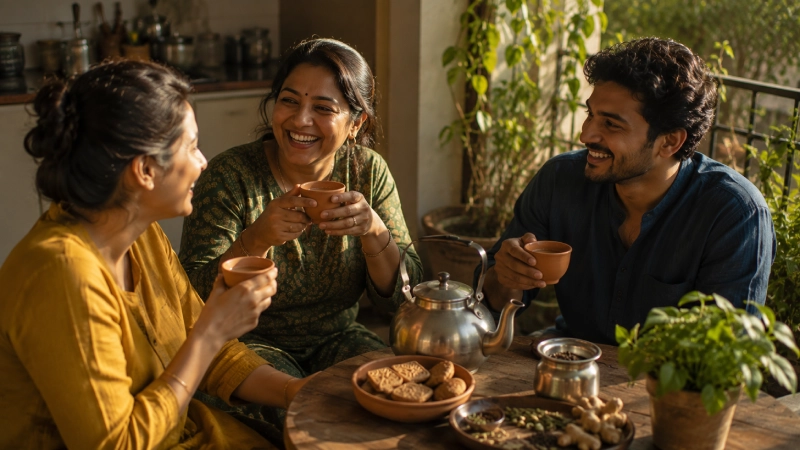
Through small acts of neighborly sharing, such as offering a plate of sweets or sending people food, a person can show care; spending time or getting an invitation to join a gathering can make a person feel like they belong and are thought about by loved ones.
People of all ages come together for this opportunity to reconnect. Since most of us stay busy with hectic work schedre-organizeallows for family members living away from their place of birth to briefly retorganize. People we may barely be able to talk to can now socialize with them for a conversation to catch up. These seemingly ordinary moments create a lasting impact on ppeople’s emotions
Conclusion
Music, dance, and food do make celebrations really enjoyable; it’s the sense,nse of togetherness that it cultivates. Music allows people to share a common rhythm, dance allows people to physically participate in a shared activity, and food allows them to sit together at the same table and connect tneighborsneage.
Together, such experiences create a bond between families, friends, neighbours, even strangers. It exposes individuals to all the different cultures that people belong to and how they enjoy their festivals. In a world where people are segregated by busy schedules and different lifestyles, festivals serve as an important reminder that happiness multiplies only when it is shared.