
Food Movies: On-screen, food is never only food. A shared meal can show how people are tied to each other. A recipe can hold memories and keep moving through time. Even a simple kitchen can let old traditions stay alive, even when life changes. In many film worlds, meals are used to speak about home, being part of a place, travel, and family.
Some movies put a dish right in the middle of the plot. Others let meals happen in the background. Markets and cooking show up as part of daily life. In both cases, cuisine stays tied to identity. You can see this from small Japanese homes, to Indian festival tables, to Italian dinners, to Chinese American spots that feel like both here and there. These films give you an easy path into culture through stories you can taste.
Food Movies: Food On Film As A Memory
Food scenes land well because they connect to the past. One plate can pull someone back to childhood. It can also bring back a family house or a one-time event that mattered.
Ratatouille treats cooking as a way to try new ideas and shape a sense of self. The Taste of Things keeps the focus on the food and on the long work behind an involved meal. Cooking itself becomes a story. The ingredients matter. The method matters too. Then the eating matters most. Small choices and shared time can show feelings without anyone having to say them out loud.
That is why these scenes stick. People might not name every ingredient or tool in the frame. Still, they feel what is going on. They sense care, effort, and the push to make something for someone else.
Indian Cinema: Meals, Kin, and Daily Moments
Food sits close to the center of many Indian films. Dinners and snacks often show up with family get-togethers, holiday days, guest welcomes, and local customs. In The Lunchbox, a meal turns into a link between two strangers. The box is not only for lunch. It holds habit, worry, and feeling, even when the lives on each side are not the same.

English Vinglish also leans on food.
The lead can make ladoos, and that ability starts to matter to her beyond what she does at home. Her story pushes her to find her own strength, not just her place in the household. Across many movies, you see meals where they naturally belong. A morning table, a wedding spread, a street cart, or a family home kitchen can set the scene. They also hint at how people of different ages relate to each other.

Japanese Cinema: Home Life and Being Together
Japanese films often depict daily family life in a calm way, including meals and cooking.
Sweet Bean centers on dorayaki and uses the process of making food to talk about being alone, finding friends, and holding on to dignity. Making the red bean paste with care shows patience. It also shows respect for the work itself.
Our Little Sister shows a similar tone. Cooking with others and eating together become part of how the family stays close. The kitchen blends into everyday routines, almost like a quiet member of the household. In these stories, food is not always shown as fancy. Plain dishes can still carry weight when they tie back to routine, remembered moments, and shared company.
Italian Movies And The Cozy Joy Of Eating Together
Italian food culture is linked with slow meals, family recipes, and the idea that sharing food matters. Because of that, the dining table feels like a good place for a scene.
Some films handle food in their own way. The Big Feast treats meals as a full event. Eat Pray Love uses food as part of a personal search. Even so, both titles show that food can be tied to comfort and to learning about yourself.
In many Italian stories, cooking is not a lone job. People work side by side. Someone rolls the pasta. Someone tears the bread. Then the meal keeps going while people talk, pause, and talk again. The day seems to stretch out a bit.
What draws people in is the mood. A meal becomes a time for family or friends to speak freely. They argue, they smile, and they come back to each other.
Chinese Food Stories And Family Life
Meals sit at the center of many Chinese family tales. This is true in stories about families in China and in stories about the Chinese diaspora.
Ang Lee’s Eat Drink Man Woman uses Sunday dinners to pull everyone into the same room. The father cooks for his daughters. Over time, the way the family relates to food shifts. Those shifts also point to changes inside the home.
In the movie, cooking acts like a kind of message. Some people cannot say what they mean right away. Still, what they do in the kitchen tells the story. Their feelings show up at the table, even when words fail.
The Joy Luck Club looks at Chinese-American life in a similar way. It focuses on identity, ties between generations, and what gets passed down. Family recipes and food habits help mothers and daughters stay close. At the same time, these shared traditions can reveal how their lives do not match.
Taken together, these works suggest that food can link older and younger people. This is most clear when families are dealing with more than one culture at once.
Korean Cinema: Meals, Rituals, and Bonds
Korean movies and shows have introduced many international viewers to Korean food. Still, meals mean more than looks on a screen. In family stories, a table can show ranks and closeness at the same time. People share food from the middle of the table. That choice supports togetherness. But there is also tension. A meal can lead to arguments as easily as it can lead to warmth.
Cooking as a team can feel personal. It can help people slow down and talk. It can also turn ordinary days into small events.
Some films choose a quieter tone. Little Forest focuses on a young woman who comes back to rural life. Cooking and eating fit into that pace. It is not rushed. Seasonal items, home meals, and recipes she already knows keep her tied to where she came from. They also link her to the year outside her door. What stands out is simple. The film treats food like a part of living, not just a thing made for pretty shots.
Mexican Stories: When Food Holds Roots
Mexican films also connect food to family life and cultural identity. Like Water for Chocolate is one well-known example. In that story, recipes and cooking mix into family habits. They also carry strong feelings. Expectations from one generation to the next shape what happens. Food does not act as food alone. It brings memories. It shows what people feel and what they have lived through.
Other Mexican stories often show kitchens and parties as places of transfer. Traditions get passed along there. Skills and knowledge can stay alive through a recipe. This matters when families change location. It matters when generations grow up in different places. That is why food becomes central in many films tied to identity. A recipe can move with a family. Even if a house is gone, the dish can still keep a connection.
French Films and Cooking as a Shared Craft
Many French movies treat food as more than background. They show it as work done by hand, warmth given to guests, and joy in eating together.
The Taste of Things stands out in a clear way.
It spends time cooking on screen. You watch prep unfold, not just the final plate. Vegetables get chopped with care. Sauces are stirred and kept steady. Plates come together in an orderly, calm rhythm.
The film also makes one idea feel real.
Cooking can be a kind of care.
Making food for another person asks for focus, time, and a real sense of what they like.
This way of looking at meals is a good nudge.
Food traditions are not only lists of steps.
They rely on skill, waiting, and the ties that form while you cook and sit down to eat.
A Theme That Moves Through Families
Across food stories in cinema, age is a frequent thread. Grandparents may pass down old dishes to kids. Parents might stick to what feels familiar, while younger people try new tastes. Families who move to another place may adjust recipes so they can cook with what is on hand.
These moments can point to bigger issues. A dish can last for years because someone keeps making it. Still, recipes do not stay frozen. People swap ingredients, change how they cook, and bring in outside influences. Film can show that shift without forcing a fight between old and new. Both can sit side by side at the same table.
Food And The Life On The Sidewalk
You do not need to keep every food tale in a home kitchen. Markets, small cafés, restaurants, and street stalls can show the spirit of a place.
They also track how people share food ideas through travel, commerce, and routine talk.
Watch a busy stall long enough, and you can spot local goods and local habits. Look at a market crowd, and you can see links between the people who grow food, the people who sell it, and the people who buy it. These scenes also widen what some call “cultural film.” Culture is not only in old sites or in formal rites. You can find it in what a household puts on the table. You can see it when neighbors share a meal. You can notice it when a group plans food for a festivity.
Why The Stories Hit Close To Home
Good food and family films do not ask the viewer to match the characters’ background. A person may watch a Japanese household cook a meal and still feel at ease. They might not name every dish, but the dinner moment still feels real.
You may not have grown up with Italian pasta, yet you can still grasp the calm of cooking together.
The emotions feel familiar. That is a strong tool on screen. It can also push people to look closer.
After a film ends, someone may want to try a dish, ask about a cooking method, or learn about a holiday they just saw.
Making A Movie Night Feel Personal
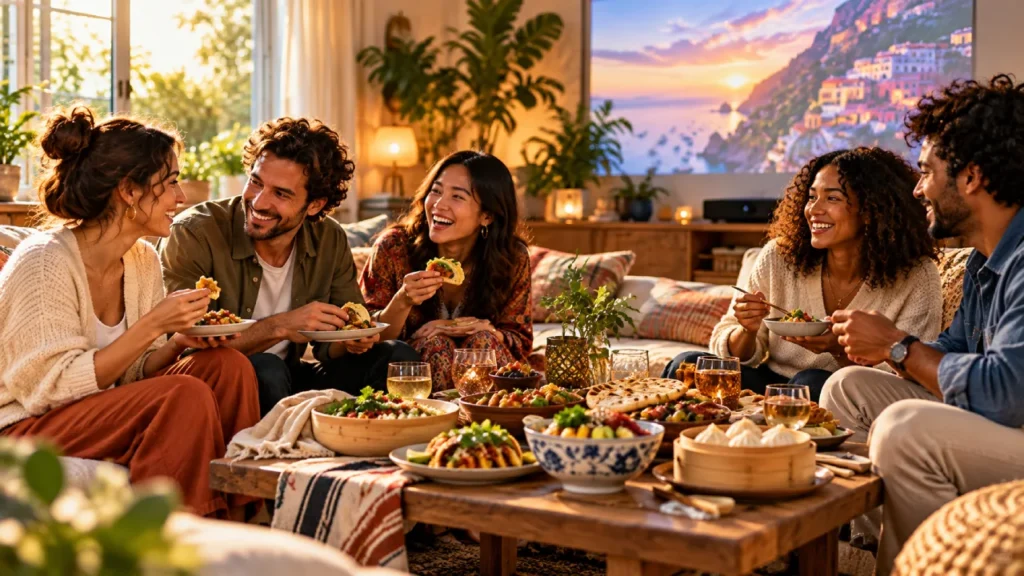
You can treat these films as more than background entertainment. When the lights go down, try pairing the watch with something from the story. People might cook a small dish that fits the scene. Others may read about key ingredients. Some may just learn the local habit behind the food.
A home-cooked plate does not have to be fancy.
If you keep it easy and eat together, the night can feel more real. That idea shows up in many of these films: meals work best when they bring people closer.
Final Thoughts
Around the world, films often use food to say things that spoken lines cannot. It can point to growing up, moving to a new place, family pressure, close friends, romance, and old customs. A written recipe can hold onto a past day. A shared table can help people who do not know what to say.
From lunchboxes in India to kitchen work in Japan, from family bowls in China to Mexican favorites, and from French dining moments to others, these scenes do more than look good on screen. They help you see daily life in other places. They also remind you of something familiar: a meal often matters most when it is shared.
Next time a film shows a family eating, or lingers over a dish from start to serving, it is worth looking past the food itself. That plate may carry a bigger message about culture, memory, and where people feel they belong.