

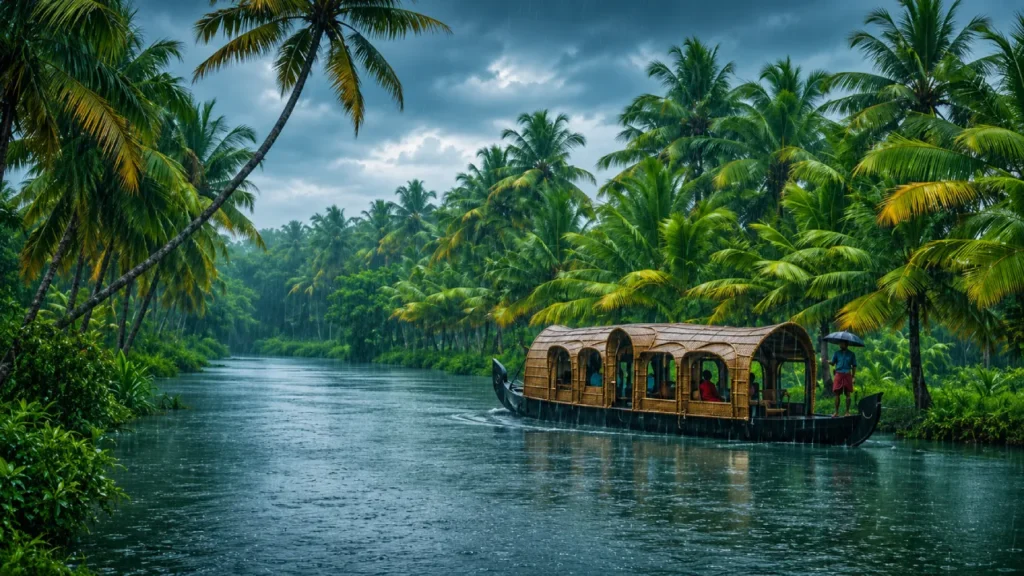
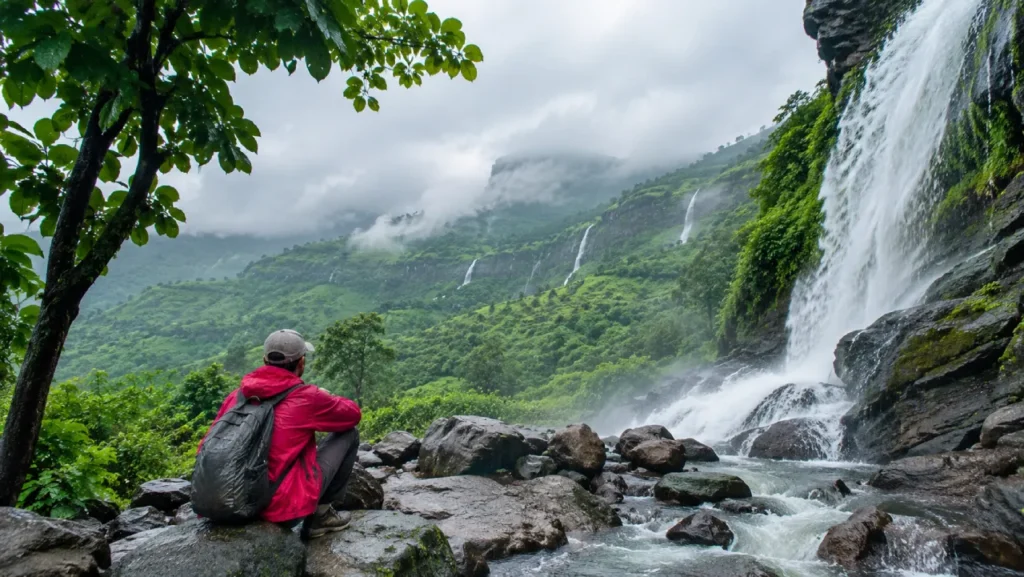
The monsoon changes India fast. Hills turn greener. Waterfalls run stronger. The forests look freshly washed. Mist often hangs over the valleys. For many people, this season feels like a special time to get outside.
Still, a rainy trip needs a different plan than a usual vacation. Downpours can make roads harder to use. Outdoor plans may have to shift at short notice. The air is also heavy with moisture, so clothes and shoes matter more. Even where you stay can feel very different in wet weather. That is why the best monsoon trip is not always the one with the most days. It is often the one that keeps space for sudden changes. If you plan with care, your monsoon days can feel easy, pretty, and unhurried.
Pick Where to Go Based on the Weather
Start by knowing that India’s monsoon does not hit every area the same way. Rain can look very different from one place to another. Because of that, choose a destination based on what you want to feel and see on your trip.
Take Kerala. During the monsoon, it turns bright and green. Backwaters, plantations, and nearby hills look much fuller than in other months. Tourism sources often note that July through September is a vivid season there. They also advise packing rainproof gear since storms can change without much warning.
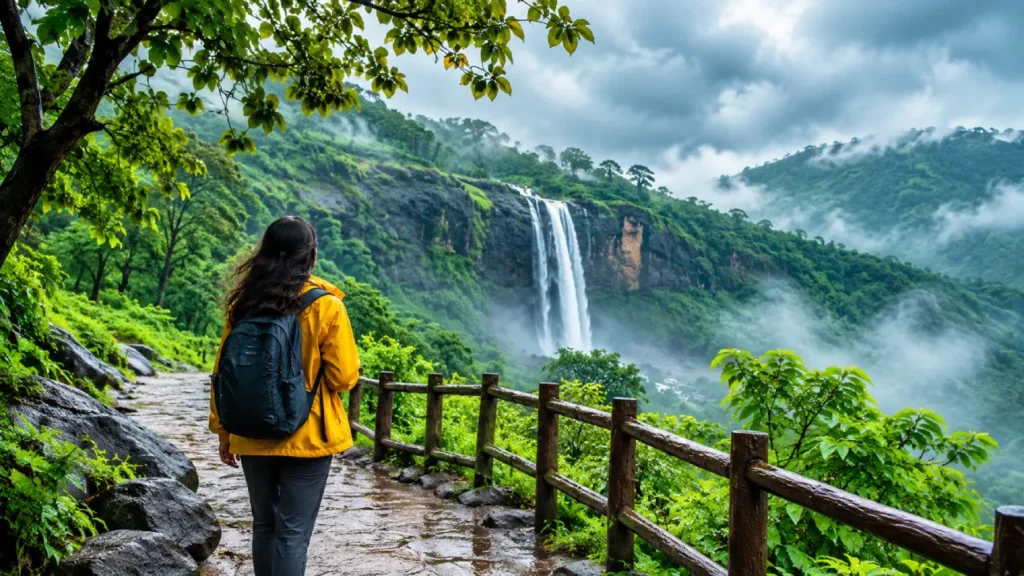
Goa works differently in the rainy period. Beach time can be less comfortable when it pours. Still, the land around it turns greener, and water features stand out more. Rivers and waterfalls often look stronger. With the pace slowing down, many people also prefer the calmer vibe, including small cafés, old homes, and easy stays.
Hill stops like Munnar can also be a good choice. It draws travellers who like misty views and tea estates. In this region, heavy rains fall from June to September. The months look and feel unlike the drier part of the year.
Prefer Slow Plans With Fewer Stops
Monsoon trips feel better when the day is not too tight. Instead of rushing past five places in a single day, you can pick one or two key stops.
Then you can keep the rest of the hours open.
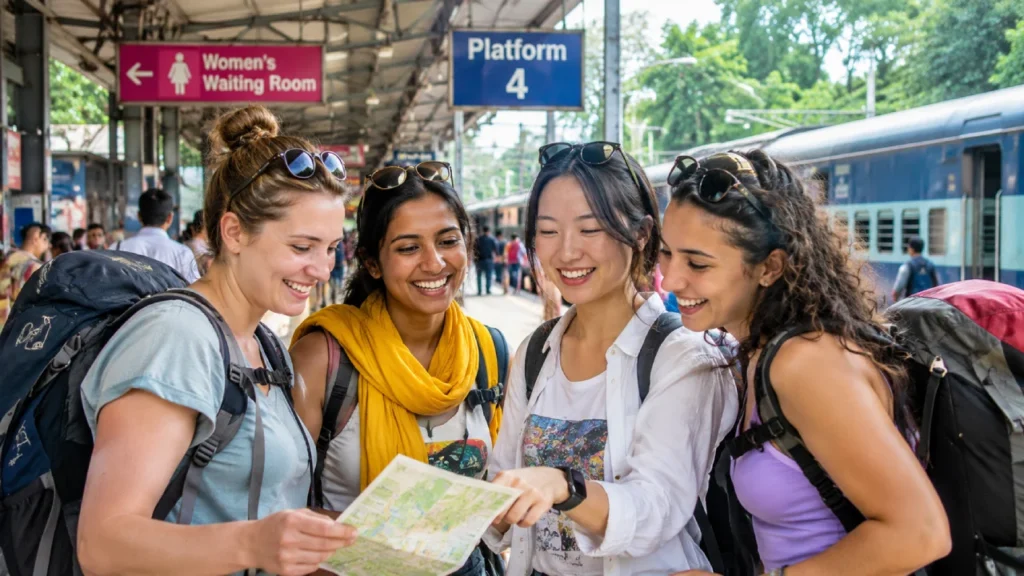
Heavy rain can slow down a car ride. A footpath can close for a while. An outdoor plan can also turn into a relaxed afternoon indoors. That is why a calm three-day trip may feel nicer than a packed five-day plan.
This works well for nature travel. A walk in the morning, a calm meal, a quiet view over a valley, and an evening back at your stay can be enough for a full holiday.
Look Up Weather Updates and Local Notices First
Weather should be checked early, not only right before you head out. The India Meteorological Department shares rainfall outlooks, weather alerts, and monsoon updates. For example, some September 2026 notes pointed to very heavy rain in parts of the country.
At the same time, other areas of peninsular India saw less rainy activity. This matters because conditions may vary from one place to the next.
Before you travel, check the most recent update for your specific district or town. Also look at road status and any local rules. If local authorities say you should not go to an area due to floods, landslides, or severe weather, change your plan. Do not treat it like a test you must pass.
So do not assume that “monsoon” will mean the same trip for every location. Check the conditions for each destination before you decide.
Choose a Place to Live In, Not Only to Look At
A great mountain view feels nice, but monsoon stays need more. When rain shuts down outdoor plans, the basics matter a lot. Look for a room with proper drainage so water does not pool.
Make sure there is airflow, hot water, and a steady power backup.
Indoor space also helps when you cannot step out for long. It is smart to check the route too.
A hill resort can look easy on a website. In heavy rain, the last road stretch can turn messy fast.
If the track is rough or poorly kept, getting there can feel like work.
If you want a short nature break, pick a place with places to sit. A balcony helps, but a common area or a café works too. With that, a rainy day can still feel like part of the trip.
Bring Gear for Rainy Weather
Pack with the weather in mind, not with extra bulk. Start with a light rain jacket or a coat. Add a small umbrella you can carry all day.
Choose clothes that dry fast and shoes that stay comfortable. A waterproof pouch is handy for small items. Phones, wallets, cameras, and other devices can stay safe that way. Do not forget extra socks. Wet socks can ruin a day, especially on walks in towns or on trails.
Quick-dry fabric is usually the better choice. Still, for hill areas, carry a thin warm layer. Rain plus wind can drop how warm it feels. Kerala travel guidance also points to rain gear, umbrellas, good footwear, and mosquito repellent for monsoon travel.
Pick Nature Trips That Fit the Season
A big plus of travelling in the monsoon is that the outdoors feel like the main event. Tea estates, forest viewpoints, gardens, backwaters, lakes, and easy walks can be great too. You do not need a packed plan to enjoy them. Waterfalls stand out most during and right after heavy rain. But how safe and easy they are to reach can change fast.
Access may be blocked when rain is very heavy.
So follow what locals say on the spot, not just old travel notes.
After the monsoon ends, some places also shine.
In Kerala, for instance, Thusharagiri Waterfalls can be a strong choice from September to March.
That stretch keeps the area green and helps keep the waterfall flow steady. Earlier in the season, intense monsoon rain may limit entry and movement. In the end, the best time for a nature outing may not be the height of rainy weather.
Keep Backup Plans for Rainy Days
A monsoon trip is easier when you have an alternate plan. If a trail gets cancelled, switch to something indoors or close by. You could choose a museum, a small café, a cooking class, a visit to a plantation, a craft session, or an old heritage site. Another option is a calm afternoon back at the property. This helps a lot on family trips.
Kids can get fidgety when the whole day turns into “nothing” because of rain. So it helps to book places with indoor options or nearby spots. The aim is not to beat the weather. It is to shape the day so it still feels good when the forecast shifts.
Plan Your Road Moves Carefully
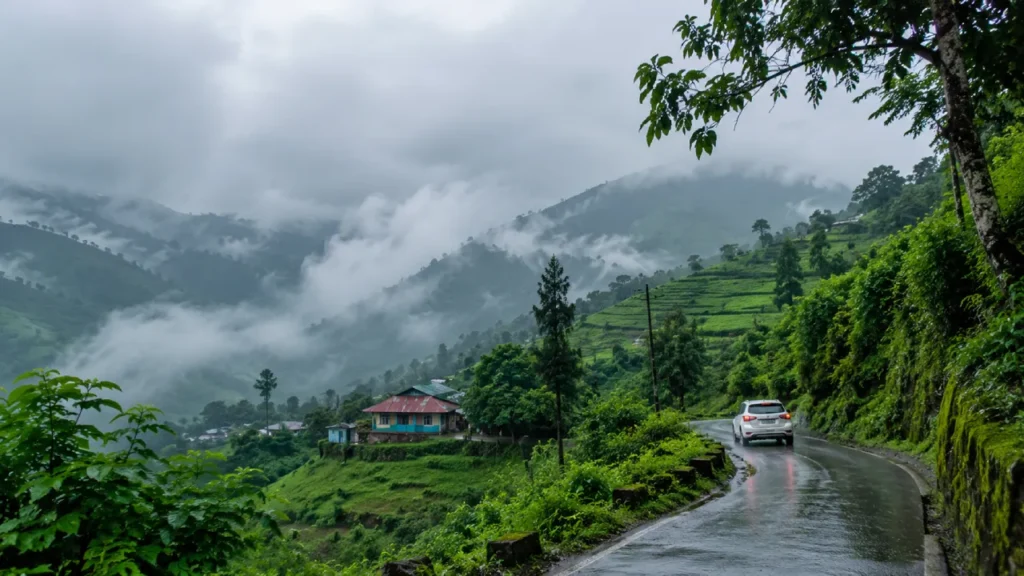
Car travel through wet green hills can feel very scenic. At the same time, it needs more care during monsoon months. Heavy rain can blur the view and make roads harder to handle, mainly in hilly places. Do not rush to get to the next stop.
Add extra time for the drive. If your route goes through landslide areas or steep regions, check local road news before you leave. When conditions turn worse, it is smarter to delay the trip than to keep the old timetable. For longer journeys, pick one main base. Then explore nearby attractions from there. This cuts down the hours on roads that may be rough in the rain.
Eat Local Food and Stay Hydrated
Monsoon trips let you taste regional dishes. You might try hot South Indian breakfast items, local snacks, soups, and other filling meals. Still, rain means a higher risk of poor hygiene. Pick restaurants that look busy and well-kept. Also, confirm that your water is clean and safe to drink.
When the weather cools, it is easy to drink less. But humidity and long rides can still drain your body. Keep taking water in small amounts throughout the day. Sampling local food is part of the trip’s charm. Yet if your stomach is touchy, do not push it with every new thing. Choose comfort first.
Be Careful With Nature in the Wet Months
The monsoon scenery can look fresh and calm. At the same time, the land and water can be delicate. Do not drop trash. Do not scare animals. Stay out of fenced or off-limit forest zones. Things like plastic litter, loudspeakers, or careless steps can harm the places that make the rainy season special. Bring a reusable bottle and a reusable bag. Throw waste in the right bins. Stick to the paths that are marked. Your break feels better when you leave the spot just as you saw it.
Don’t Let Photos Run the Trip
Soft hills, swollen streams, and forests under rain feel made for a camera. Still, monsoon weather can push people to step into risky spots just to get a shot. Slippery stones, near-vertical rock faces, and rushing water can be hard to judge. Please keep safety first. If a spot feels unsafe, do not trade that for a picture. It also helps to put the phone down now and then. Rain on leaves, fog sliding through trees, and shifting shades in the land can be enjoyed in the moment. Not every view needs to be saved.
A Straightforward Monsoon Plan
If you want a calm break in nature, use a simple setup. Pick one scenic place. Choose a stay that feels easy. Plan two or three things to do. Leave some extra hours for weather changes. For a three-day trip, day one can be about travel and settling in. Day two can centre on the main outdoor activity. Have a backup plan indoors if rain comes in hard. Day three can stay open for a short walk, local meals, small sights, or a slow morning before you head back. This way, the trip stays fun, and you are not tied to the forecast for every hour.
Conclusion
Monsoon trips in India can feel like a nice change from the usual sightseeing plan. In this season, the land looks different and brighter. You may see tea hills in Kerala, then move to strong waterfalls, foggy woodland paths, and wetter fields that seem greener than before.
A smooth trip usually starts with getting ready. Look at the weather updates each day. Pick a place to stay that can handle rain. Bring things that stay dry when showers hit. Also, keep your plan easy to adjust. Follow local safety notes, even if they seem small.
You do not have to fill every hour with an activity. Sometimes the quiet parts matter most. Let yourself watch rain slide over a green valley. Have a hot meal from a local stall. Take a slow walk only when the clouds thin out. If you plan your days around the weather instead of fighting it, a monsoon break can be a calm way to feel close to nature again.