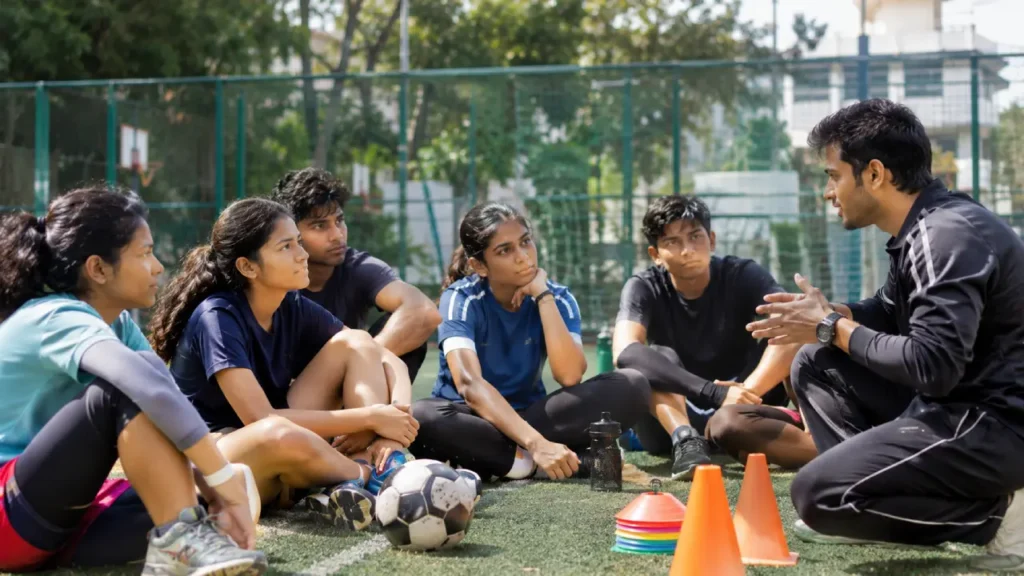

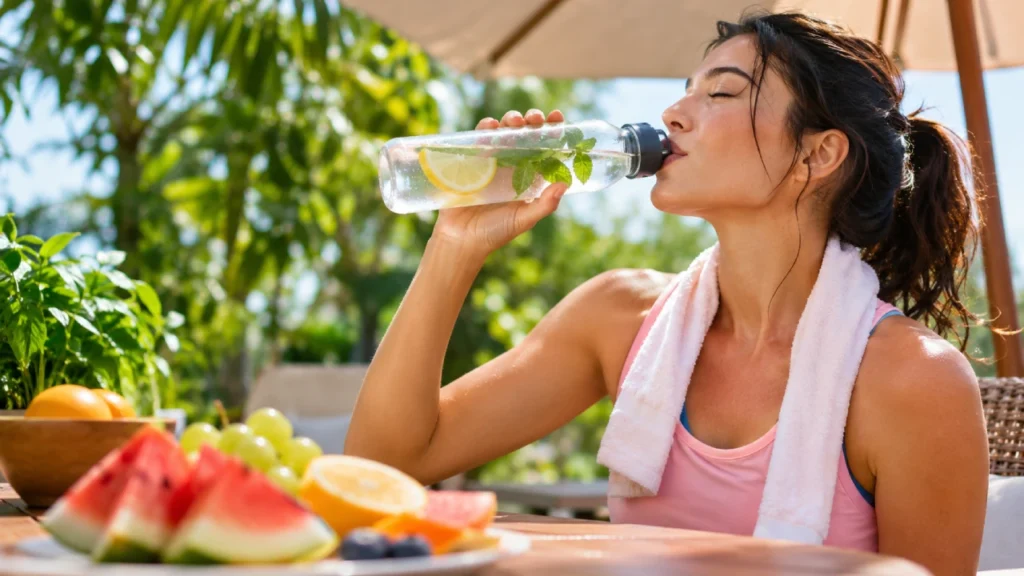
Hydration Habits: Hot and humid days can make normal tasks feel harder. If you work outside, drive to places, work out, or just handle chores at home, heat can increase sweating. When you sweat more, you also need to watch your fluid intake. You do not need a strict plan to stay on track. Small steps can go a long way. Carry a bottle with you. Take short sips through the day. Add foods that hold water in your meals, too. Over time, these choices become easier.
The goal is to make drinking feel normal each day, not something you do only when you feel bad.
Hydration Habits: Start the day with a glass
A good hydration habit is to drink water soon after you wake up. When you sleep, you do not drink for a few hours. That is why a glass of water in the morning can help you get started. It also makes it easier to remember water later in the day. Try to set it up so it is easy to reach. You can keep a bottle or a glass by your bed. Or leave one in a spot you will notice right away. When you can see it and grab it fast, you are more likely to drink.
You do not need a fancy routine. Keep it plain. The main idea is to make water one of the first things you do each day.
Keep water with you
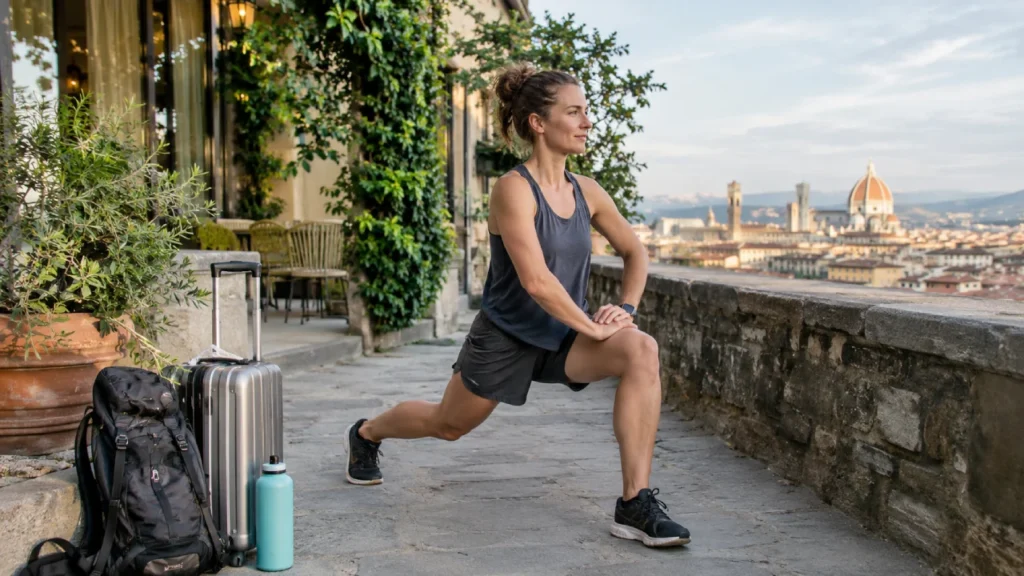
Another easy habit is to carry water as you move around. A reusable bottle works well. You can put it in a bag, a backpack, a car, or near your desk. If the water is close, you are less likely to wait and then feel caught up and thirsty. This matters more when it is hot outside. If you spend time outdoors, your body loses more fluids through sweat. Long trips, outdoor tasks, and workouts can all add to that loss. Having water within reach helps you sip more often. You do not have to hold off until you feel very thirsty.

Drink often during the day
If you wait for extreme thirst, that may not work as well. Hot weather can make this harder. A better plan is to drink water during things you already do. You can drink with meals. You can drink after you come back inside. Take a few sips during breaks at work. Drink before you exercise and then again after. Small pauses tend to work better than one big catch-up. You might also set simple prompts. Some people get busy and forget until later. A reminder can help with that. The aim is steady habits, not a strict clock.
Be careful when you are outside
Warm, muggy weather can make outdoor time harder. Your body sweats to cool itself, so you may lose more water than you expect. If you plan a walk, work out outdoors, travel, or stay out for hours, bring water and sip it often. It also helps to think about when you go outside. If you can, do tough activity in the cooler parts of the day. If you start feeling overheated, rest in the shade or in a cool area.
Drink fluids before and after exercise
When you exercise, you lose more fluid through sweating. This is even more true in hot conditions. Having water before you start can help you begin in a well-hydrated state. During a longer or harder session, catch up on drinking so you can replace what you lose. A quick indoor walk calls for less than a long outdoor session. For long workouts or very sweaty training, drinks with electrolytes may help replace some electrolytes lost through sweat.
Be careful with caffeine and alcohol
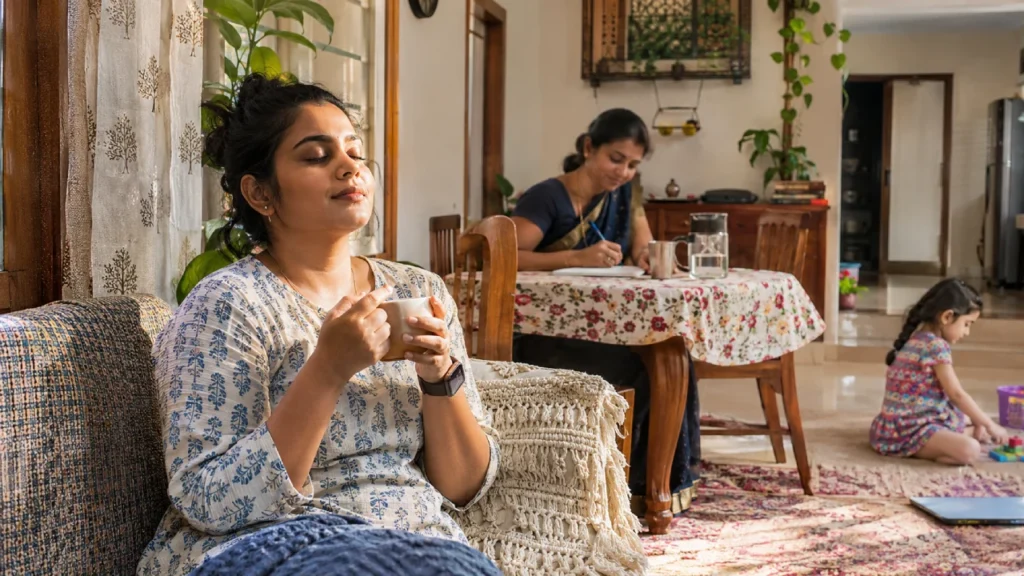
Warm days often lead people to iced coffee, iced tea, and other cold drinks. Those drinks can add to your total fluids, but they should not always take the place of plain water. Water still works best for everyday hydration, even when the weather is hot. Alcohol is worth extra thought in heat. It can raise the chance of fluid loss. It may also make it harder to notice what the body is doing as temperatures rise. If you choose other drinks, try pairing them with water so hydration stays on track.
Use electrolytes only when well-hydrated
Electrolytes are salts and minerals the body uses for key functions. Sweat brings these nutrients out of the body. When sweating goes on for a long time or is very heavy, electrolyte levels can drop. For most daily life, water plus a well-rounded diet are usually enough. Still, high-loss drinks can help in some cases. Long workouts, intense sweating, and other high loss situations may call for extra support.
You do not need sports drinks just because the day is hot. Many store drinks include added sugar in large amounts. Use them when the situation calls for it, not as a default choice.

Pay attention to signs of dehydration
Check in with your body as the day gets hotter. It helps you act before dehydration builds up. These signs can also happen for other reasons. So they are not a final answer by themselves. If you notice more serious effects, do not wait. Confusion, passing out, or severe weakness in extreme heat needs quick help. Heat-related illness can turn serious fast, especially when someone stays exposed.
Final thoughts
Hydration in hot, muggy weather feels easy; do small things every day. Try to keep a water bottle close by. Sip through the day instead of waiting for a long stretch. Eat high-water foods that hold a lot of water, like fresh fruit and veggies. When you are outside or working out, watch your intake a bit more.No one plan fits everyone. Your schedule, the heat, and your own body needs can change how much you should drink. A good rule is to pay attention to how you feel. Have water ready, and do not wait until you are already dehydrated.