
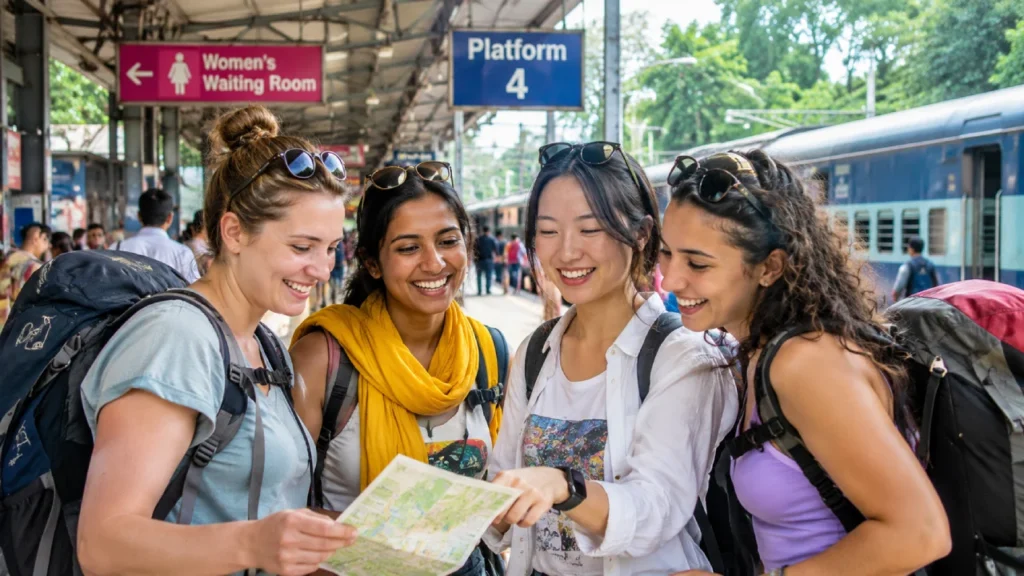
Travel can feel freeing, yet comfort and safety shape how much people actually enjoy the trip. For many women, planning is not only about routes and dates. It also includes which hotels to book, how to get around, who to ask for help, and what places seem genuinely safe in order to deal with a number of security concerns.
In many countries, women have started to respond to this need. They form networks that focus on trust, community, and real help. Some places are run by women, and some travel firms are led by women too. There are also online groups, local escorts and guides, and small hospitality efforts that make daily life easier.
Over time, this creates a travel culture with a wider view of safety. It is not only about dodging danger. It is also about making sure female travellers feel seen, know what is going on, and can relax when they arrive.
Women-Led Travel Groups Help Create a Sense of Belonging
One clear shift is how fast women-focused travel communities have grown. On many platforms, these groups share tips about where to stay, how to get around, and what to expect in local areas. What matters just as much is that they offer a setting where you can ask hard questions and not feel awkward.
If someone is planning a first solo trip, she might wonder about safety in a neighborhood once it gets late. She may also want to know what local buses or trains are like, or if others have stayed at the same hotel or rental. Because of that, group advice can add detail that you might not find in the usual guidebooks.
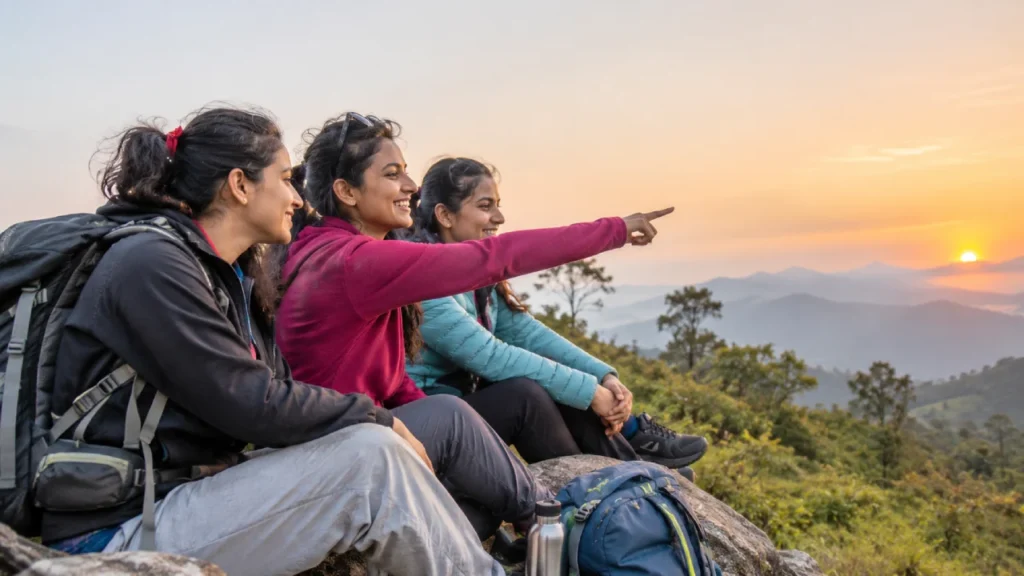
These spaces can also ease the lonely parts of traveling alone. After joining a group, some travelers meet up for coffee, go to sights together, or join small day trips. That way, they keep their freedom while still having company nearby.
Accommodation Spaces Run by Women Become a Comfortable Choice for Female Travellers and Others
Staying somewhere new can feel easier when you feel safe. In many places, women owners are building guest experiences that focus on the local community.
Guesthouses, hostels, homestays, and small boutique properties run by women can also feel more personal. A host who has watched how solo travelers move through a trip may suggest dependable transport, helpful local services, or good spots to visit.
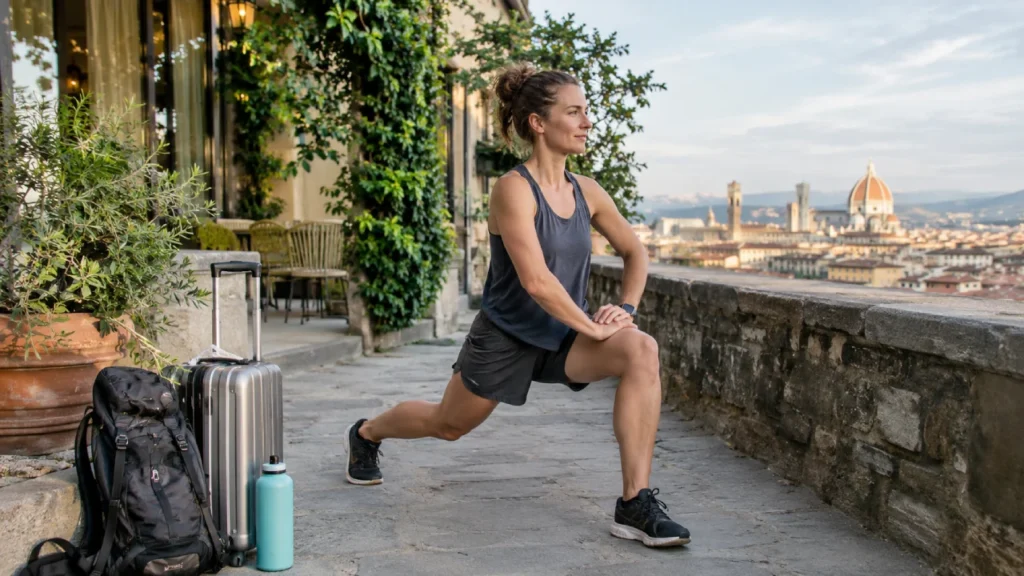
This is not a claim that women-run places are always safer. The strength is often in how people talk with guests, how they welcome them, and how they respond to what travelers actually need.
For example, simple check-in steps, quick replies to messages, locked main entry points, lit shared areas, and clear directions about the nearby neighborhood can change the whole stay.
Local Women Guides Provide Reliable Information to Travel Better
Women who guide visitors show places in a unique way. They share stories and daily details that many travellers miss.
A guide is not just a map holder. They help you see neighborhoods, street markets, local customs, and the food people eat each day. Some of this is not on the usual sightseeing routes. If someone is travelling alone, having a known guide can ease the first steps in a place. It can feel less strange and safer.
Women guides also point out spots through a lens that is easy to overlook. On a walking route, they may take you to makers, women business owners, family shops, or they may talk about women’s history in the area. The result is a trip that feels deeper. It also brings support to people who live and work there.
Women’s Travel Businesses That Back Each Other
More and more travel companies now build their services around women’s needs. Many of these businesses are run by women who plan trips with real-life details in mind. They may set up group plans that account for who will be going, what the lodging is like, and how people will get around.
Some groups cater to solo travelers.
Others plan trips for mothers, older women, first-timers, or women who want themed trips linked to local culture or outdoor time. What stands out is the care they bring to comfort. At the same time, they try not to kill the sense of discovery. A solid group plan can let people wander on their own.
Online Communities That Help With Safety
Phones and the internet make it simpler to keep in touch while away. Travel groups can share ideas about specific places. Chat apps let travelers check in with friends, family, or people they meet on the road. Tools like location sharing can also help. Digital copies of key documents can add a layer of help when needed.
Still, it is important to protect privacy. Avoid posting details that could put you at risk, like exact hotel info, room numbers, or live whereabouts for a large crowd. Good online communities keep things open enough to be useful. They also stay discreet. Their goal is to help travelers choose well, not to spread extra panic.
Welcoming Public Areas for Travel
Safer trips are not only about hotels or guided tours. What happens in public spaces affects daily life, too. People in urban planning, tourism, hospitality, and community groups help shape the conversation. They talk about street lighting, transport options, access, and how places are laid out.
When a walking path is bright, signs are easy to follow, and transit info is clear, navigation gets simpler. Add places where help is easy to find, and many trips feel less stressful. These changes do not help only one group. Families with kids, older adults, people who use wheelchairs or other mobility aids, and visitors new to the city can all feel more at ease.
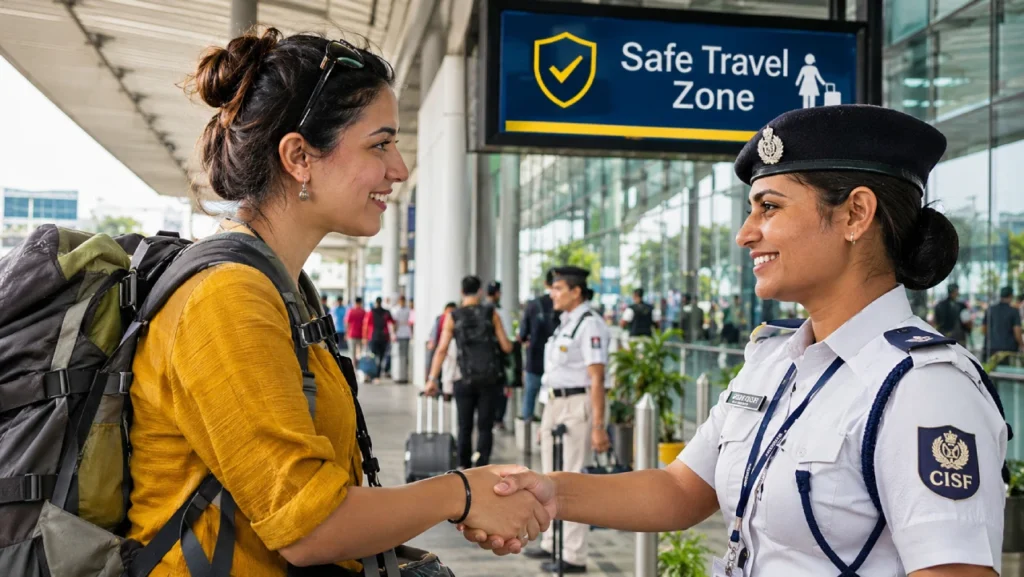
Support Local Women-Owned Businesses
Picking women-owned businesses can also bring trips closer to the community. A guest may sleep at a women-run homestay, dine at a locally run restaurant, buy crafts made by women artisans, or join a class taught by a local owner. Spending this way can keep money in nearby areas and help visitors meet residents in real time. The day can feel more personal than jumping between big sites. Watching a craft get made, trying a family recipe, or hearing why a small business started can leave a lasting link to the place.
Travel Companionship Without Losing Independence
Some women run travel groups that challenge the idea that a solo trip means total isolation. You can move at your own speed and still meet others along the route. You might walk alone in the early hours. After that, you could join a group hike in the afternoon.
Later, you may sit down for dinner with strangers who feel less strange than you expected.
This blend works for people who want to travel solo but also want company when it makes sense. It can also help bonds carry past the last day of the trip. A quick chat can turn into a plan for later, a useful job lead, or a friendship that does not fade.
Kindness Builds Safer Travel
Some safety advice reads like a list. Other rules sound simple, yet real life is messier. Kindness helps in small moments. A hotel staff member who explains how to take the bus, a shop clerk who points to the right road, another traveler who checks in to ask if you reached your stop, or a local guide who notices when someone looks tense.
These small moves can seem easy to miss. But they can change how a trip feels. Trust grows sooner than you think. Women travelers often shape that mood by sharing what they know, looking out for others, and treating the place with care. In the end, safety is not just one person carrying worry. It becomes something people share.
Responsible Travel Builds Better Communities
Respecting a place is part of responsible travel, not a bonus. When travel is kinder, communities often benefit in return. Many women-led travel projects link tourism with local life. They help guests learn what is customary. They also keep visitors from treating the area like a stage.
If local rules suggest certain clothing, follow them. Ask before taking photos of people. Choose local shops and services. Try not to cause trouble in the streets or in quiet areas. A place feels more friendly when visitors act like guests. That mindset shifts travel from buying experiences to joining them with care.
Helping More Women Travel
You can see the difference when examples are right there. When women notice other women going out on their own, it can change how possible it feels. Some women run guesthouses, guide groups, or start travel work. Others build networks across countries. For many, that visibility offers real comfort.
This can matter most for people who have not traveled alone before. A first-time solo traveler may look at someone else’s story. That can include the real parts that are not always shared, like the hard moments. Still, solo travel should not be sold as easy. What it can offer is a clearer path. Planning, community support, and growing confidence can make new places feel less scary.
Women-Friendly Travel: What Comes Next
A new plan for travel is not about setting up separate spaces for women. It is more about making trips feel safer and easier for everyone to join. The focus should be on clear rules, open access to details, and spaces that treat people with respect.
This change needs a few basics. Shops and operators should explain things in plain language. Streets and shared areas should be planned with care. Local groups can post facts people can trust. Then travelers can act with simple care toward others.

Efforts led by women can push this shift forward. They come from real life, not theory. And they can shape services in an industry that moves huge numbers of people each year.
The best ideas will mix safety you can feel with warmth you can sense. No one should have to trade comfort for the fun side of travel. You should still be able to try new things without fear.
Final Thoughts
Women in many countries are changing travel in visible ways. They build community, launch businesses, and offer experiences that put trust first.
This work goes beyond tours or rooms made for women alone. It includes local guides, careful and respectful hosting, online help groups, new business starts, and small daily kindnesses between visitors and residents.
All of this shows that safer travel is not just a list of bans or warnings. It is also the sense that help is nearby, that people can share what they know, and that it is normal to be included.
As more women step into tourism and hospitality roles, they shape a travel style that balances self-reliance and community support. The end result is travel that feels more generous. You can explore the world in a bold way, without unnecessary worry.