


Parents and homemakers often spend most of the day caring for others. Cooking, handling chores, supporting kids, sorting plans, and dealing with the usual family tasks can leave little room for your own wellbeing. These tasks can feel the same day after day. When life keeps moving like that, it is easy to set mental wellness aside.
Since these tasks can repeat day after day, it is tempting to leave your mind last. Still, looking after mental health does not have to mean a huge change in your schedule or finding extra free time. You can build steady habits that bring a bit of ease. Even on full days, small steps can make things feel less heavy. This is not about having a flawless plan. It is about finding doable ways to guard your energy and give yourself some care.
Mental Wellness for Parents: Begin the Morning With No Rush
Those first minutes matter more than people think. Instead of grabbing your phone right away, try a short pause before you check messages or run through your to-do list.
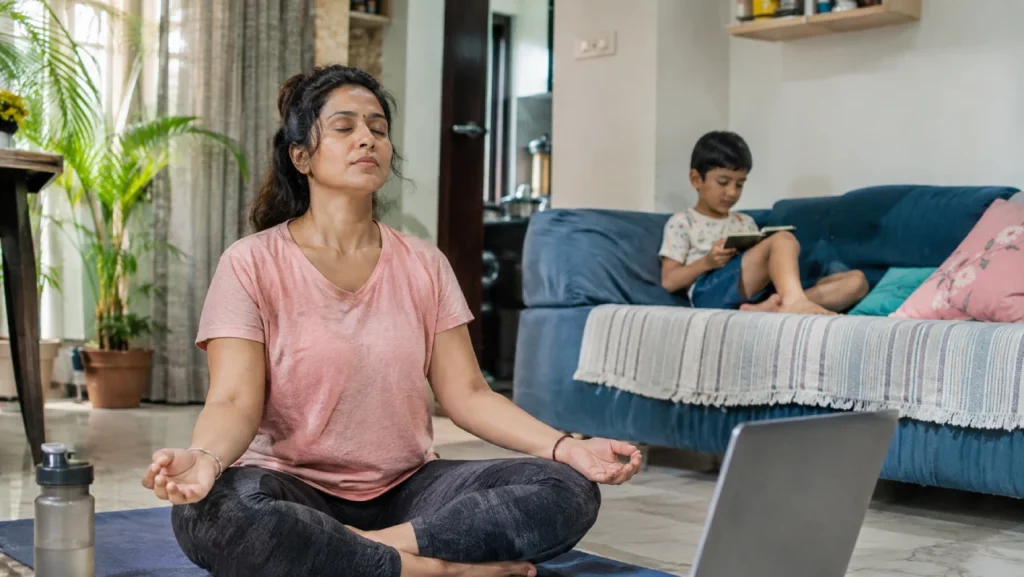
You might sit still with a warm drink. You could open a window for a little fresh air. Light stretching works too. Slow breaths can help, even if it feels simple. Many parents with young kids do not get a fully quiet start. If that is your reality, then a few minutes still count.

A calm start does not erase stress later. But it can add a little space inside your head before the day takes over.
Make Time for Yourself in Small Chunks
Personal time can feel hard to grab when the house and family need attention all the time. If you wait for a perfect block of hours, it might never show up. Try spotting smaller chances instead. Read a few pages. Put on a song and just listen. Sip tea without juggling other tasks. Sit outside for a bit. Take a short break for a hobby. These moments do not need to be useful. They can be just for you, even if you do nothing special.
Set Clear Limits
Being around for family does not mean you must be on call all day. When it makes sense, clear limits can help guard time for rest and for things you enjoy. For example, you can ask for a few quiet minutes with no interruptions. You can also put a cap on extra household requests. Another option is to pick a time each day when you are not expected to handle anything that is not urgent.
Every home is different. The key is that your own needs count too. Parents can also help kids learn what is fair for personal space and quiet play. Little by little, this can build a better sense of what each person needs in the home.

Get Moving
You do not need a long gym session to be active. A walk, some stretching, dancing at home, gardening, or a short yoga flow can help you move. It can also give you a break from the same chores over and over.
If you are a busy parent or a full-time homemaker, a small amount of movement is often easier to keep up with than a strict exercise goal. Try a short walk nearby. Or do a few stretches between tasks.
A simple morning routine can fit into your day without taking much time. Aim for steady effort, not flawless results.
Care for Your Sleep
Sleep can feel hard for parents, mainly when kids are small. Household routines can also shift without warning. Even so, when you can, make rest a real priority for your health.
A steady bedtime routine can tell your body that it is time to wind down. It also helps to keep phones and other distracting things out of the bed area. That small change can make it easier to drift into sleep.
Make Eating Feel Like Care
In a busy home, meals can start to feel like chores. They can also pull time away from rest and real nourishment. Caregivers may cook for everyone else first. Then they rush through their own food, or they skip it without meaning to. When meals happen more regularly, and you drink enough water, energy is easier to maintain. If the day is packed, simple choices are fine. You can also cut the work by picking a few meals ahead of time. You can prepare parts together. You can keep ready options on hand. This is not about being perfect. It is about making sure the person planning and cooking is cared for too.
Keep in Touch With Others
Staying home all day can feel lonely. Household duties can shrink your world without you noticing. It helps to hold onto social contact. Support from other people can steady your mood and broaden your view. Reach out to a friend. Stop by a family member. Join a nearby group. Or just talk with someone you trust. You do not need a big plan for this. Even a brief chat can help you trade stories, share a laugh, or talk about something other than house tasks. It can also remind you that someone is listening.

Final Thoughts
Taking care of your mind as a parent or homemaker does not need big plans. It also does not require lots of spare hours. You can start with small choices that fit real life. Pause for a true break when you can. Rest as much as possible. Move your body each day. Stay in touch with people you trust. Also set aside some time for things that make you feel good.
Looking after yourself is tied to looking after your family. When you make room for your own well-being, you end up better able to handle daily tasks. You also build a routine that lasts longer and feels more steady.
(Source)