

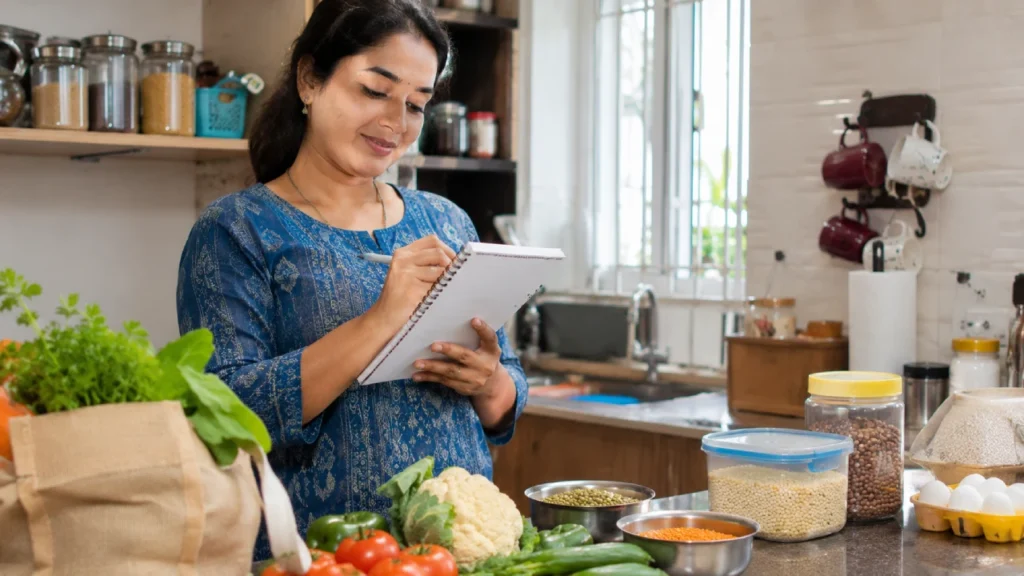
Healthy Grocery Shopping: A pricey cart is not necessary to make good food at home. Simple pantry items from Indian kitchens can stretch far. Items like dal and rice, seasonal greens and vegetables, eggs, millets, curd, beans, common spices, and fresh produce are essential. With these, one can eat in a well-rounded way without paying for fancy add-ons.
The real problem is often how the meal planning is done. It is not the ingredients. If food items are picked up on the spot, food is spoiled, takeout is bought often, or you buy more than your family can finish, the monthly cost climbs quickly. A few small shopping and cooking habits can keep meals easy to afford. They also help with prep.
Healthy Grocery Shopping: Begin With Affordable Staples
Spend on foods that you will use in many dishes. Rice, atta, dal, chickpeas, rajma, poha, oats, and potatoes can come back again and again. Instead of hunting for a new specialty ingredient for every recipe, choose a few steady basics. Then vary how you cook them.
Moong dal can become dal, chilla, or a filling for wraps. Chickpeas can fit in curries, salads, or chaat. Oats can be for breakfast, for a savoury meal, or for a quick evening snack. When items can swap across meals, you spend less.
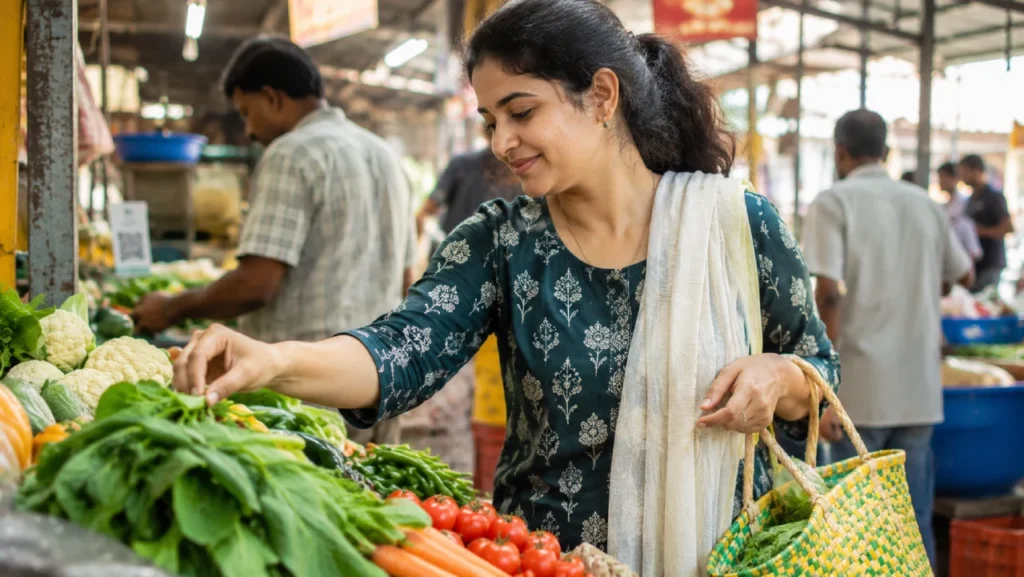
Make a Short Food Plan Before Shopping
You do not have to map out every day of the week. You can pick four or five meals you want to cook first. Then get the rest of the meals from what is already in the house. That can mean leftovers, quick breakfasts, or using items you already bought.
A simple weekly set could be dal with rice, vegetable pulao, roti with sabzi, chana curry, and a plain khichdi. Use different vegetables, spice mixes, and side items so these meals do not feel the same each time. When you plan ahead, it is easier to see what you truly need to buy.
Check What Is in Your Kitchen First
Before you go to the market, look through the fridge, the freezer, and the pantry. Do a quick check, and you may find lentils in a half packet, vegetables that are about to go bad, or grains that have been sitting too long.
Use those items in your next meals. This helps cut down on waste and stops you from buying the same thing twice. Keep a small note list on your phone or on the fridge. Add staples when you see they are running low. This habit can trim your grocery bill because you are not paying for food that is already at home.
Choose Produce That Fits the Season
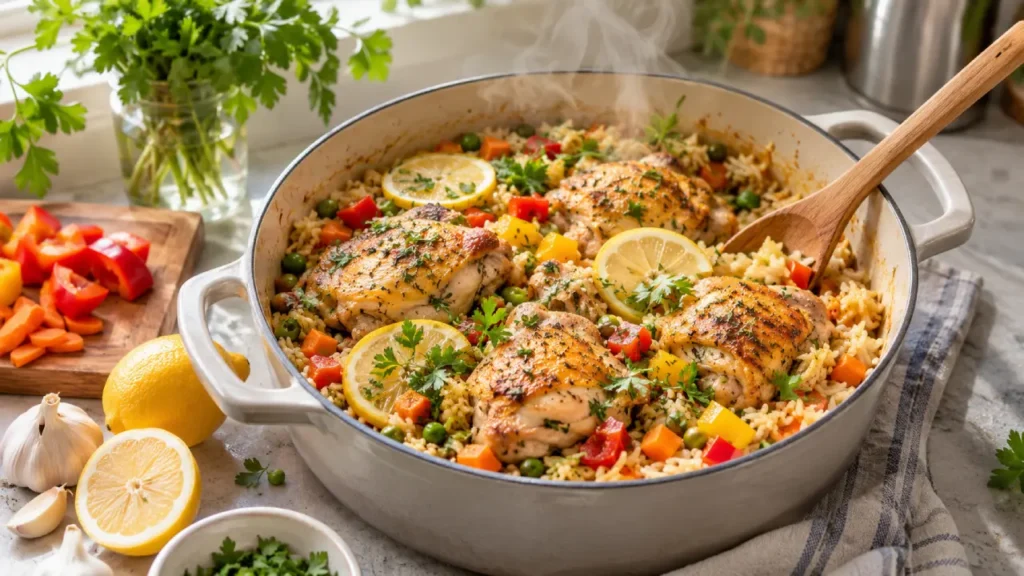
Seasonal fruits and vegetables can be a solid pick when money is tight. When local produce is in season, it is usually easier to find. You can also plan around what is plentiful right now, which helps you stay flexible at the store. Instead of picking one vegetable no matter the cost, you can grab whatever fresh items are priced reasonably this week.
A family might swap among different gourds, leafy greens, beans, carrots, cabbage, cauliflower, and other items that are grown nearby. This depends on what is available during that time of year. Doing this also brings more variety to meals without needing costly specialty produce.
Use Frozen and Pantry Foods Smartly
Fresh food matters, but it is not required to buy everything fresh to eat well. Frozen vegetables like peas and corn can help when fresh options cost more or when you will not use them fast enough. Frozen items can also cut down on food waste since you can take out only what you need.
Pantry staples such as dried beans, lentils, oats, and whole grains work well for keeping costs down. The key point is to match what you buy with how you actually cook. Buying extra just because the package seems cheaper can backfire if it ends up being thrown away.
Check the Unit Price
Grocery shopping can feel confusing when package sizes change. A bigger pack can look like the better deal. Still, it helps to check the unit cost. Look at the price per kilogram, per litre, or per 100 grams. Do not judge it only by the final total. This matters a lot with common packaged items. Think of cereals, nuts, dairy, and cooking basics. Staples like these can vary in value even when the label looks similar.
Also, the cheapest unit price does not always mean the best choice. A deal on a large pack works only if your household can use it before it spoils. It also should be used before the expiry date. In the end, affordability is about what your home actually eats. It is not only about what you buy.
Choose Protein Options That Fit the Budget
Protein is not limited to costly foods. Many meals can include it using foods like dal, chickpeas, rajma, black-eyed peas, soy items, peanuts, eggs, milk, and curd. You can mix these with grains and vegetables. Add other foods too, and meals can still feel filling. This can reduce the need for expensive packaged protein products.
If you are cooking for a vegetarian home, it can help to keep two or three pulses on hand. That way, you get more variety during the week. Simple meal ideas can work well. Dal with rice is one option. Chana with roti is another. Curd with a vegetable meal also fits. Moong dal chilla can be both filling and easy on the budget.
Make Veggies Simpler to Cook
Vegetables often end up thrown away when they are too much work to prepare. If you wash and cut some items right after you get home, they are easier to use on busy days. Still, if something spoils fast, cut or prep only what your household will eat soon.
You can also match meals to how long foods last. For example, tender leafy greens can be cooked earlier in the week. Hardier vegetables keep longer, so they fit better later on. With this approach, shopping becomes a cycle. Instead of letting produce sit in the fridge and go bad.
Keep a Pantry That’s Healthy
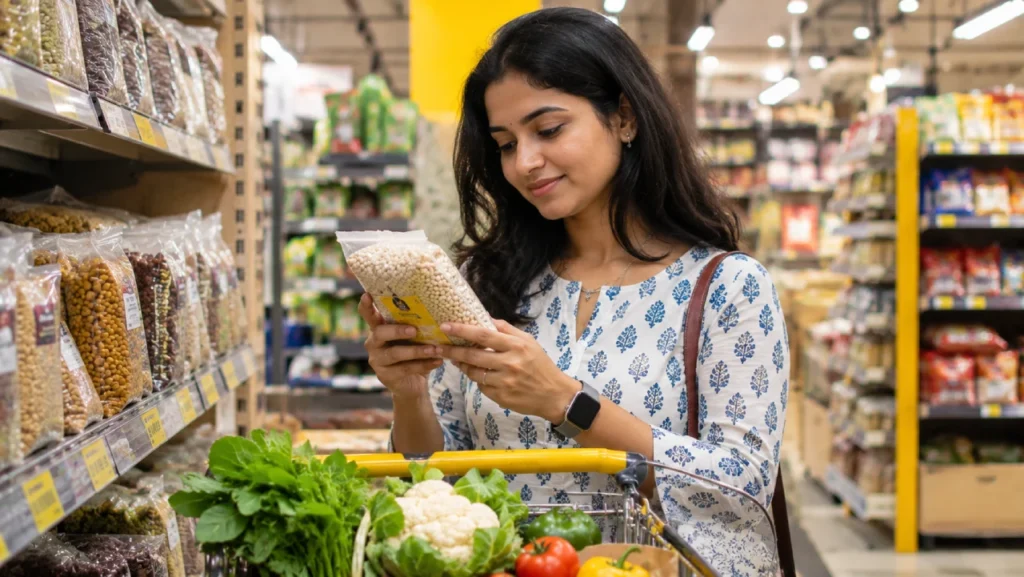
A pantry with the right basics can reduce the urge to order food at the last minute. If you keep a short list of items, like rice, atta, dal, pasta, oats, dried or canned beans, spices, and key cooking supplies, you can usually make a meal without stress.
That does not mean buying large amounts.
A smaller set of items you actually use is often better than a pile of things bought for one special dish. Aim for home cooking that feels easy enough to compete with ready-made food.
Use Leftovers in New Ways
Leftovers do not have to mean the same food again. If you have extra dal, you can make a quick soup from it. You can also serve it with a different grain. Leftover vegetables can fill wraps or go into sandwiches. Cooked chickpeas can turn into chaat, or they can mix into a salad.
Even leftover rice can work again. Try vegetable rice, lemon rice, or a fast stir-fry. When you treat leftovers like ingredients, not finished dishes, you waste less food and get more variety.
Be Cautious With “Healthy” Packaged Items
Some labels make products sound better than they are. Granola, flavoured yoghurt, protein bars, ready snacks, and specialty cereals can help in certain cases. Still, they are often much more expensive than plain options.
Before buying, check the nutrition facts and the ingredient list. For instance, plain oats with fruit and nuts can cost less than a product that is heavily promoted. Plain curd can be mixed with fruit or spices for each meal, instead of buying many flavoured tubs.
Shop Within Your Budget, Not Just Your List
A grocery list helps, but a budget gives you another way to steer choices. When the total starts to run high, you can swap items instead of just going over the limit. For instance, switch one vegetable for a cheaper one that is on sale. Or skip a pricier snack and use a plain ingredient instead. You can also split the list into groups like staples, produce, fruits, protein, and extras. Then it is easier to see what is taking up the money.
Don’t Shop When You’re Hungry
If you are hungry, you tend to want more than you planned. Going after you have eaten can make it simpler to buy only what you need.
A set list also helps when you are in the store. Store deals, bright packaging, and ready-to-eat meals can push the cost up fast when you decide on the spot. A good habit is to pause and ask where the item fits in your meals this week. If you cannot see a use for it, it may be better to leave it on the shelf.
Cut Down Food Waste at Home
Pay attention after the groceries are in your kitchen. How you store food matters. Most vegetables need specific care. Dry items do better in clean, dry containers. Cooked leftovers should go into the fridge fast. Then eat them before the safe time runs out.
Put a date on prepared food. This makes it easier to spot what to eat sooner. Use a simple rule: eat what you have first. Pick older items that are still good. This helps stop food from getting lost in the back.
Make a Short List of Go-To Meals
Healthy meals can be budget-friendly when you have a few reliable options. Choose dishes that use low-cost ingredients and do not need much planning. For example, rotate items like:
- Dal and rice
- Vegetable khichdi
- Egg paneer bhurji with roti
- Chana salad
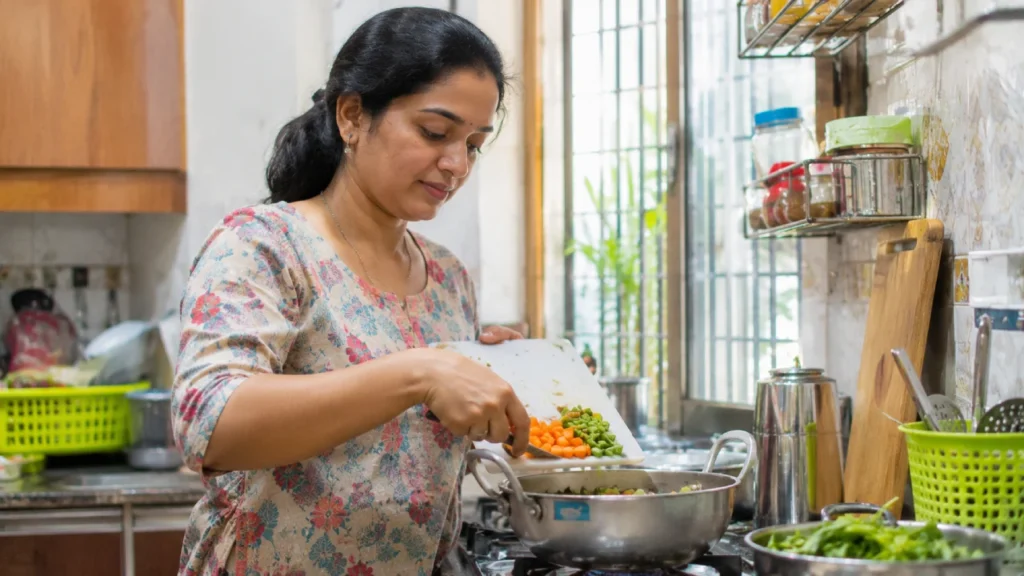
You can also include vegetable pulao, dosa with sambar, and simple stir-fried vegetables. You do not need to follow a strict timetable. They are there for days when life is hectic. When basics are kept on hand, cooking needs fewer extra shopping stops. You also rely less on costly ready-made foods.
Final Thoughts
In the end, buying groceries on a budget is not only about choosing the lowest price for each item. It is more about the small choices you make so less food gets thrown out, and so you can cook at home more often.
Start with what is in season. Add a few go-to basics that work in many meals. Look for protein options that do not cost too much. Keep a pantry that lets you swap things in and out as needed.
You can also plan a few meals before you shop. Then check what you already have. If you cook extra, use leftovers in another dish. That alone can help your food budget last longer.
Most of all, healthy meals do not need a “perfect” cart. If you stick with ingredients you already know, you can still make filling food for the whole week.
When shopping feels more deliberate, the kitchen runs smoother. Less food goes to waste. And healthy home cooking can turn into something you do day after day, even if your budget is tight.