
Highlights
- Home-cooked comfort food is becoming aspirational again in a fast-food world.
- Simple meals like soup, rice bowls, pasta, curry, and tea can carry memory and care.
- Family recipes are becoming emotional heirlooms for younger generations.
- Homemade meals offer comfort, affordability, routine, and a slower way to reconnect with food.
For years, fast food felt like the food of modern life.
It was quick, convenient, affordable, and easy to fit into busy routines. Delivery apps made meals available within minutes. Cafés became social destinations. Restaurants became weekend plans. Viral food trends made people chase the newest burger, dessert, drink, or “must-try” dish.
But quietly, something is changing.
Even in a world filled with fast food, ready meals, takeaways, and endless restaurant options, many people are returning to something simpler: home-cooked comfort food.
Not because it looks fancy. Not because it is trendy in the traditional sense. But because it feels emotionally grounding.
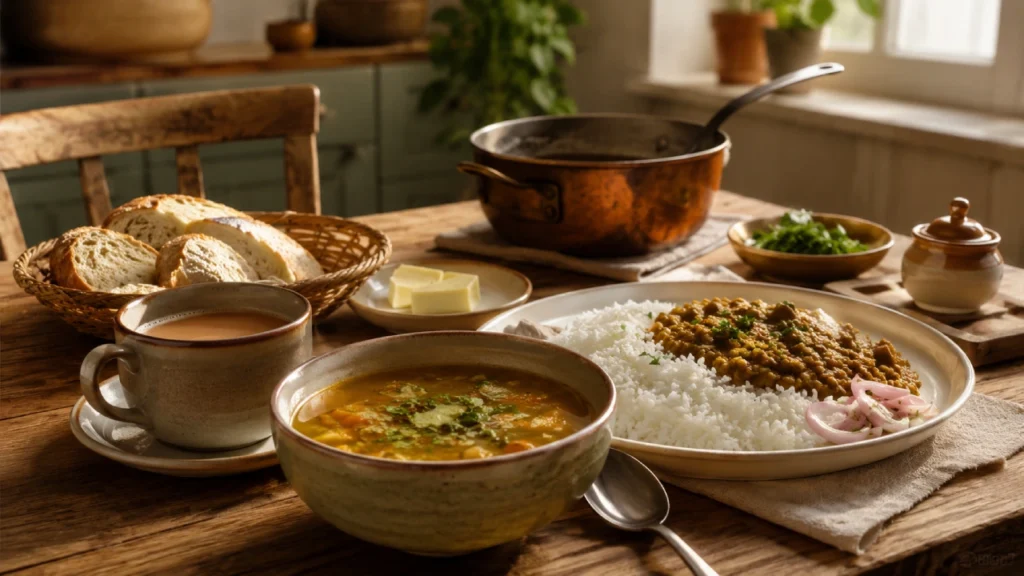
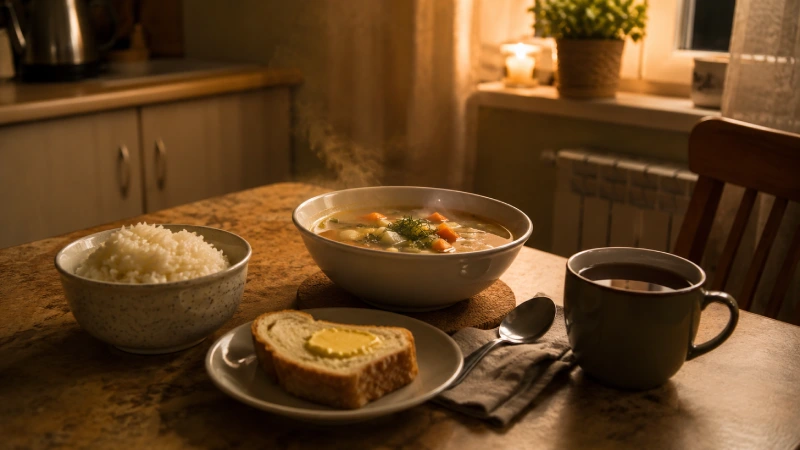
A bowl of homemade soup. A simple rice bowl. Pasta cooked in a home kitchen. A warm lentil stew. Fresh bread with butter. Eggs and toast. A familiar curry. Tea or coffee in a favorite cup.
These meals may look ordinary, but they carry something fast food often cannot: memory, care, comfort, and emotional safety.
That is why home-cooked comfort food is becoming aspirational again.
Why Comfort Food Feels So Important Now
Modern life moves quickly.
People work longer hours, spend more time on screens, manage constant notifications, and often eat in between tasks. Meals are sometimes rushed, skipped, delivered, or eaten while scrolling through a phone.
Food has become faster, but not always more satisfying.
Home-cooked comfort food offers a different feeling. It slows the moment down. It reminds people of family, care, routine, and belonging. It does not need to be perfect or beautifully plated. Its value comes from familiarity.
Comfort food is not only about taste.
It is about how a meal makes you feel.
A simple homemade dish can make a stressful day feel softer. It can remind someone of childhood, family kitchens, rainy evenings, school lunches, cold winter nights, or being cared for during illness.
In a fast-moving world, that emotional connection matters more than ever.
Fast Food Changed How People Eat
Fast food is not going away.
It still plays a major role in modern life because it is convenient. For students, working professionals, parents, freelancers, people living alone, and busy families, fast food can be the easiest option during hectic days.
But constant convenience has also changed the way people relate to meals.
Food culture today often focuses on:
- Speed
- Delivery
- Discounts
- Viral trends
- Aesthetic presentation
- New restaurant openings
- Social media-worthy dishes
- Eating quickly between responsibilities
Over time, this can make food feel less personal.
A meal becomes something to order, consume, photograph, or finish quickly. It may satisfy hunger, but it may not always create comfort.
That is one reason people are returning to homemade meals. They want food that feels less commercial and more human.
The Pandemic Reconnected Many People With Their Kitchens
The pandemic changed people’s relationship with food in a big way.
During lockdowns, restaurants closed, deliveries became uncertain, and many people spent more time at home than ever before. Kitchens that had been used only occasionally became active again.
Some people learned to cook for the first time. Some called parents or grandparents for recipes. Some recreated childhood meals. Others started baking, preparing simple lunches, or experimenting with basic dishes they had never tried before.
What began as necessity slowly became emotional rediscovery.
People realized that cooking was not only about preparing food. It was also about creating rhythm, care, and comfort inside uncertain days.
For many young adults living away from home, learning a family recipe became a way to feel connected. For families, cooking together became a shared activity. For people living alone, preparing a simple meal became an act of self-care.
This emotional memory has not disappeared.
It continues to influence how people think about food today.
Why Homemade Food Feels Different
Home-cooked food often carries personal history.
The smell of spices warming in a pan, soup simmering on the stove, bread toasting in the kitchen, rice cooking in a pot, or tea being prepared in the morning can bring back memories instantly.
A warm bowl of soup may remind someone of being cared for when they were unwell. A simple pasta may bring back memories of university days. A family stew may feel like a childhood Sunday. A homemade curry may remind someone of a parent’s kitchen. A basic rice bowl may feel comforting after a long day.
Restaurant food is often designed for presentation.
Fast food is designed for speed.
Home-cooked food is usually designed around care.
That emotional difference is powerful.
Younger Generations Are Romanticizing Simple Meals
Interestingly, younger generations are playing a major role in the return of homemade comfort food.
Across Instagram, TikTok, YouTube, and short-video platforms, simple home meals are gaining attention. People watch videos of parents packing lunchboxes, grandparents preparing traditional recipes, students cooking budget meals, and young adults making quiet dinners after work.
The appeal is not always luxury.
It is emotion.
Viewers connect with:
- Familiar cooking sounds
- Family recipes
- Slow cooking
- Everyday kitchen routines
- Budget meals
- Childhood dishes
- Small bowls of homemade food
- Cozy late-night snacks
- Meals eaten quietly at home
Earlier, social media food culture often focused on dramatic restaurant meals, huge portions, luxury dining, and visually extreme dishes. Now, many people also enjoy quieter food content: butter melting on warm bread, soup in a ceramic bowl, rice served from a pot, tea on a rainy evening, or a simple homemade dinner after a tiring day.
This shift shows that people are craving authenticity.
They want food that feels real.
Comfort Food Is Becoming a Form of Self-Care
Home-cooked comfort food is also becoming part of modern self-care.
Self-care does not always look like spa days, expensive products, or perfectly planned routines. Sometimes it looks like eating something warm, familiar, and nourishing.
A homemade meal can offer:
- Emotional comfort
- Better control over ingredients
- A slower eating experience
- A sense of routine
- A connection to family or culture
- A break from highly processed food
- A feeling of being cared for
For busy women, students, working professionals, homemakers, parents, entrepreneurs, and people living alone, cooking or eating homemade food can feel like a small act of grounding.
It says, “I am taking care of myself in a simple way.”
That is why comfort food is becoming more than just food. It is becoming part of emotional wellness.
Simple Meals Are Becoming Aspirational Again
There was a time when simple meals were seen as ordinary.
Now, they are being appreciated again.
A basic homemade plate can feel more meaningful than an expensive meal outside because it offers calm, familiarity, and comfort. People are beginning to value food that fits into real life instead of food that only looks impressive online.
Simple comfort meals may include:
- Homemade soup
- Rice bowls
- Lentil bowls
- Pasta made at home
- Stew with bread
- Eggs and toast
- Vegetable noodles
- Beans and rice
- Baked potatoes
- Grilled cheese sandwiches
- Homemade curry
- Fresh bread with butter
- Yogurt with fruit
- Oatmeal or porridge
- Family-style casseroles
- Tea or coffee with a simple snack
These meals are not about luxury ingredients.
They are about emotional satisfaction.
In many homes, the most comforting food is not the most expensive dish. It is the one that feels familiar, warm, and easy to return to.
Fast-Food Fatigue Is Real
Fast food still has its place, but eating it too often can create a kind of emotional fatigue.
The constant cycle of ordering, scrolling through menus, chasing offers, trying new places, and eating quickly can start to feel repetitive. Even exciting food can lose its charm when it becomes too frequent.
Many people are also becoming more aware of how food affects their energy, digestion, sleep, skin, and mood. This does not mean people are rejecting fast food completely. It means they are becoming more balanced.
They may still enjoy pizza, burgers, fries, noodles, desserts, and restaurant meals.
But they also want home-cooked meals that feel steady, familiar, and nourishing.
The new approach is not about restriction.
It is about returning to balance.
Family Recipes Are Becoming Emotional Heirlooms
One of the most beautiful parts of the home-cooked food revival is the renewed interest in family recipes.
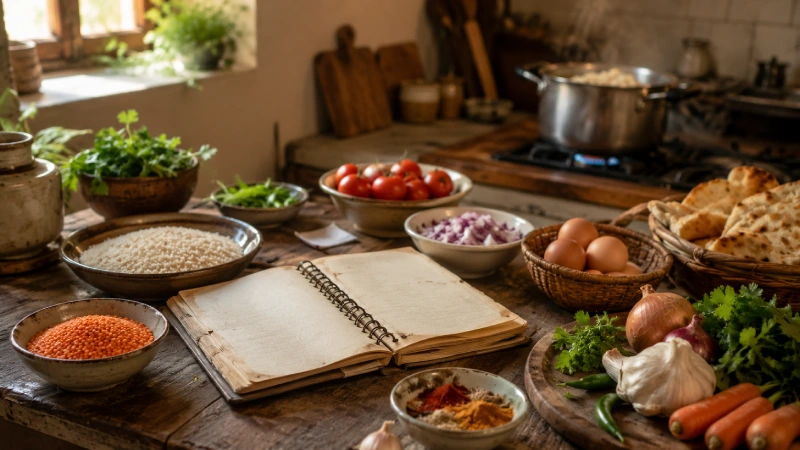
Many younger people are asking parents, grandparents, aunts, uncles, or older relatives how to make dishes they grew up eating. They are recording recipes, writing them down, saving voice notes, or filming kitchen moments.
This matters because recipes are not only instructions.
They carry family memory.
A grandmother’s soup, a father’s weekend breakfast, a mother’s pasta, a sibling’s quick snack, or a family’s holiday dish can hold emotional value that goes far beyond taste.
As lifestyles become more digital and fast-moving, these recipes help people feel rooted.
They remind people where they come from.
Home-Cooked Food Does Not Have to Be Perfect
One reason people avoid cooking is the pressure to make it perfect.
But home-cooked comfort food does not need perfect plating, expensive cookware, or advanced skills. It can be simple, imperfect, and still deeply satisfying.
A quick homemade meal is still meaningful.
It can be:
- Rice with a simple topping
- Toast with eggs
- Soup from leftover vegetables
- Pasta with basic sauce
- A sandwich made at home
- A bowl of noodles with vegetables
- A simple salad with bread
- Leftovers turned into a new meal
- A warm drink with a homemade snack
The goal is not to cook like a chef.
The goal is to make food that feels personal and comforting.
Homemade Meals Are Also Budget-Friendly
Another reason home-cooked comfort food is returning is affordability.
As living costs rise, eating out or ordering food regularly can become expensive. Cooking at home allows people to stretch ingredients, reduce waste, reuse leftovers, and plan meals more carefully.
This does not mean every meal has to be cooked at home.
But even cooking a few more meals each week can make a difference.
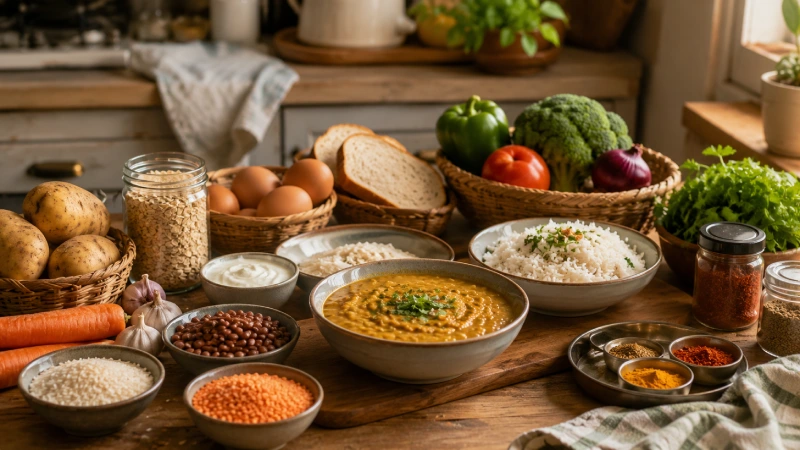
Budget-friendly comfort foods often come from simple ingredients: rice, lentils, beans, vegetables, eggs, bread, pasta, potatoes, oats, yogurt, spices, and seasonal produce.
These foods may not look glamorous, but they can create meals that are filling, nourishing, and emotionally satisfying.
How to Bring Back Home-Cooked Comfort Food
You do not need to cook every meal from scratch to reconnect with homemade food.
Start small.
Try these simple habits:
- Cook one comfort meal each week
- Ask a family member for one recipe
- Prepare a simple soup, stew, pasta, or rice bowl
- Keep basic pantry ingredients at home
- Make tea or coffee slowly instead of rushing
- Eat one meal without your phone
- Recreate a childhood dish
- Turn leftovers into a quick meal
- Cook with someone when possible
- Keep one easy “tired day” recipe ready
The idea is not to reject modern convenience.
The idea is to make space for food that feels emotionally nourishing.
The Bigger Picture
The return of home-cooked comfort food is not just a food trend.
It reflects a larger cultural shift.
People are tired of constant speed, constant consumption, and constant performance. They want small moments that feel real. They want food that does not need to be posted to be valuable. They want meals that comfort the body and the mind.
Fast food will continue to exist because convenience is part of modern life.
But home-cooked food is returning because people are remembering something important:
A meal can be more than quick.
It can be caring.
Final Thoughts
Home-cooked comfort food is becoming aspirational again because it offers something fast-food culture often misses: emotional connection.
In a world built around speed, delivery, trends, and convenience, simple homemade meals feel warm, grounding, and deeply personal. They carry memories, family stories, cultural roots, and a sense of care.
A bowl of soup. A plate of homemade pasta. A simple rice bowl. A warm stew. A slice of bread with butter. Tea in a familiar cup. These foods may not look luxurious, but they can make life feel softer.
And maybe that is why people are returning to them.
Because sometimes, comfort is not found in the newest restaurant or the most viral dish.
Sometimes, it is found in the meal waiting at home.