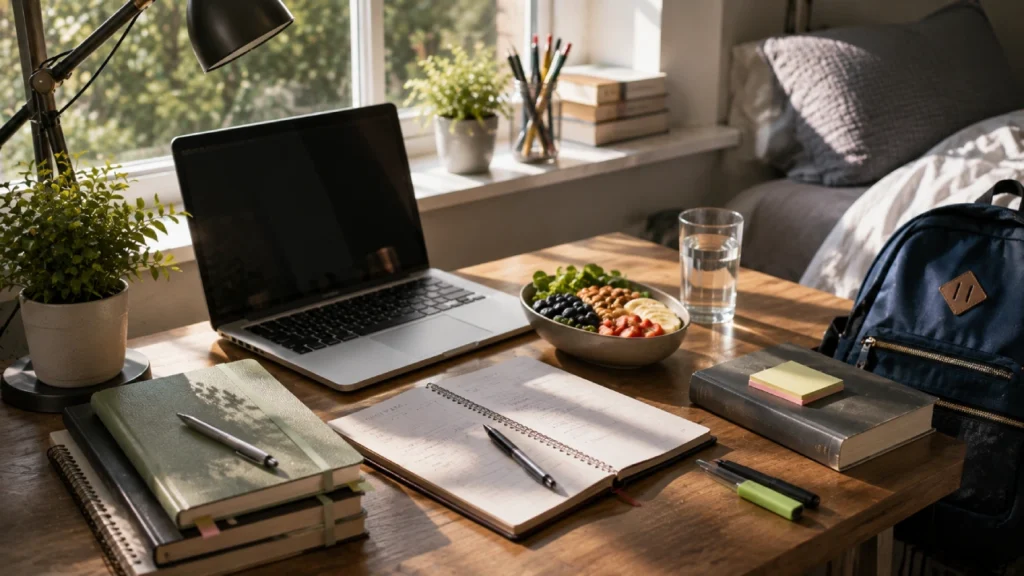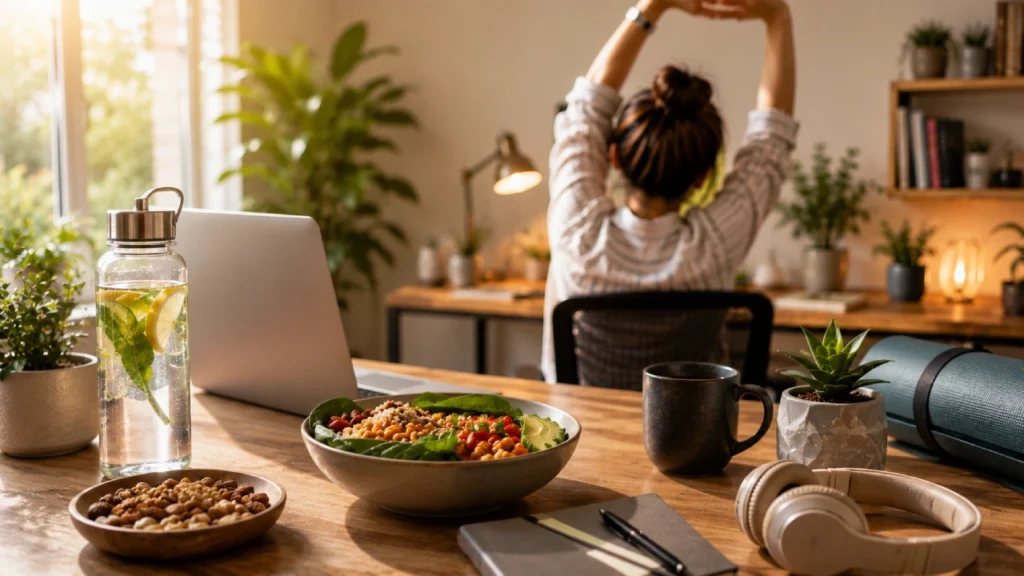

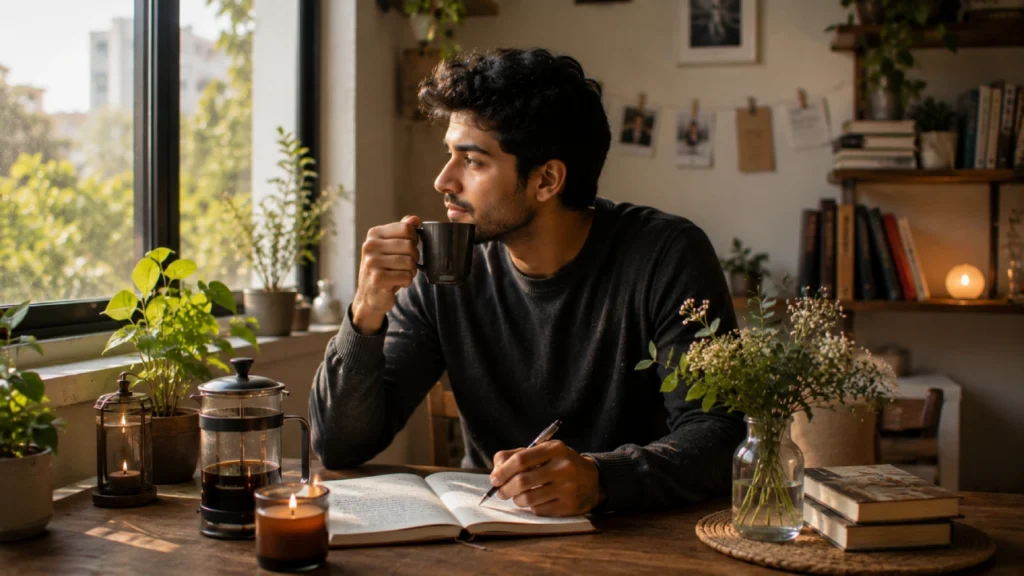
The Rise of Everyday Aesthetics: Not that long ago, lifestyle goals usually meant something flashy. Dream homes, high-priced vacations, designer wardrobes, and those extravagant experiences were everywhere on social media feeds and in ads. Success looked loud, visible, and usually expensive. But now, a different kind of aspiration is starting to show up.
A tidy coffee corner. A handwritten journal page before bed. Fresh flowers in a simple vase. A curated playlist drifting in the background while dinner is heating up on the stove.
Those things might feel plain, but for millions of people they have become something more. Like, deeply meaningful. Across social media platforms, lifestyle blogs, and online communities, people are increasingly romanticizing the normal.
This isn’t always about spending more money or chasing perfection either. Mostly it’s about finding beauty in routines that maybe would have passed by unnoticed. From morning coffee rituals to evening candle-lighting habits, the rise of everyday aesthetics points to a broader wish to slow down, set intentions, and reconnect with simple pleasures rather than rushing through them.
What Are Everyday Aesthetics?
Everyday aesthetics is when people treat daily life as if it has style, rhythm, and value, even in the smallest moments. It’s less about making everything fancy, and more about noticing the details.
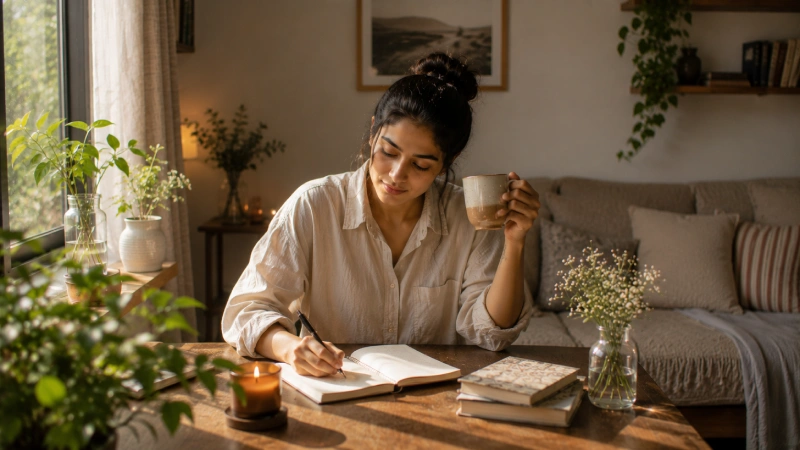
Like how a cup looks, how a page feels, the mood of a song, or the calm of a lighted candle. It can also involve little choices like picking a specific journal, consistently arranging flowers, or turning a small chore into a routine with a certain vibe. Making ordinary experiences feel more intentional, enjoyable, and visually pleasing- that’s the whole idea. Unlike those more traditional “luxury” lifestyles, everyday aesthetics is more about the stuff that is already baked into daily life, just noticed a bit more.
So it tends to show up in small actions, like maybe making a cozy reading corner, or using that one favorite mug for morning coffee, and then decorating workspaces with plants (yeah, even if it’s only 2 of them), keeping a handwritten journal, arranging fresh flowers at home, building playlists for different moods, or lighting candles during evening routines.
None of these things are really brand new, right? What’s changed is the attention people now put into them. Instead of rushing through daily tasks, a lot of individuals are intentionally shaping routines that feel comforting, meaningful, and personal, like “this is mine” instead of “this must be done”.
The Influence of Slow Living
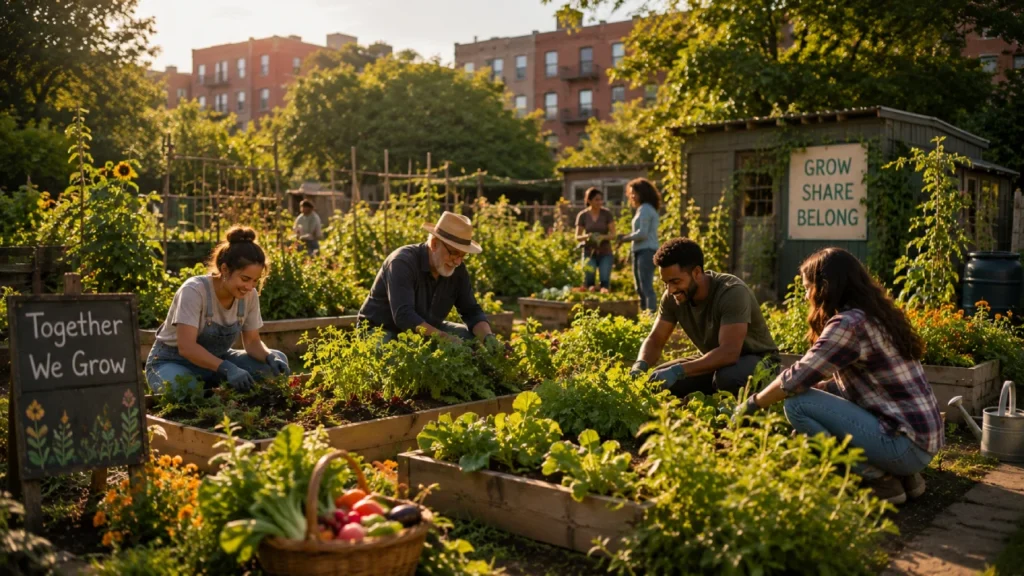
One big reason this shift is happening is the growing popularity of slow living. Slow living basically asks people to prioritize quality over speed, presence over productivity, and intentional experiences over constant busyness, even if that’s hard at first. For years, hustle culture pushed the idea that every moment needs to be optimized for achievement.
- Work harder.
- Do more.
- Stay busy.
But now a bunch of people are questioning whether constant productivity actually brings happiness. And that curiosity turns into real interest in slower, more mindful living. Making tea becomes a ritual instead of just a task. Writing in a journal becomes reflection, not another thing on a checklist, and even watering plants, that simple tiny chore, can turn into an excuse to pause and reconnect with the present moment.
Social Media Helped Popularize the Trend
Interestingly, social media has helped push this trend along. Places like Pinterest, Instagram, TikTok, and YouTube are packed with content that circles:
- Cozy morning routines
- Home café setups
- Reading journals
- Study aesthetics
- Seasonal home decor
- Wellness rituals
- Slow Sunday routines
The visual side of these platforms makes normal moments feel kinda aspirational. Like, suddenly, everything is part of a scene, a vibe. cup of coffee is no longer just coffee. It becomes part of a carefully crafted experience.ce Similarly, a playlist isn’t only background noise. It turns into a reflection of mood, persona, and identity. nd trends like “main character energy” plus “soft life” have pushed people to see themselves as involved participants in their own plot, not just drifting through daily obligations.
Why Small Rituals Feel So Comforting
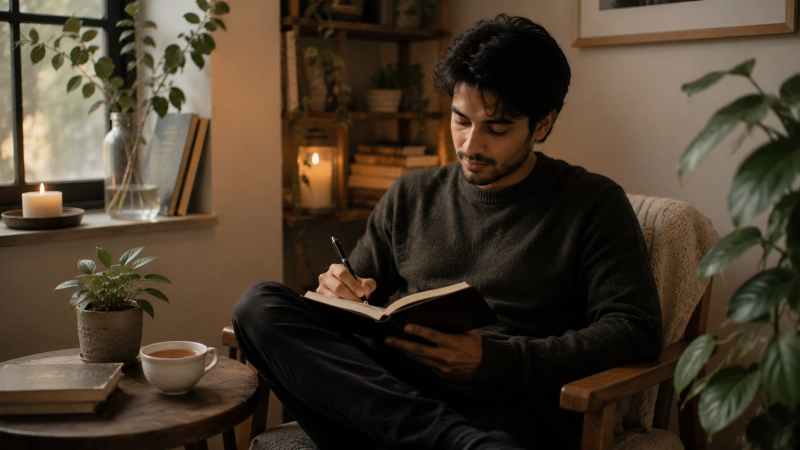
Psychologists have long recognized the value of rituals, too. Like habits, rituals carry a real emotional charge. They give structure, familiarity, and that quiet predictability. In a world that often feels wobbly, uncertain, and fast-moving, small rituals offer little pockets of steadiness. A morning coffee is prepared the exact same way each day. An evening skincare routine.Writing three thoughts in a gratitude journal before sleep, even if it’s late.
These things might look tiny, but they work like anchors in the day. Studies suggest rituals can reduce stress, support emotional regulation, and make people feel more in control. So it makes sense that many folks find comfort in seemingly simple activities.
The ritual itself starts to matter more than the task.
The Home Has Become More Personal Than Ever
Another reason everyday aesthetics is growing is the shifting role of the home. The pandemic basically changed how people use their living spaces. H mes became offices, classrooms, gyms, entertainment hubs, and social places. Lots of people started noticing how their surroundings influence their mood and well-being. Today, home personalization isn’t only about furniture and decor anymore. It’s grown, kind of quietly, into something bigger—people are shaping spaces designed around what they want to feel during the day.
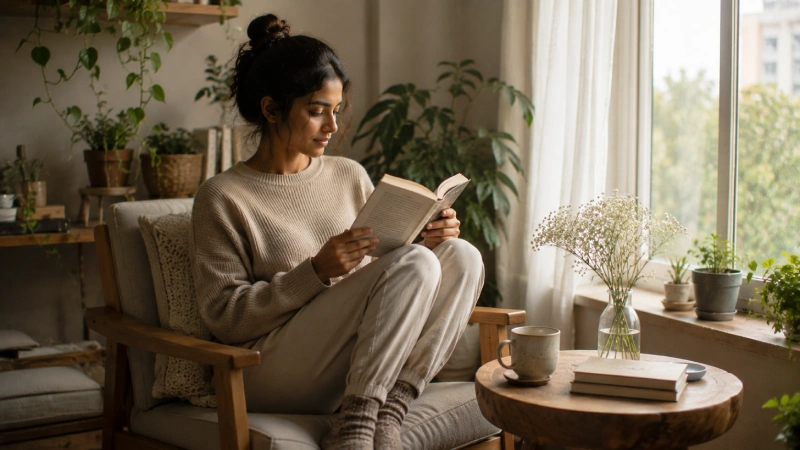
Like coffee stations that make mornings calmer. Reading nooks that invite slower attention. Meditation corners, where the air somehow feels softer. Creative workspaces, built for flow rather than just function. Even indoor gardens, in unexpected corners. Together, these small choices turn everyday chores into moments people actually look forward to, rather than just tolerate
Journals, Playlists, and Personal Identity
One interesting angle on everyday aesthetics is how closely it is linked to identity. Everyday objects and small rituals start to act like a kind of self-portrait, just without direct statements. journal doesn’t just hold words; it shows personal hopes and private themes. playlist becomes a map of feelings and remembered times. candle scent, even a simple one, creates a specific mood right away.
Conclusion
The growth of everyday aesthetics isn’t really about coffee corners, candles, playlists, or journals. Those are just the methods, and the bigger change is cultural. People are increasingly choosing to romanticize regular life, turning everyday routines into meaningful little rituals that bring comfort, identity, and emotional closeness. In a world that moves too fast, that part matters a lot.
This shift is also being powered by more and more talk about mindfulness, slow living, and mental well-being. Instead of waiting for vacations, promotions, or some big milestone to feel happy, many people are starting to notice that joy is hiding in small, deliberate moments that pop up all day. Like brewing coffee in a beloved mug, watering plants before work, listening to music while cooking, or doing a quiet evening walk.
Those things don’t really get treated as plain chores anymore, more like chances to pause and come back to what is happening right now. nd honestly, these little rituals give a feeling of steadiness in an increasingly unpredictable world, so people can build routines that feel personal, not just productive. Over time, they turn into signs of who someone is too, showing individual values, tastes, and what actually matters most.
Even if each moment looks minor on its own, together they shape a way of living that leans on presence, gratitude, and emotional well-being, showing that meaning is often crafted through steady, everyday experiences instead of extraordinary events.