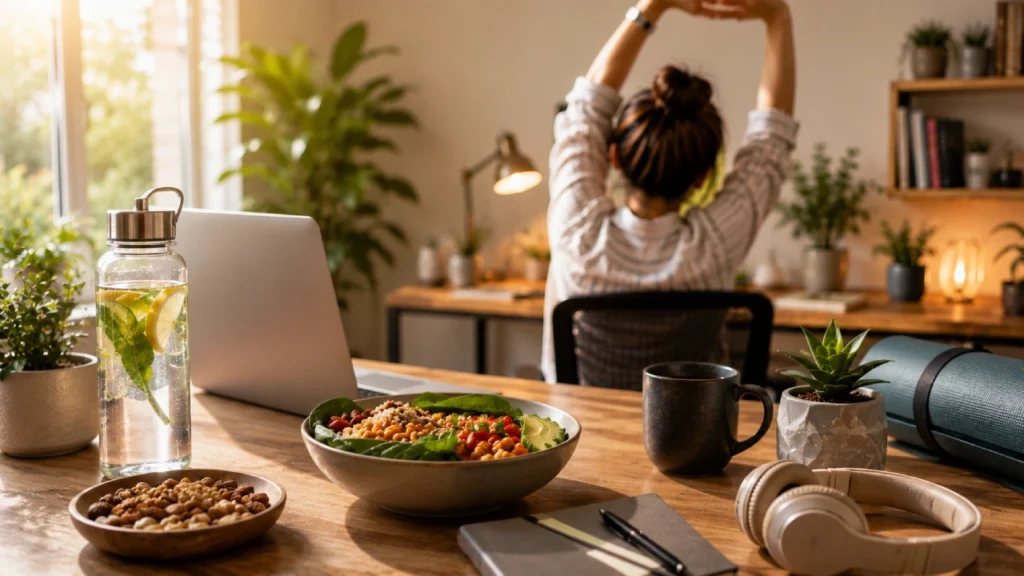


In a world of nonstop online sales, influencer picks, and “must-have” products, shopping feels both easier and way more overwhelming than it should be. Every scroll brings another device, skincare item, home accessory, or wellness product that says it will change your whole life overnight.
Still, a lot of people end up realizing that buying more doesn’t always equal living better. Like somehow you end up with bags, clutter, and that short-lived buzz. The real secret to smart shopping in 2026 isn’t simply cutting spending. It’s learning how to spend intentionally, and yeah, not just buying “because it’s on sale.” The idea is to put money into things that bring comfort, protect your health, help you get more done, boost confidence, and generally improve the way you move through each day.
At the same time, avoid purchases that just add mess or deliver only temporary excitement. So here’s a no-nonsense sort of map for what’s worth buying, what is usually safe to skip, and what should be upgraded if it’s been holding you back.
Buy: Products You Use Every Day
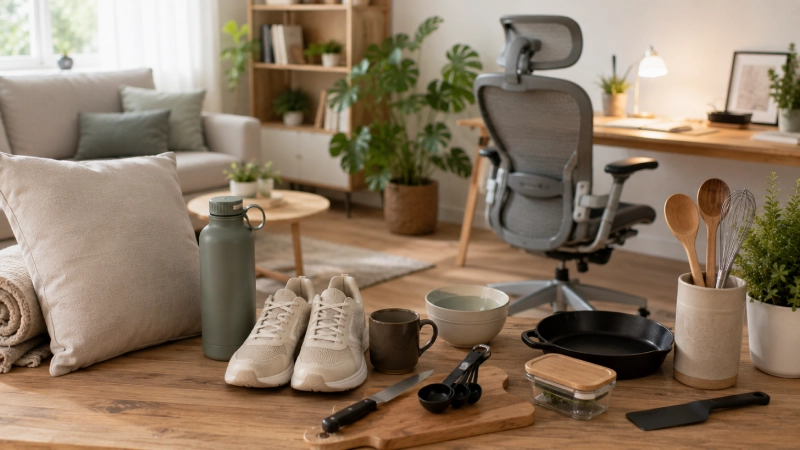
One of the easiest rules of smart shopping is prioritizing items that actually touch your routine. If you use something daily, choosing better quality often pays back over time. This usually covers mattresses, pillows, office chairs, water bottles, kitchen tools, and footwear.
For instance, a supportive mattress can improve sleep quality, which often improves energy, and yeah, overall wellness. Same idea with shoes: when they’re comfortable, they reduce day-to-day aches and support long-term physical health. When a product is subpar,r meaning it breaks fast or feels annoying day after day, that’s usually a sign it’s not just “personal preference”. It’s your time and body paying the price.
Skip: Things You Don’t Use Much
Not everything needs to live in your home forever. A lot of “smart” buys are really just impulse purchases wearing a familiarity of your everyday routine; durability and comfort end up mattering more than chasing the cheapest option that looks good for a second.
Skip: Trend-Driven Purchases
Social media keeps tossing new trends at you; they feel important right in the moment. Then, somehow, they fade out. Whether it’s a viral kitchen gadget, a beauty tool that everyone suddenly has, or a decorative item pushed by influencers, a lot of trend-based buying loses its charm within weeks. Before buying anything just because it’s popular, ask a simple question like “Will I still use this in six months from now?”If your answer is sort of shaky or you’re not sure, it might be smarter to wait. Usually the urge to own the thing cools down once the whole trend buzz disappears.
Upgrade: Your Sleep Environment
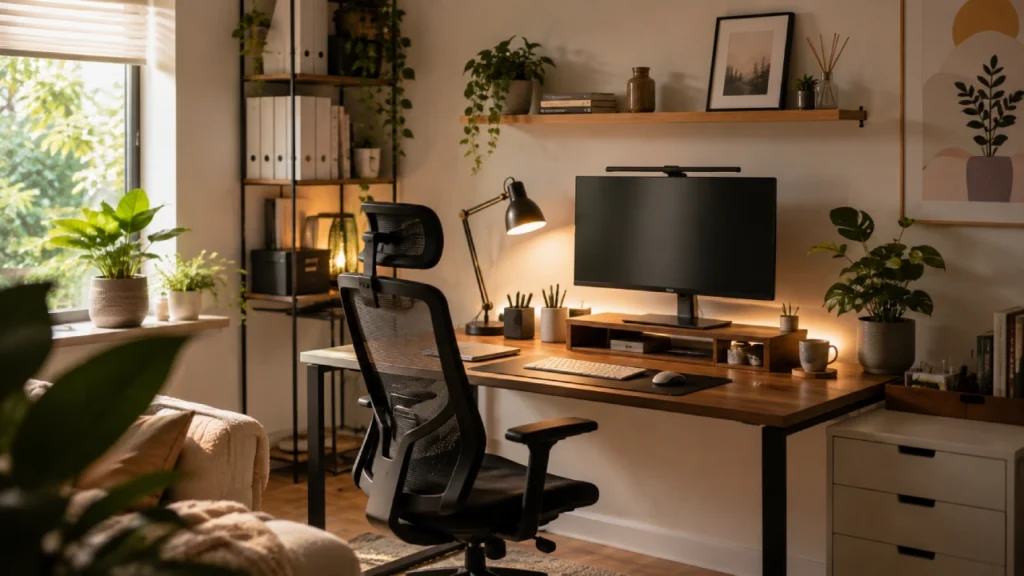
If there’s one area that deserves extra care,e it’s sleep. Modern life is getting busier, more stressful, and screen-heavy. Better sleep has basically become one of the highest value investments a person can make. Upgrades you might actually consider include :
• A solid mattress
• Supportive pillows
• Blackout curtains
• Breathable bedding
• A bedside lamp with warm light
Individually, ly these changes can feel minor, but together they can really improve sleep quality and day-to-day well-being.
Buy: Wellness Products That Support Habits
The best wellness buys help you stick with habits you already have. Not some unrealistic fantasy version of yourself. A reusable water bottle makes hydration easier. Resistance bands make at-home movement more doable. A yoga mat, well, it turns “maybe later” into “let’s go now”.
Meanwhile, pricey equipment often ends up collecting dust when it depends only on motivation, instead of fitting into routines you already live with. When you’re judging wellness products, look for the simple test: do they make healthy behaviors easier to do, and more convenient?

Skip: Excessive Skincare and Beauty Collections
The beauty industry drops countless new products each year, but honestly, more items do not always mean better outcomes. Dermatologists will often say something along the lines of simple, steady skincare routines, rather than getting this huge pile of overlapping products.
Like, instead of grabbing every new serum or treatment you see online, it helps to stick with a few essentials that actually fit your skin type. A smaller set of products that you use consistently is often more effective, and yeah, much more economical too, than constantly chasing fresh releases.
Upgrade: Items That Save Time
Time is basically one of the most valuable resources now. So when a product can really save time, it may offer benefits way past just convenience. Think about things like robot vacuum cleaners, fast chargers, meal-prep containers, solid kitchen appliances, and smart home lighting.
These improvements cut down everyday friction, and then you can redirect that energy toward work, hobbies, family, and rest. When you are weighing a purchase, try not to look only at the price. Also think about how much time the product might save across months or years, not just today.
Buy: Home Comfort Essentials
People are spending more time at home than ever before, so comfort-based purchases are starting to feel a lot more worthwhile. Items like ergonomic chairs, supportive cushions, air purifiers, desk organizers, and good lighting can seriously change how your day feels. Unlike decorative impulse buys that look nice for a second, comfort-focused products affect the flow of a space and how it functions day to day. The point is not luxury just for luxury’s sake. It is more like building an environment that supports productivity, relaxation, and overall well-being.
Skip: Duplicate Purchases
One of the most common shopping mistakes is buying multiple versions of the same thing. A lot of people end up with several notebooks, different water bottles, handbags, skincare products, or electronic accessories while regularly using just one or two. Before making a purchase, it helps to check if an existing item already does the same kind of role. Avoiding duplicates can reduce unnecessary spending a lot, without giving up convenience too much.

Conclusion
The smartest shoppers are not always the people who spend the least. They are the people who spend with a reason, and not just because something looks appealing.
By investing in items that increase comfort, wellness, productivity, and daily flow while also dodging trend-driven buys and unnecessary duplicates, consumers can shape a lifestyle that feels richer without constantly spending more. In a world of endless options, smart shopping is basically about understanding what truly adds value and what is just noise in your cart.