
Highlights
- Soft luxury is replacing status-driven spending with comfort, quality, and personal well-being.
- Consumers are investing more in cozy homes, timeless fashion, and meaningful experiences.
- Self-care, digital detoxes, and wellness routines are becoming modern symbols of success.
- Slow travel and intentional living are reshaping how people define luxury and happiness.
Luxury had once been synonymous with prominent logos, flashy shopping bags, or showing off the lifestyle of a certain privileged minority online. An increasing number of people are gravitating towards a quieter yet sophisticated form of luxury—one that is akin to comfort and quality and is modern, with a special focus on emotional well-being. This modification is commonly referred to as ‘soft luxury’ or ‘quiet luxury.’
Instead of spending on showy and striking luxury items that are indicative of a certain status symbol, consumers in this segment are choosing to invest their funds in cozy and inviting housing, comfortably chic fashion, mindful routines, leisurely planned tours, and travel. This shift shows consumers are much more focused on purchases that will significantly amplify their standard of living over the course of the longer term. In today’s fast-paced world plagued by burnout, commotion, and the pressure to be perfect imposed by curated digital realities, this version of luxury feels personal, practical, and deeply comforting.
Comfort Has Flourished Into The Next Status Symbol
For decades prior, luxury was associated with exclusivity, inaccessibility, and visual prominence. Luxury items were usually watches, bags, clothing, automobiles, and an exclusive culinary palette, accompanied by lifestyles to represent the success of the individual. Today, consumers of soft luxury are redefining what success looks like.
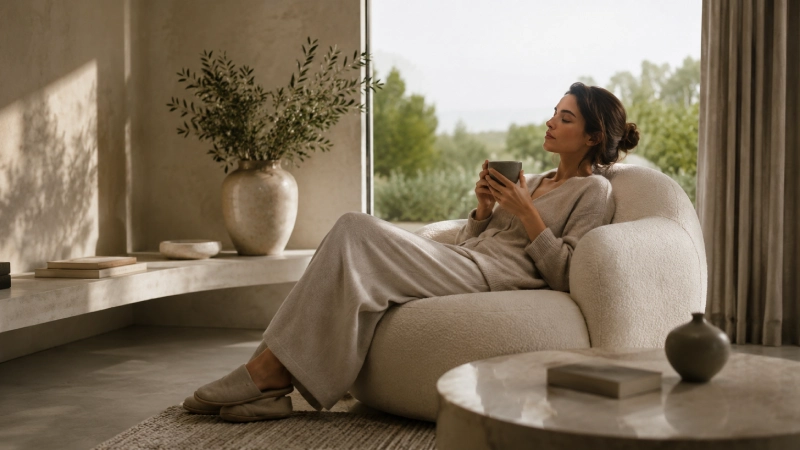
As opposed to splurging on products that may be impressive to others, luxury has shifted to a more individualist mode. Consumers are now gradually asking, “Will this improve my daily life?” Research on modern luxury behavior indicates consumers are prioritizing benefits, quality, and the ability to cater to meaningful experiences over flaunting their wealth.
A house that feels like home with comfortable bedding, personalized furnishings that help in the creation of the day, a weekend is gaining gelot more traction, as a weekend getaway trip of luxury has hints at aspirational branding with a focus on investing in oneself and in items that serve the long-term course of life. This shift is prominent, especially among the younger generation, who are much more open to embracing a calmer and simpler life, focusing on work-life balance and personal well-being.
Homes Are Becoming The Ultimate Luxury Hub
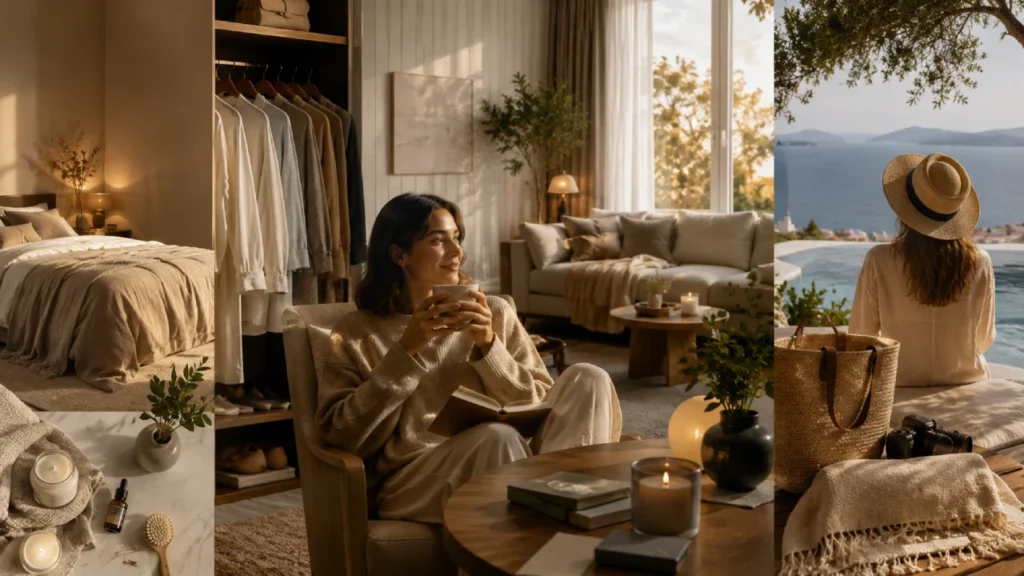
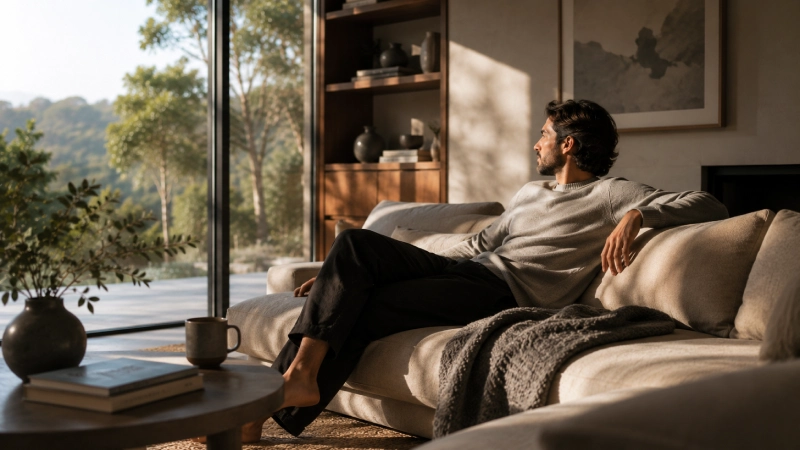
One of the clearest indicators of soft luxury has to be the overarching focus on making houses feel like homes. People are spending hefty amounts to make their spaces harmonious and snug. Interior trends now favor warm lighting, neutral colors, and earthy elements, designed to evoke an aura of intimacy and tranquility.
Design experts call this the creation of emotional nurturing spaces that support deep rest and peace.
The following simple changes are part of this trend:
- Soft cotton bedsheets layered with blankets
- Warm lamps instead of harsh white lighting
- Minimal cozy furniture with clean finishes
- Scented candles, essential oil diffusers, indoor real as well as fake plants
- Comfortable corners for reading, journaling, enjoying music, playing instruments
A premium estate is no longer about having a massive space and a large number of home decor items. It is all about creating a home that is functional, timeless, durable, and a flourishing sanctuary.
Relaxed And Understated Fashion
Showy fashion has transformed into artful elegance and comfort. The rise of quiet luxury has noted a remarkable shift in preference from obvious exquisiteness to subtle yet standardized luxury. Consumers prefer timeless, lasting clothing items that can be worn on various occasions over heavily branded ones. Consequently, high-quality fabrics ornamented with clean and minimal designs are now trending.
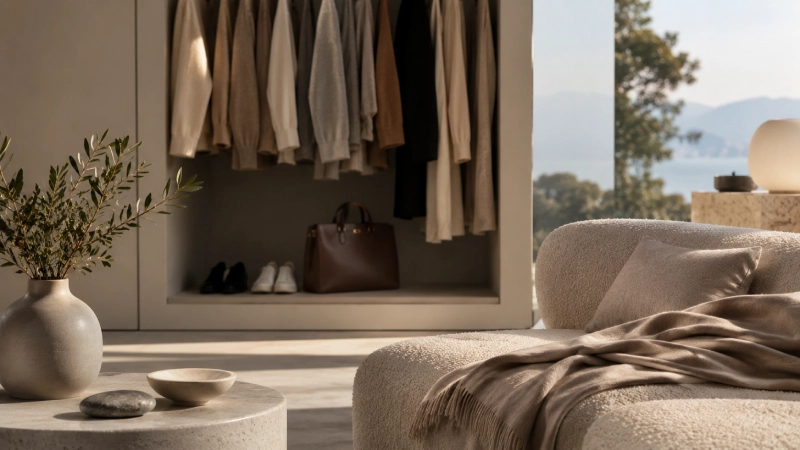
The factor of comfort is playing a major role in fashion choices. This can be seen in the prevalence of oversized t-shirts, baggy bottoms, relaxed tailoring, and comfortable footwear as everyday essentials, even in the luxury segment.
The appeal lies in simplicity, well done. A classic white shirt, which has been well-tailored and precisely stitched with bottoms that are properly fitting and sleek, is becoming the type of sophistication that is gaining attraction. Furthermore, a broader shift towards intentional spending can be assessed.
Self-Care As A Non-negotiable Priority
Soft luxury is closely connected to personal well-being. Instead of spending only on keeping up with external appearances, it is preferably invested in keeping oneself up to date through a healthier, emotionally balanced, and quieter life.
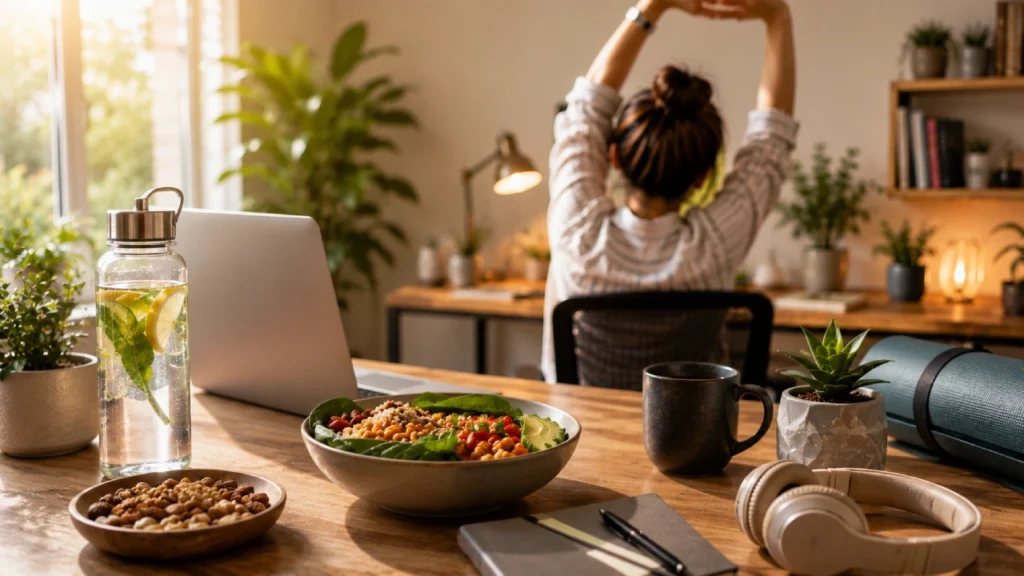
Small routines now carry a status signal of the elite aesthetic indicated in the following habits :
- Slow, customized skincare routines
- Morning walks without phones or workouts at the gym
- Journaling or reading before bed
- Herbal teas and nourishing, balanced meals, organic food products
- Pilates, yoga, Zumba, and other varieties of workouts
- Digital detox evenings
- Intentional reduction of screen time
While these habits are not necessarily expensive by themselves, the time required to sustain them as a part of everyday routine in the present economy surely is. Their primary benefit is the creation of a sense of emotional richness, intentional awareness, stability, and agency in one’s life.
Consumers are increasingly associating luxury with a feeling rather than a particular brand or possession of something tangible. In this digital age, maintenance of privacy is also seen as an important aspect of luxury where digital exposure does not override the safety of personal data and the security of sensitive information.
An End To Expedite Travel Itineraries
Travel habits are changing too, owing to soft luxury. Traveling is no longer a means to cover as many sites as possible but to enjoy a slower, more meaningful pace of the journey over the destination.
Soft luxury travels may constitute the following components:
- Authentic stays and urban sanctuaries with peaceful, clean, well-decorated interiors
- Nature-focused stays and sites
- Wellness retreats, spas, and massages
- Quiet cafes and immersions in local experiences
- Fewer destinations with longer stays
This reflects a cultural movement towards deliberate, proactive choices rather than going overboard.
Conclusion
Soft luxury, through trivial subtleties, establishes a new way of life, redefining the existing understanding of what it means to be successful, happy, and also how to look the part. Inviting spaces, fashion that never goes out of style, mindful routine, and intentional allocation of funds towards meaningful purchases are now much more valuable than mere status symbols. In many ways, today’s luxury can be defined using three words: simplicity, quality, and welfare.