


Decluttering therapy: Most people have experienced it, at least once.You end up spending hours cleaning your room, aligning shelves, folding clothes, tossing old receipts, and then wiping down surfaces that have been collecting dust for months. And by the time you’re done something feels off, in a good way.The room looks better, sure.But you often feel better too.That relief after the space is clear can be intense.
Many describe it as soothing, rejuvenating, and yeah, almost therapeutic. Some feel more driven. Others notice their worry level dipping. Tasks that felt like a mountain suddenly shrink to something like a reasonable hill. This is not just about what things look like.Psychologists have been looking at this for years, and the results tend to point in the same direction: our surroundings can nudge how we think, feel, and behave.
Also, the whole wave of decluttering, home organization, and minimalist livingisn’tt really just about tidy shelves or matching storage boxes. It hints at a bigger need: steadier calm in a world that never quite stops buzzing.
Why Clutter Feels So Mentally Exhausting: Clutter isn’t only physical.
It becomes psychological too, in a quiet way.
Every item in a room can start competing for attention, even when you’re not consciously focusing on it. Piles of laundry, unfinished projects, unopened packages, scattered paperwork, and crowded surfaces create this constant stream of visual information that the brain has to process, like without pause.
And over time, it can become mentally draining, kinda slowly; you notice it later. Researchers have found that cluttered environments may contribute to feelings of stress, distraction, and cognitive overload. When our surroundings feel chaotic, our brains often interpret that chaos as unfinished business. So you end up with a subtle but persistent sense of mental tension. A cluttered room can quietly remind us of tasks we haven’t completed, decisions we haven’t made, and responsibilities we are avoiding. Even when we try to relax, the space is still telling us there is work left to do, somehow still waiting there.

Cleaning Creates a Sense of Control
One reason decluttering feels so satisfying is that it restores a sense of control. Modern life can be unpredictable, like really unpredictable. Work pressures, financial concerns, social obligations, and all those nonstop digital notifications can create uncertainty, and it sticks.
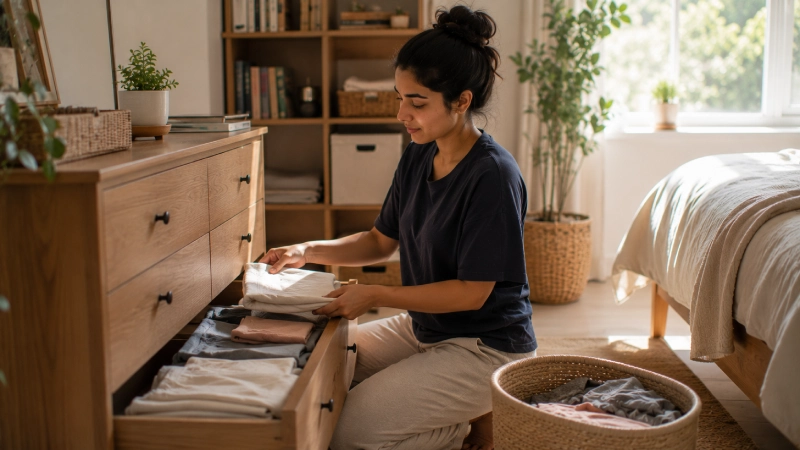
A lot of these stressors are hard to change right away.But a room… that is different. When we clean, organize, and rearrange our environment, we create visible evidence that we can improve something, even if it’s just a corner.That sense of agency matters more than people admit. Psychologists often mention how feeling powerless can raise stress and anxiety.
Taking action, even on something relatively small, helps reduce those feelings. Organizing a closet or cleanin g a desk might not fix the bi gger life problems, but it can act like a reminder that progress is possible. Sometimes, that nudge is enough to shift the whole mindset.
A Clean Space Can Improve Focus
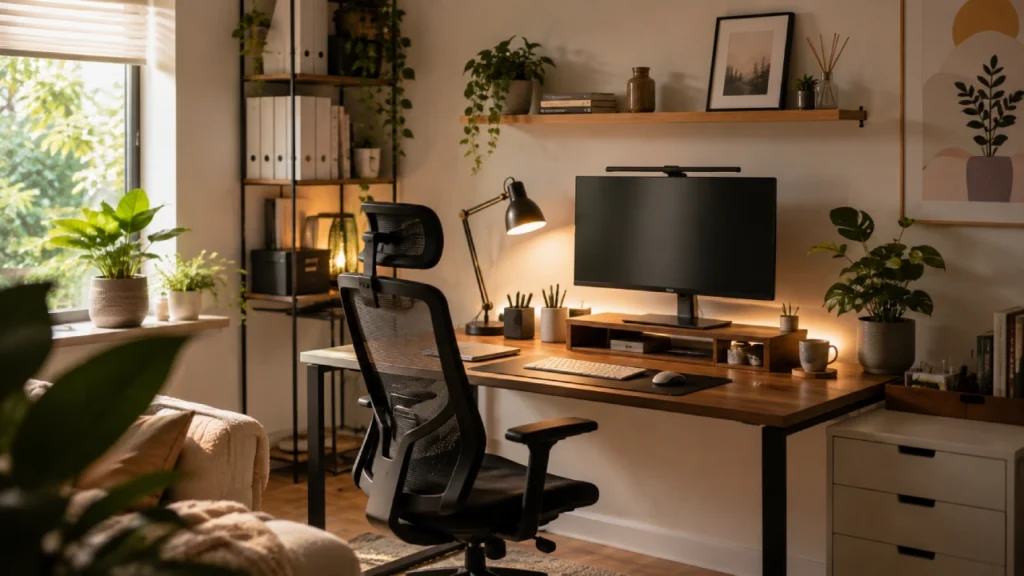
The link between organization and productivity is one of the most widely discussed advantages of decluttering. When a space is organized, fewer distractions are competing for attention. Like, you sit down, and the world stops bothering you. Imagine sitting down to work at two different desks.
One is covered with papers, cables, empty cups, and miscellaneous stuff. The other contains only what you need for the task at hand. Most people naturally find it easier to concentrate in the second environment, somehow. A clean space reduces visual noise and lets the brain direct more energy toward meaningful work.
This is one reason many professionals end up investing time in organizing their workspaces before beginning important projects. The whole environment then acts like a supportive instrument rather than undermining your focus.
The Emotional Side of Letting Go
Decluttering is not always easy, not even close. Many possessions carry emotional significance. Old gifts, childhood belongings, photographs, clothing, and souvenirs often represent memories rather than actual objects.
Letting go of these items can feel surprisingly heavy, almost like you’re detaching from the past. At the same time, releasing things that no longer serve a purpose can create a feeling of freedom. It’s kind of strange, but it happens . Many people discover that they have been carrying physical reminders of past identities, relationships, or aspirations long after those chapters ended.
Decluttering can become a way of acknowledging change. Like, instead of holding onto everything, people start deciding what truly matters, and what can be released.
This process often feels less like cleaning and more like quiet reflection.
Why Organized Homes Feel Calming
There is a reason luxury hotels, spas, and wellness retreats often emphasize clean and uncluttered spaces. Order tends to communicate safety and stability. When environments are predictable and organized, the brain spends less energy scanning for problems or processing unnecessary information.
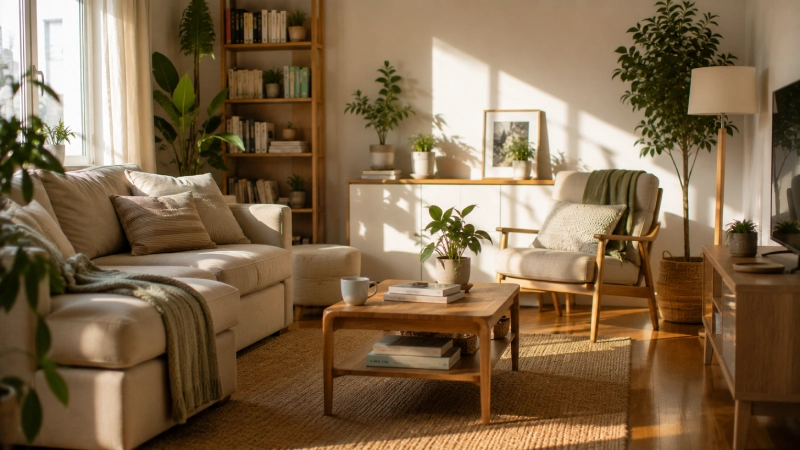
The result is a greater sense of calm. This doesn’t mean every home has to look minimalist or perfectly styled. Personal expression still matters in real life, not just in photos. The whole point isn’t perfect,n ot even close.What you want is an environment that feels supportive, instead of stressful. For one person, that might look like carefully labeled storage containers; for another, it could be as simple as clear surfaces and enough space to walk around comfortably.
And yeah, the “ideal” level of organization is different for everyone; it varies.
The Rise of Home Organization Culture
Decluttering has become way more popular over the last decade. Books, social media creators, professional organizers, and home improvement platforms have basically turned organization into a major lifestyle trend. A piece of that rise is tied to how people now think about wellness. More and more, people see that mental health is shaped not only by exercise, nutrition, and sleep. It’s also affected by the physical surroundings around us.
The pandemic made this awareness move faster. When homes became workplaces, classrooms, gyms, and places to meet others, many people noticed how much their environment really influenced the day, every day. So home organization changed; it stopped being only a practical task. It became a kind of self-care.

Conclusion
The link between a clean room and emotional well-being isn’t imaginary. Our surroundings influence how we think, where we focus, and how we feel in ways most of us underestimate, by quite a bit. Decluttering offers more than just visual satisfaction. It creates a feeling of control, lowers distractions, invites reflection, and helps reshape living spaces into places that support mental calm. In a world packed with constant noise, endless information, and always-on demands for attention, building order in our immediate surroundings can feel surprisingly strong, honestly.