

For most basketball fans, the NBA off-season feels like trade rumors, draft picks, free agency signings, and those social media highlights that pop up every other day, yet behind the headlines, it’s also the stretch of time where players do some really important work, not really by playing games but by rebuilding their bodies and minds, in kind of a low-key way.
Contrary to popular belief, pro athletes are usually not using the off-season as some super long vacation. Instead, they double down on recovery, mobility, nutrition, strength training, sleep, and mental wellbeing so they can handle the demands of an 82-game season.
The good part is that a lot of these habits are not reserved for only elite athletes. Fans might not have access to professional trainers or world-class recovery facilities, but they can still borrow many of the same principles to improve their own health, step by step.
From catching up on sleep to creating fitness routines that actually last, the NBA off-season gives pretty solid lessons for anyone trying to live a healthier lifestyle.
Recovery Is Treated Like Training
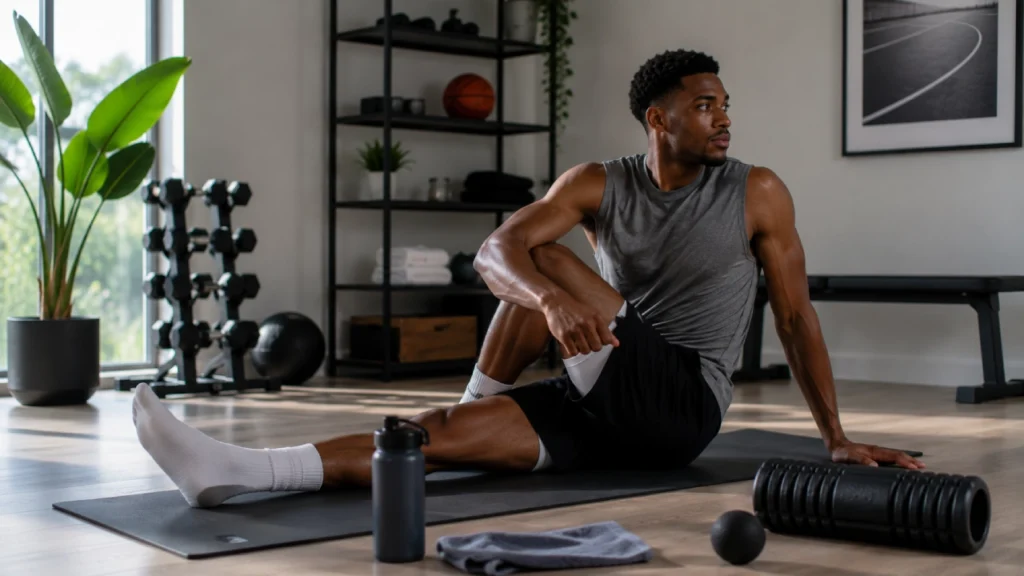
One of the most common fitness myths is that results only show up during workouts, like if you do not sweat you are not improving.NBA players know better. They view recovery as part of training, not an afterthought. After months of intense competition, the off-season gives the body a chance to heal from built-up fatigue, small nagging injuries, and that heavy muscle soreness that stacks up.
For most people, recovery can be pretty basic too, like taking real rest between workouts instead of going hard every day with no brakes.
Things like walking, gentle stretching, yoga, foam rolling, and mobility drills can help the body stay more flexible, and they also cut down on stiffness from sitting for long hours.
The takeaway feels simple: recovery is not laziness; it is a necessary part of long-term fitness, and it helps you keep showing up.


Sleep Turns Into A Tool For Performance
Sleep is one of those things that gets watched a lot in an NB player’s day-to-day routine.
Most pro athletes work alongside performance specialists who push for quality sleep, because it helps muscle repair, reaction timing, attention, hormone balance, and basically the whole physical output.
Sure, most people are not exactly training for NBA games, but solid sleep still matters for everyday wellbeing in a big way. Keeping a steady sleep schedule, cutting down screen time close to bedtime, avoiding caffeine later in the day, and making the bedroom a bit more comfortable can raise energy, sharpen concentration, and improve recovery more than people expect.
For many, wellness does not really start at the morning workout; it starts the night before, earlier, in a quieter sort of way.
Strength Training, For the Long Run
The NBA off-season is not just about getting strong; it’s more about staying strong.
Players think about building strength in a way that lowers injury odds and helps them last for years.
Instead of chasing the heaviest weights every single day, athletes often go with balanced strength training, mobility work, stability drills, and practical movement patterns.
Ifyou’ree new, you can borrow the same ideas with simple bodyweight moves, resistance band routines, yoga, and light dumbbells. Getting a yoga mat, a set of resistance bands, or even a couple of 2–5 kg dumbbells is usually plenty to start building capacity at home without paying for an expensive gym setup at all.
The goal is steady progress, not this sudden dramatic makeover.
Nutrition Is Built Around Consistency
Professional athletes don’t really bet everything on an occasional healthy meal; it’s more like their whole routine is steady, you know. Their nutrition is built on consistent habits that show up day after day.
Most meals usually have lean proteins, complex carbohydrates, vegetables, fruits, healthy fats, and proper hydration throughout the day. For everyday lifestyle, this doesn’t mean you have to follow some super restrictive eating plan.
Instead, a few small adjustments like adding more vegetables, choosing whole grains, getting enough protein, staying hydrated, and cutting down on heavily processed snacks can support better energy and overall wellness.
So instead of chasing a quick fix, long-term consistency stays as the real base for healthy eating.

Mobility Matters as Much as Strength
A lot of NBA players also spend a good chunk of the off-season working on flexibility and mobility. Mobility exercises help joints move well while also reducing stiffness, and yeah, the movement quality generally improves too.
For office workers, students, and other professionals who sit for long stretches, mobility work can be particularly useful; it’s kind of a quiet advantage. Simple stretches for the hips, shoulders, neck, hamstrings, and the lower back can ease discomfort that comes from prolonged desk time.
Even ten to fifteen minutes of stretching every day might help posture, flexibility, and general comfort, which is honestly the point.
Walking Is Underrated
Some professional athletes do crazy high-intensity workouts, but a lot of them also sneak in low-intensity moving around as part of recovery, you know, because it helps. Walking still feels like one of the most basic, and honestly most reachable, forms of training there is.
If fans want to get more active, then daily walking is easy to start with no equipment needed; you can tune the pace for your fitness level, and it backs cardiovascular health while also lowering stress. Like a steady thirty-minute walk can end up doing more for you over time than the rare, super intense sessions that are hard to keep up with.
Mental Recovery Is Getting Way More Attention
The talk about mental health has gotten more open in sports, and it seems like every season brings another example. A bunch of NBA players have spoken in public about stress management, therapy, mindfulness, and how crucial it is to protect mental wellbeing during those long, demanding runs.
That shift is a good reminder that wellness is not only physical stuff. Things like meditation, journaling, slow deep breathing, reading, going outside for a while, or even just taking short pauses away from screens can help emotional wellbeing. Resting the mind kind of deserves the same respect as training the body.

Small Daily Habits Create Long-Term Results
One of the most valuable lessons from professional athletes is that success is mostly built from routine rather than occasional motivation, you know, the kind that hits for a day or two. NBA players stick to structured schedules because consistency usually gives better results than chasing short bursts of enthusiasm. Fans can borrow the same idea through things that feel manageable, and not like some big overhaul.
Like walking most days of the week, stretching for 10–15 minutes a day, drinking enough water, and prioritizing seven to nine hours of sleep. Also preparing balanced meals, taking regular movement breaks during work, and exercising three to four times each week. None of these are extreme by themselves, but together they can lead to real, lasting improvements.
Wellness Looks Different For Everyone
It also helps to remember that professional athletes are training for elite performance, while most people want better health, more energy,y and an improved quality of life. When you compare your everyday routine with an athlete’s routine, it can start creating unrealistic expectations, even if you don’t mean it to.
So instead of copying exactly, the aim should be inspiration rather than imitation. Walking instead of sitting for hours, preparing healthier meals, stretching after work, sleeping consistently, or choosing recovery instead of overtraining are changes that actually fit most lifestyles.
Wellness should feel sustainable, not overwhelming.
The Off-Season Mindset Is Worth Adopting
Maybe the biggest lesson from the NBA off-season is that getting better doesn’t only show up when everything feels intense or under pressure. In those quieter months, players take the time to strengthen their bodies, recover properly, fix weaknesses, and plan instead of constantly being in that grind of competing. Honestly, that same way of thinking can work for anyone.
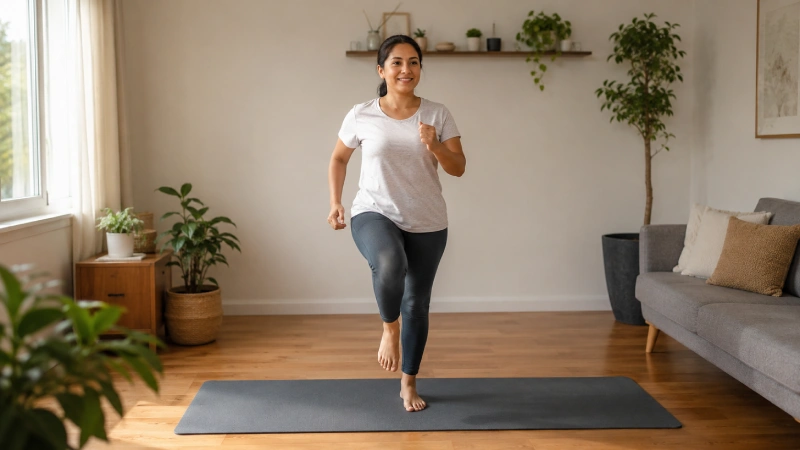
Rather than waiting on New Year’s resolutions, or jumping into one huge, dramatic fitness moment, it helps to use smaller windows of intentional self-care. Those little stretches of time can build real, healthier routines across the year. Progress usually doesn’t arrive loudly. It often happens in a low-key fashion, through steady habits that get repeated day after day.
Conclusion
The NBA off-season is way more than basketball. It feels like a steady reminder that recovery matters, sleep counts, nutrition plays a role, mobility is not optional, and mental wellbeing is part of performance too. Even though pro athletes have specialized coaching and advanced recovery tools, the core principles behind what they do are still reachable for everyone.
Making room for movement, eating more balanced meals, stretching often, sleeping well, and giving your body time to recover from effort are habits that help people at almost any age, and at any fitness level. For fans, the off-season brings more than the fun stuff like trades and draft news. It also gives a chance to re-think personal wellness by copying the basic routines that help elite athletes show up at their best.
Because healthier living doesn’t usually begin with a huge, extraordinary switch, it more commonly starts with small routines done consistently, one walk, one stretch, one balanced meal, and one good night’s sleep at a time.