
Wellness shopping list: Wellness is no longer stuck with gym memberships, pricey retreats, or those big ambitious New Year’s resolutions. Lately it’s showing up in regular shopping carts too, in a quiet way. From reusable water bottles and walking shoes to protein-rich snacks and everyday skincare essentials, people are making small but deliberate buys that back up healthier lifestyles. Instead of chasing dramatic change, many are going for things that blend naturally into daily life, and that gently encourage long-term wellbeing.
This shift is also tied to a bigger change in how wellness is understood right now. Rather than treating health like a finish line you reach via extreme diets or complicated routines, consumers are choosing habits that feel doable.
A comfortable pair of walking shoes may lead to more movement. A reusable water bottle might help hydration stay on track. A simple skincare routine can actually help with consistency more than shelves full of products.
For students, working professionals, homemakers, entrepreneurs, and families, wellness is becoming less about perfection and more about making everyday life a little healthier and a little less difficult.
Here are some of the products that are showing up more and more on the modern wellness shopping list.
Smart Water Bottles and Hydration Essentials
Hydration has become one of the most discussed wellness habits in recent years.
As people learn more about how water intake supports energy, digestion, focus, and overall well-being, they start investing in better hydration tools. Insulated stainless steel bottles, larger capacity tumblers, and smart bottles that monitor water intake have become pretty popular.
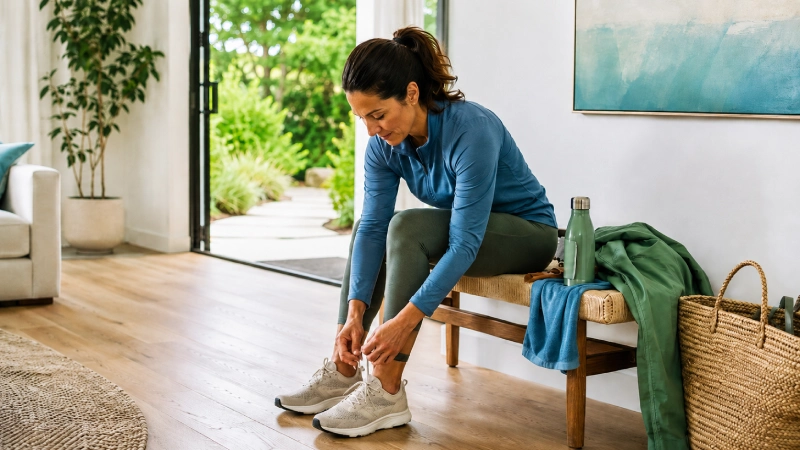
Brands like Milton, Borosil, Cello, Boldfit, and The Better Home offer hydration options that look good and work well, which makes it easier to keep up with regular hydration without turning it into a whole project.

Walking Shoes Are Turning Into a Wellness Must-Have
One of the biggest shifts in modern fitness culture is the growing appreciation for walking; it sounds simple, but it changes everything. Instead of putting all attention on intense workout routines, more people are going with daily walks as a realistic and easy kind of movement. That’s why there’s more demand for comfortable walking shoes that give support without feeling too “athletic” or pushy about it.
Brands such as Skechers, Campus, Puma, Adidas, Reebok, and ASICS are offering options that seem made for walking, long commutes, and everyday step after step. The rise of walking also fits into a wider wellness mindset that values steadiness more than dramatic intensity. Usually, a comfortable pair of shoes helps people keep going with healthier habits better than pricey fitness equipment that ends up unused.
Protein Snacks for Busy Lifestyles, Not Just for the Gym People
Protein-rich foods are getting more attention from consumers who want to support energy levels, fitness goals, and balanced nutrition in general. But the modern interest in protein is not only tied to gym culture anymore. Students, working professionals, and busy families are now actively looking for convenient snacks that can keep them going through the day, kind of like a calm fuel refill.
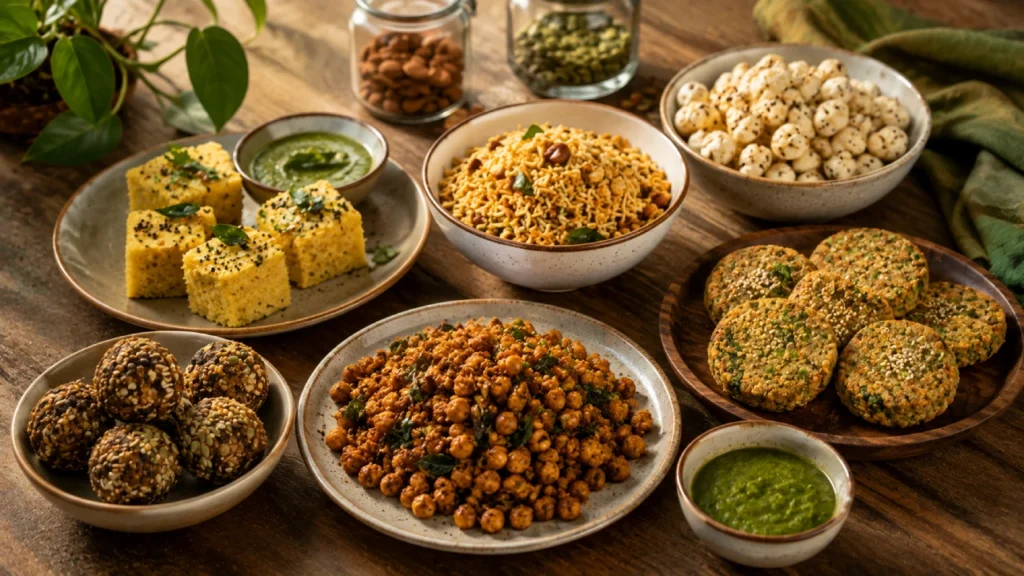
Protein bars, roasted chickpeas, makhana, trail mixes, peanut butter sachets, protein cookies, and high-protein yogurt are becoming regular items in shopping lists. Brands like Yoga Bar, The Whole Truth, RiteBite Max Protein, Eat Better, Open Secret, and Happilo have also gained traction by offering snack choices that fit modern schedules and on-the-go routines.
People are paying closer attention to ingredient lists too; they want lower sugar and ingredients that actually feel recognizable or normal, not a weird jumble of stuff you can’t pronounce.
Yoga Mats and Home Fitness Accessories
The growth of home workouts has changed wellness shopping habits in a pretty big way. A lot of people now want flexible training routines, something that can slide around work hours, family responsibilities, and the day-to-day obligations. Because of that, yoga mats, resistance bands, dumbbells, stretching straps, and foam rollers became pretty normal wellness buys.
Yoga mats, more specifically, remain one of the most versatile wellness items; they help with yoga, stretching, meditation, Pilates, and also bodyweight workouts without much fuss. Brands like Boldfit, Strauss, Amazon Basics, and Lifelong usually land well for shoppers who want something affordable, and they work for both beginners and experienced users.
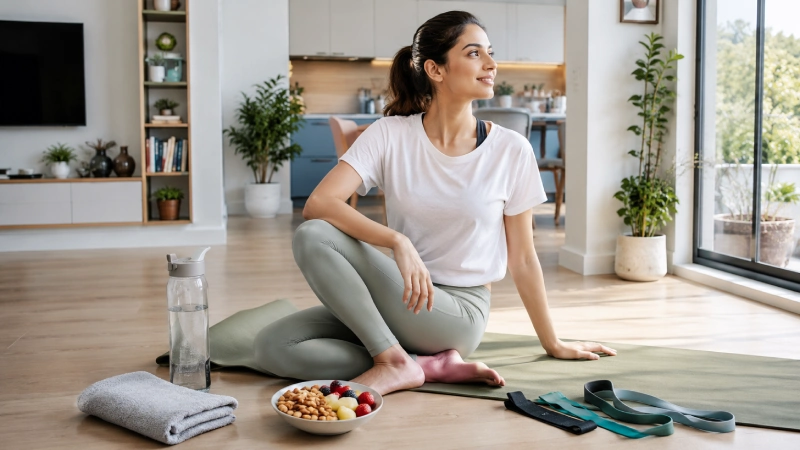
What makes them attractive is the accessibility. A basic yoga mat can make the feel, honestly, more manageable to weave into normal daily life.
Skincare Basics Are Replacing Complicated Routines
The beauty side is doing something similar; it’s moving toward practical wellness rather than complicated steps. Instead of buying big stacks of skincare products, many consumers prefer simpler routines, more about ongoing care and healthier skin overall. Gentle cleansers, moisturizers, sunscreen, and a few targeted treatments now replace long routines built around constant experimenting
Brands like Cetaphil, CeraVe, Minimalist, Simple, Dot & Key, and Deconstruct have been getting attention because they focus on skin barrier support and on straightforward routines.
This pattern also shows a growing awareness that healthy skin often comes from consistency, not from using too many products at once.
Sleep Products Are Jumping Into the Wellness Conversation
Sleep is getting talked about more and more as one of the core pillars of health.
As people become more tuned in to sleep quality, consumers are starting to invest in things that help build a cozier evening routine. Eye masks, supportive pillows, blackout curtains, aromatherapy sprays, and weighted blankets are showing up a lot more in wellness shopping carts too.
Instead of seeing sleep as just passive recovery, many people are now treating it like an active wellness routine. It shows how wellness is slowly widening, not only exercise or nutrition, but also rest and recuperation.
Wellness Shopping list: Journals and Mental Wellness Tools
Mental wellbeing is also turning into a bigger factor in what people buy. Guided journals, gratitude notebooks, planners, coloring books, mindfulness cards, and habit trackers are getting more popular with individuals who want to lower stress and sharpen self-awareness.
A lot of consumers like these tools because they invite reflection and focus, without needing a huge budget. And yeah, a simple journal can help with goal setting, gratitude routines, emotional processing, and daily organization, so it ends up being one of the measiest-to-accesswellness buys around.
Supplements: a Growing Category With Some Real-World Considerations
Supplements still feel like one of the fastest-growing areas in wellness, at least from what you see around you. Multivitamins, vitamin D, oomega-3products, probiotics, protein powders, and electrolyte supplements are getting more visible in pharmacies and on online marketplaces. Still, experts keep saying the same thing: supplements should rather complement a balanced diet, not fully swap it out. As you know, the foundation matters.
Nutritional needs aren’t the same for everyone. Age, health status, lifestyle, and even the way someone usually eats can shift what “helpful” really means.
Disclaimer: In an ideal world, supplements should be taken only with professional medical or nutritional guidance. Buying and starting something on your own, without really understanding individual needs, may not bring any benefits, and in some cases it can be kinda unsuitable.
What’s encouraging is that this awareness is making people think about supplements more carefully, not like they are instant wellness solutions you take and forget.
Wellness Is Becoming More Practical
Maybe the most obvious change in modern wellness shopping is how practical it feels. People are increasingly picking products that support everyday habits, instead of chasing an aspirational lifestyle; rather than buying things that promise a dramatic, almost immediate transformation, they are choosing tools that make healthier choices easier- you know, more doable.
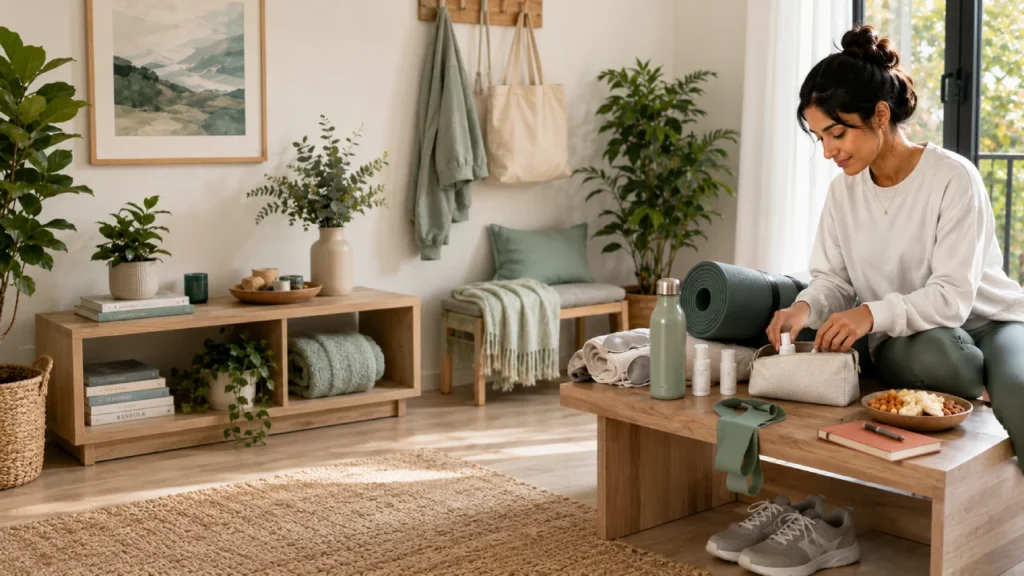
A reusable water bottle helps you stay hydrated. Walking shoes nudge movement. A yoga mat supports exercise. Better snacks make nutrition less complicated. A journal helps with mindfulness.

Individually, these might seem small, but together they add up. They shape routines you can actually keep, day after day.
And this practical vibe feels especially relevant now, when a lot of people want sustainable wellness habits, not temporary fixes.
Conclusion
The modern wellness shopping list really shows a broader cultural drift toward healthier living, not from one big moment but from small, steady habits that kind of stack up. Instead of hunting for perfection, people are crafting daily routines with products that help with hydration, movement, nourishment, restful sleep, skin care, and emotional balance.
Smart bottles, walking shoes, protein snacks, yoga mats, basic skincare supplies, sleep necessities, and wellness journals are turning into regular little companions. They make it easier to keep healthy practices going, even when the day gets busy.
And as wellness keeps moving forward, the best buys may not be the priciest ones. Often they’re the items that quietly support better choices every single day, without asking for attention.
Maybe the biggest takeaway of modern wellness is this: healthier living usually isn’t built by dramatic changes. More often it starts with small decisions, repeated consistently over time, like a simple rhythm you can actually stick with.