
Football Fan Culture : The sport reaches past the pitch. Football lasts because of the people around it, the memories formed there, and the traditions built over time.
A football field is just a pitch. Still, the sport shows up everywhere else in real life. You can spot it in corner cafés, busy living rooms, schoolyards, public squares, and on streets where people wear the same colors. The match clock says 90 minutes, but the mood starts earlier and does not end when the whistle goes. That is the part that makes fan culture stand out.
In different countries, supporters show love for the game in their own ways. Some belt out songs from the club, while others work on planned displays. You might see huge banners, bright flags, or people walking in groups toward the stadium. In some families, kids grow up with the same team talk. In other cases, two strangers link up fast, just because they are back in the same club or the same country.
FIFA has called football a global ecosystem. It puts the number of fans at roughly five billion. Many fans choose a local club, a national side, an international club, or even a specific player to follow. Even if the customs look different, the main feeling does not. Football gives strangers a reason to connect.
Football Fan Culture: The Game Starts Before The Whistle
For a lot of fans, the main event is not only the kick-off. A football weekend can begin with a quick catch-up at the usual café. Then there is the trip to the ground with friends. People bring the same scarf they always wear. They hum along to the songs. They talk about who might start in the lineup, hours before the players step out.
Those small habits build excitement. In places where football is rooted in daily life, matchday can turn into a common weekly get-together. Some families watch together the same way each week.
Other groups plan to meet in the same spot every weekend. The routine is the pull. Backing a team is more than one match on a screen. It slips into ordinary days.
Football Chants Can Turn A Noisy Crowd Into One Shared Voice
People who have never met still sing the same lines. They clap in step. They react at the same moments as the game moves.

Chants do more than fill the air. They can boost a player. They can push a side forward. They can also show what a club means to its supporters. Some are meant to make you laugh. Others hit harder and feel more personal. Many connect back to local roots.
At the 2026 FIFA World Cup, Norway’s well-known “Viking Row” stood out. Fans swung their arms together like they were pulling a boat. All of it happened while they kept time with the chant. What started in the stands soon showed up elsewhere. You could spot it outside venues, and even in Times Square.
The French supporters had their own version. They kept a steady clapping pattern in sync. It showed how a basic beat can draw a group into one shared moment.
Club Loyalty Can Turn Into Family Tradition
Many fans learn their team from older relatives.
A kid might sit through games with a parent or grandparent and see the same colors week after week. That first shirt, the first trip to the ground, or the first shared kickoff can feel like a family milestone.
After a while, the club starts to feel like part of who the family is. Football helps this happen because it keeps giving chances to meet up and talk about the same thing. A parent and child can keep discussing the team for years. They may cheer for wins side by side and later go to games together as adults. Over time, the club gets woven into the family’s own story.
The Stadium Feels Like A Comfort Spot
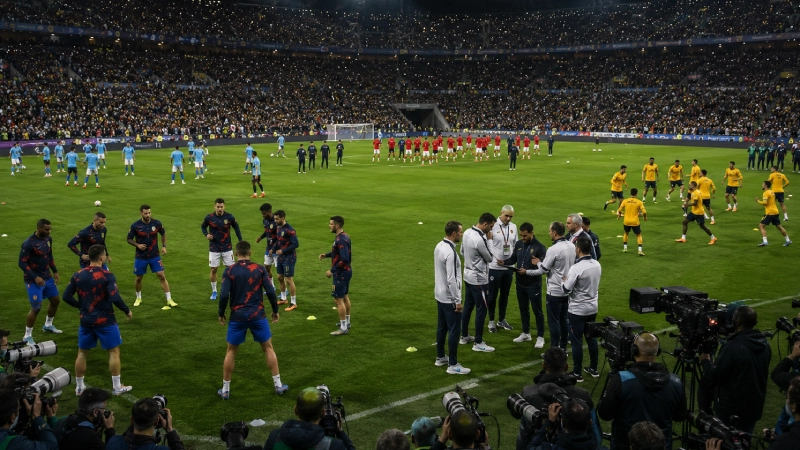
A stadium is built for sport, but supporters often treat it like something warmer. The same faces can be in the same areas for match after match.
People notice each other, talk before kick-off, and form real friendships. Some fans even pick up habits that show up again from season to season.
You can see this when a goal goes in.
For a short moment, the crowd acts as one.
They jump, yell, embrace, and celebrate as a group. That burst does not last long, but the feeling can stay for years.
Football Fans Take Their Culture Along
A lot of supporters bring their habits with them when they travel. It is not just in the stadium. It shows up in the streets too. The Oranje Bus is a good example. It is linked with Dutch fans. It has been to several World Cups over many years.
In the 2026 World Cup, Dutch supporters used it again during a fan walk. People sang, moved to the music, and cheered as they went.
These moments suggest that football fandom does not stay put. When someone travels, they still keep their football self. They bring their songs and colors. They bring flags and old rituals too.
That can lead to real contact between groups from different places.
Rivalry Can Sit Next to Respect
Football is competitive by nature. Rivalry is part of how the sport feels. Fans might heckle a rival team. They might sing louder in the same direction. They might push hard for their own side. At the same time, fans can build ties with others. This happens when people share the same love of the game.
During the 2026 World Cup, French and Norwegian supporters showed this well.
Their teams played against each other.
Still, their supporters chanted together before kickoff. They also celebrated in a friendly way.
FIFA said the two groups stepped away from rivalry to enjoy football together.
The match brings tension and drama. Yet shared passion can help people connect, even if the final score decides nothing about the bond.
Fan Parks move football past the stadium
Football today is not only for people who hold a match ticket. Fans can gather in public areas and watch big games as a group. These spots let many supporters take part in major tournaments at once.
The 2026 FIFA World Cup showed how big this can get. More than 9 million people went to FIFA Fan Festival events in 13 host cities. Those cities were in Canada, Mexico, and the United States.
Across these sites, all 104 matches were broadcast. Alongside the games, there were live music, shows, and local cultural events.
In these places, the street becomes a short-lived football hub. You do not need to know the people next to you.
You share one thing right away: the match itself.
Footballers and Music Sit Side By Side
Music has long been part of football life. Fans link songs to clubs, national sides, tournaments, and even certain age groups. A tune can bring back a memory of a match from years ago. At the 2026 World Cup, FIFA pointed to this in practice . They noted songs like Oasis’ “Wonderwall” for England. They also cited “Take Me Home, Country Roads” for the United States. Thousands of fans sang along and helped shape the mood of the event. Music gains strength when people join in. A match can feel like it is happening to you. Singing together asks you to take part, so it feels different.
Food And Matchday Go Together
Fans care about what they eat and drink before games, during games, and after the final whistle.
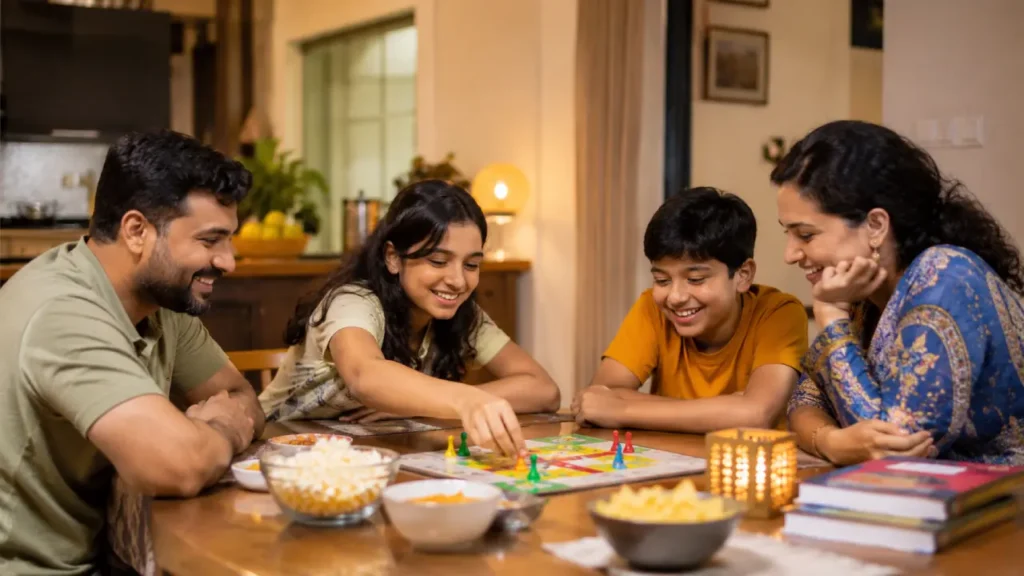
In some places, people grab food from street stalls. Elsewhere, they stop by a small café. Some families sit down for a proper meal. Others trade snacks with friends at home while the match plays on the screen.
It helps turn the game into an event. For a family in India watching a night match, dinner can feel like part of the day. In another country, fans might meet at a local eatery, then head to the stadium together. The exact plan varies, but the idea stays steady. Football gives people a reason to meet up.

Social Media Turned Fandom Into Something Global
Now supporters do not need to live near each other to feel close. A fan in India can keep up with a club in England. They can also chat with someone in Brazil. Soon after a goal, they might even see a reaction from a person in Japan.
FIFA set up its Fan Movement to bring supporters together across regions. Members trade stories and views. They also share football stuff even when they are far apart.
This shifts what “belonging” looks like. You can feel part of a wider group even when you are watching a match a long way from the ground.
Distance does not end the feeling.
Match Days Now Move in two paths: Physical and Digital Divide
Some people watch online. Others go out and link up in person. A fan spots the game with friends.
Soon after, they share a clip or a quick thought.
Then the feed keeps going. They scroll, join a chat, and come back the next day. Edits and memes show up all the time now. Tactics talk and reaction clips land in feeds fast.
Still, being there in person is different. You walk into a room, and it sticks with you. A screen never fully matches that . There is also the noise. You hear the chants. You see the crowd shift together. You can tell when many people share the same moment. That lift is hard to redo elsewhere.
Football Feels Personal
You feel close to people you do not know. In a stadium, it can hit quickly. You can get it at a fan park. You might feel it in a small café or even at home.
When people are back in the same club, it feels simple. Wearing the same shirt can make you feel less alone. Even if you have never met a soul there. As life gets more private, that comfort can matter more.
Final Thoughts
Football supporter culture changes from place to place, yet the core feeling stays the same. I n one country, people sing one set of chants and carry certain banners. In another, they pick other colors and keep other habits. Some fans pack big stadiums. Others sit in small cafés or on a couch at home. Even with all that variety, the center stays the same. The match feels stronger when people share it.
The 2026 World Cup showed this in many ways. There were Norway’s Viking Row events. There were Dutch fan walks. There were huge gatherings and open-air festivals. There were also quick meet-ups between supporters from different nations.
The match is played by 22 people on the field. Still, the real meaning comes from far more than those players. That is why it feels like we all belong to it. It is not only what the scoreboard says. It is the singing, the new friendships, the routines, the stored memories, and the groups that form around the game.