
Highlights
- Intentional indulgence is about enjoying small comforts with awareness and balance.
- Little treats like coffee, fresh bedsheets, books, candles, or quiet walks can soften daily stress.
- Consumers are becoming more selective, choosing practical comfort over loud luxury.
- Treating yourself can become a wellness habit when it stays mindful, planned, and budget-friendly.
Life has felt heavier for many people over the past few years.
Everyday costs have gone up. Groceries, rent, energy bills, transport, education, eating out, and even simple weekend plans often require more planning than before. After years of inflation, financial uncertainty, burnout, and pressure to spend wisely, many people have become more careful with money. But the need for comfort has not disappeared. Instead, it has changed.
People are no longer always looking for big, expensive luxuries or impulsive shopping moments. Many are now choosing smaller, more thoughtful treats that make ordinary days feel softer and easier to manage. A favorite coffee before work. Fresh bedsheets after a tiring week. A quiet café visit on Sunday. A nourishing meal after a stressful day. A small skincare product. A cozy blanket. A solo walk. A book. A movie night at home.
These little moments may not look luxurious in the traditional sense, but they offer something deeply valuable: emotional relief. This is the rise of intentional indulgence. It is not about careless spending. It is about treating yourself in small, mindful ways that support your emotional well-being.
What Is Intentional Indulgence?
Intentional indulgence means allowing yourself small comforts with awareness, balance, and purpose.
It is different from impulse buying. Impulse spending often happens quickly and emotionally. You buy something because you are bored, stressed, influenced by social media, or looking for a temporary escape. Later, it may lead to regret or guilt.
Intentional indulgence is more mindful. It asks: “Will this small treat make my day feel better without hurting my budget?”
That question makes all the difference.

Intentional indulgence can be as simple as buying good coffee once a week, ordering dinner when you are exhausted, choosing a comfortable pair of shoes, taking a slow lunch break, or upgrading one small thing in your home that you use every day. The goal is not excess. The goal is emotional balance.
Why Small Joys Matter More Now
Modern life leaves very little space to pause.
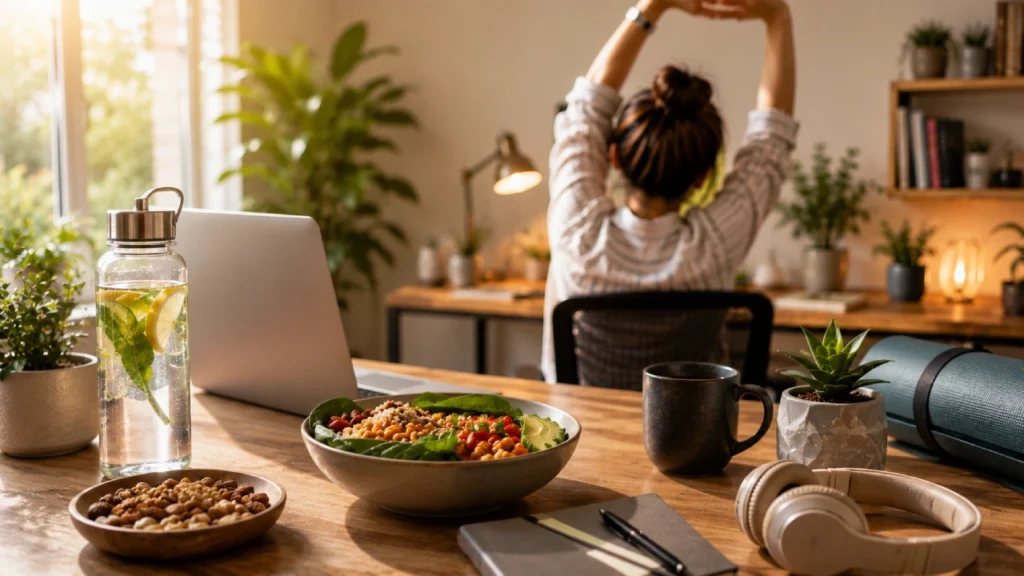
Working professionals deal with long hours, deadlines, traffic, meetings, emails, and constant notifications. Students move between classes, exams, assignments, screen time, and uncertainty about the future. Homemakers manage endless responsibilities that often go unnoticed. Entrepreneurs face financial pressure, unstable markets, decision fatigue, and the expectation to always stay productive. When life feels this demanding, small comforts begin to matter more.
A student buying a favorite snack during exam season may simply be trying to make a stressful day feel lighter. A homemaker choosing a better kitchen tool, warm lighting, or fresh flowers may be creating a small pocket of ease inside a busy routine. A working professional spending on comfortable shoes, skincare, or food delivery after a long day may be choosing recovery over more exhaustion. These are not dramatic lifestyle changes. They are small acts of care that make daily life feel more manageable.
Treating Yourself Is No Longer Just About Luxury
For a long time, treating yourself was often linked to luxury shopping, expensive holidays, designer items, or highly curated experiences. But that idea is changing.
Today, many people are moving away from loud luxury and choosing comfort that feels personal and practical.
A quiet night at home can feel more restorative than a packed social event. Comfortable clothing can feel more valuable than a trendy outfit. A clean and cozy room can bring more satisfaction than decorative items bought only for appearance. This does not mean people no longer enjoy beautiful things. It means they are becoming more selective. Instead of asking, “Will this look impressive?” people are asking, “Will this improve my real life?” That is why small, meaningful indulgences are becoming part of modern wellness.
The Rise of Little Treat Culture
Little treat culture has become popular because it reflects how people are trying to find balance in difficult times.
When big financial goals feel harder to reach, small joys can create a sense of control and comfort. A small treat does not solve every problem, but it can create a pause in the middle of a stressful routine.
Examples of intentional little treats include:
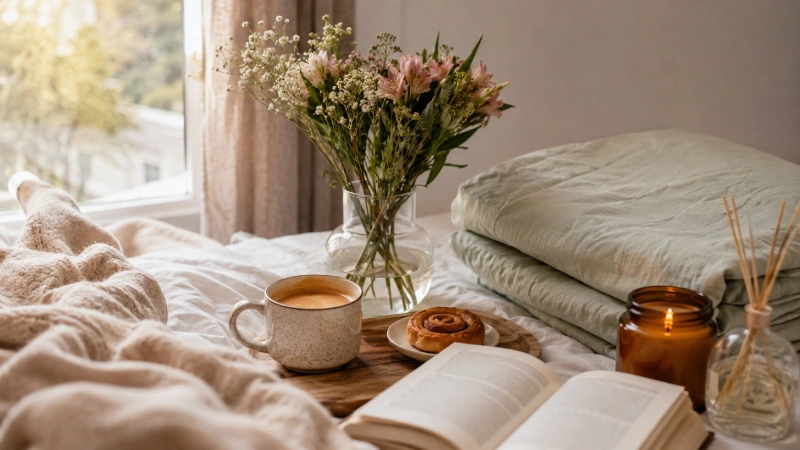
- A favorite coffee once or twice a week
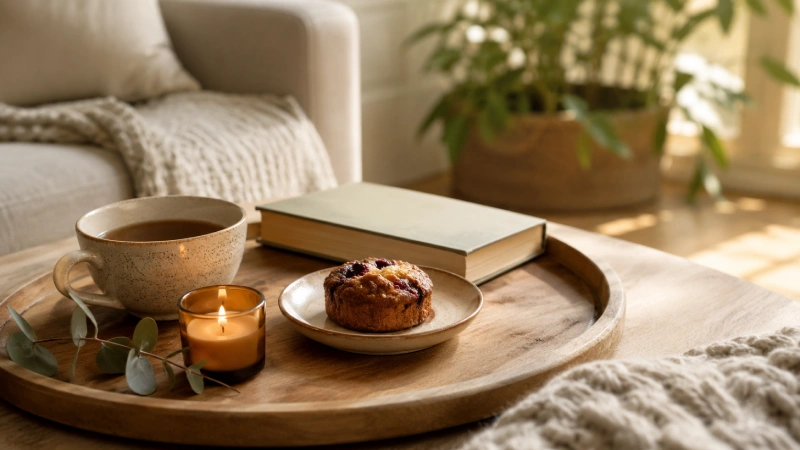
- A pastry after a long workday
- A quiet solo lunch
- A movie night at home
- New stationery before exams
- Fresh bedsheets
- A small bunch of flowers
- A relaxing skincare product
- A comfortable everyday outfit
- A calm evening without cooking
- A short local outing
- A book, candle, or room fragrance
These treats are small enough to be realistic but meaningful enough to bring emotional comfort.
The important part is awareness. Intentional indulgence is not about spending without limits. It is about making space for joy without creating financial stress.
Wellness Is Becoming More Emotional
Wellness used to be strongly connected to discipline. Wake up early. Exercise hard. Eat perfectly. Follow strict routines. Improve yourself every day. But modern wellness is becoming softer and more realistic. People are beginning to understand that emotional comfort is also part of well-being. Rest, convenience, sleep, good food, calming spaces, personal time, and small joys all play a role in how people feel.
For a homemaker, wellness may mean buying something that reduces physical effort at home. For a student, it may mean taking a break without guilt. For an entrepreneur, it may mean stepping away from work pressure for an hour. For a working professional, it may mean paying for convenience after a mentally draining day.
For a parent, it may mean enjoying a quiet cup of tea before the household becomes busy. For an older adult, it may mean choosing comfort, routine, and small pleasures that bring peace. Wellness is not only about productivity anymore. It is also about protecting your energy.
Comfort Is Becoming a Smart Investment
Many people are now spending more thoughtfully on things that improve everyday comfort.
This includes:
- Better pillows
- Quality mattresses
- Comfortable shoes
- Supportive chairs
- Soft home lighting
- Skincare basics
- Healthier food
- Practical kitchen tools
- Cozy home textiles
- Noise-reducing headphones
- Simple wellness products
- Clothing that feels good on the body
These choices may seem ordinary, but they can have a direct impact on daily life.
A good pillow can improve sleep. Comfortable shoes can reduce strain. Better lighting can make a home feel warmer. A supportive chair can make work easier. A calming skincare routine can create a sense of personal care at the beginning or end of the day.
This is why comfort is starting to feel like a sensible investment. People are not always chasing perfect lives. They are trying to build gentler routines.
The Difference Between Intentional Indulgence and Overspending
Intentional indulgence works best when it stays balanced.
Treating yourself should not become an excuse to ignore your budget or avoid financial responsibilities. The goal is to enjoy small comforts without creating bigger stress later.
A healthy approach is to set simple limits.
You can decide:
- How often you will buy small treats
- How much you can spend each week or month
- Which indulgences genuinely make you feel better
- Which purchases are only emotional reactions
- What you can enjoy without guilt
- What you should pause before buying
This makes the habit more sustainable.
For example, buying your favorite coffee every Friday may feel joyful and affordable. Ordering expensive takeout every night because you are overwhelmed may eventually create stress. The difference is not the item itself. The difference is intention, frequency, and financial comfort.
A mindful treat should feel good before and after you buy it.
Why People Are Choosing Small Joys After Inflation Fatigue
Inflation fatigue has changed the way many people think about money.
When prices keep rising, people naturally become more cautious. They compare costs, delay big purchases, cut unnecessary spending, and think more carefully before saying yes to plans.
But constant restriction can feel emotionally draining.
If every purchase feels guilty, life can start to feel heavy. That is why small, planned indulgences have become so important. They allow people to feel a sense of pleasure without losing control.
A small treat can say:
“I am being responsible, but I still deserve comfort.”
That emotional balance matters.
It helps people avoid the extremes of careless spending on one side and joyless restriction on the other.
Simple Ways to Practice Intentional Indulgence
Intentional indulgence does not need to be expensive.
Here are simple ways to bring it into daily life:
Choose one weekly treat
Pick one small thing you genuinely enjoy, such as coffee, dessert, flowers, a book, or a quiet meal.
Upgrade something you use every day
Instead of buying many random items, improve one daily comfort, like a pillow, water bottle, towel, lamp, or pair of shoes.
Spend on rest, not only appearance
Choose things that help you sleep better, relax more easily, or feel less overwhelmed.
Create a comfort ritual
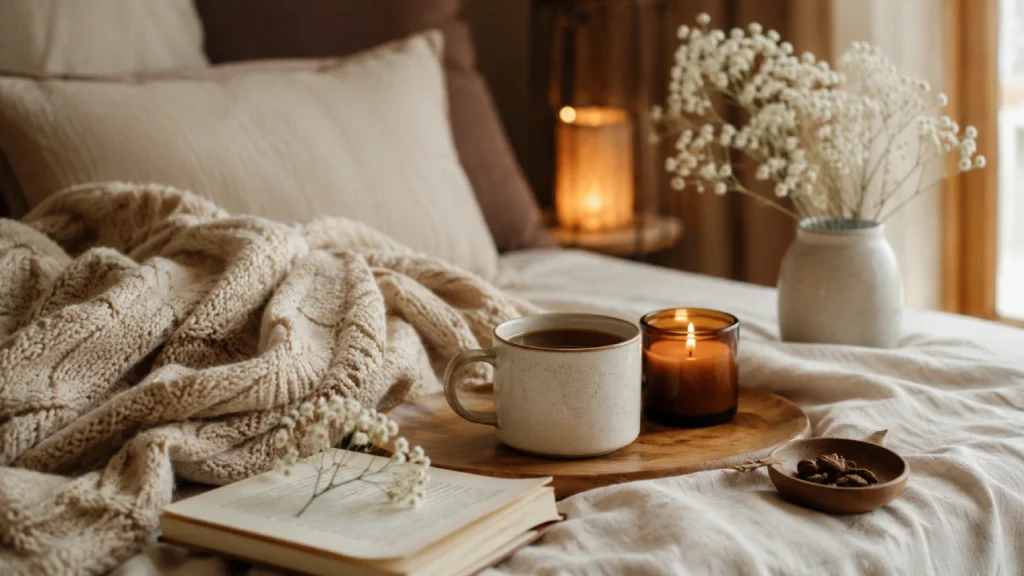
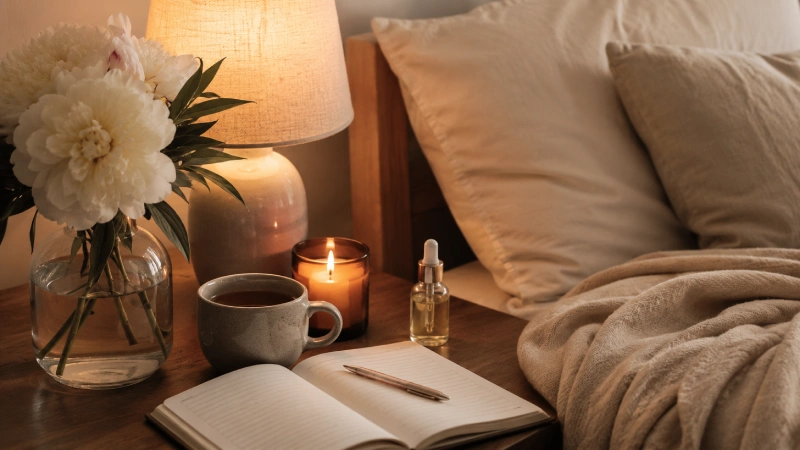
Light a candle, make tea, play music, take a slow shower, or enjoy a screen-free evening.
Avoid guilt when the treat is planned
If the expense fits your budget and supports your well-being, allow yourself to enjoy it.
Pause before emotional spending
Before buying something, ask whether it will still feel useful or comforting tomorrow.
Intentional Indulgence for Different Lifestyles
Intentional indulgence looks different for everyone.
For working professionals, it may be a better lunch, comfortable workwear, food delivery on a draining day, or a quiet commute with music.
For students, it may be favorite snacks during exams, good stationery, a cozy study corner, or short breaks between long study hours.
For homemakers, it may be practical home tools, fresh flowers, better lighting, a peaceful tea break, or something that makes daily responsibilities feel easier.
For entrepreneurs, it may be a slow morning, a meal away from screens, a wellness break, or a small purchase that supports focus and energy.
For parents, it may be a few minutes of quiet, a calming evening routine, or a comfort item that helps the home feel softer.
For older adults, it may be comfortable clothing, simple outings, nourishing food, hobbies, or a peaceful home environment.
The idea is not to copy someone else’s version of wellness.
The idea is to choose comfort that fits your life.
The New Meaning of Treating Yourself
Treating yourself used to sound like something extra.
Now, for many people, it feels like part of staying emotionally steady.
A favorite meal, a soft blanket, a calm café visit, comfortable clothes, a quiet evening, fresh bedsheets, or a small home upgrade may not look like traditional luxury. But they offer comfort, control, and relief.
That is why intentional indulgence is becoming a wellness habit.
It reminds people that life should not only be managed. It should also be felt, enjoyed, and softened wherever possible.
Final Thoughts
Intentional indulgence is not about extravagance.
It is about emotional practicality.
After years of inflation fatigue, burnout, uncertainty, and digital pressure, many people are building a more realistic relationship with spending. They are becoming careful with money, but they are also recognizing the importance of small joys.
For working professionals, students, homemakers, entrepreneurs, parents, and people of all ages, little comforts can help make daily life feel lighter.
A favorite drink. A peaceful outing. A comfortable outfit. A cozy room. A nourishing meal. A small weekly treat.
On their own, these moments may seem simple. Together, they create a sense of balance.
In a world that often demands more from everyone, intentional indulgence offers a gentle reminder:
Comfort still matters.