
In a world that keeps on rushing, where hectic calendars, digital noise, and far away distances often leave almost zero space for real, meaningful ties, festivals and festival traditions still matter a lot. The decorations are nice, sure , the food is great and there’s always some celebration going on, but festivals also contribute to something deeper, they basically gather people.
Across cultures and entire continents, those events give families a chance to meet up again, pick up on old customs, sit down for shared meals, and collect little memories that can stay around for years, or even longer, like passed on stories. Some people experience it through big public ceremonies, others more quietly at home, but either way these days remind everyone about belonging, thankfulness, and being together.
And honestly, even though the cultures feel different, many of the most loved festivals around the world seem to follow similar heart values. They honor love, family, kindness, remembrance, and hope. The steps and rituals might look different in each country, yet the wish to spend time with close ones feels universal, like it doesn’t need translation.
Here are a few beautiful festival traditions across the world that continue to tighten family bonds, bit by bit, year after year.
Diwali, India : Lighting Homes and Relationships
Few festivals show togetherness as vividly as Diwali, India’s Festival of Lights.
Celebrated by millions across the country and also around the world, Diwali is much more than a religious occasion . For many families it becomes a time for reunion, relatives travel long distances to get back home, houses are cleaned and decorated and everyone gathers to prepare hearty festive meals, along with sweet bites.
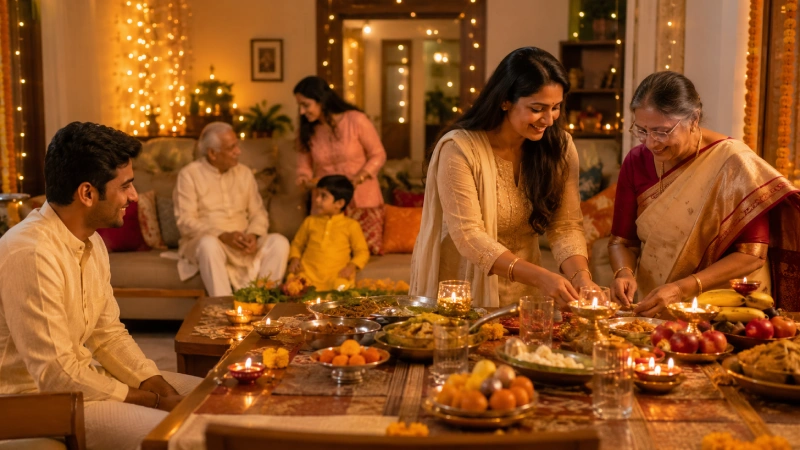
Lighting diyas, exchanging small gifts, wearing traditional outfits, and doing prayers side by side all create this feeling of warmth, and real belonging. Children can’t wait to help decorate the rooms, while grandparents often tell stories , and traditions that were carried forward through many generations, almost like a living thread.
The festival’s focus on light, good energy, and renewal makes it one of the more family-centered celebrations in the world.
Durga Puja, India: A Celebration of Homecoming and Community
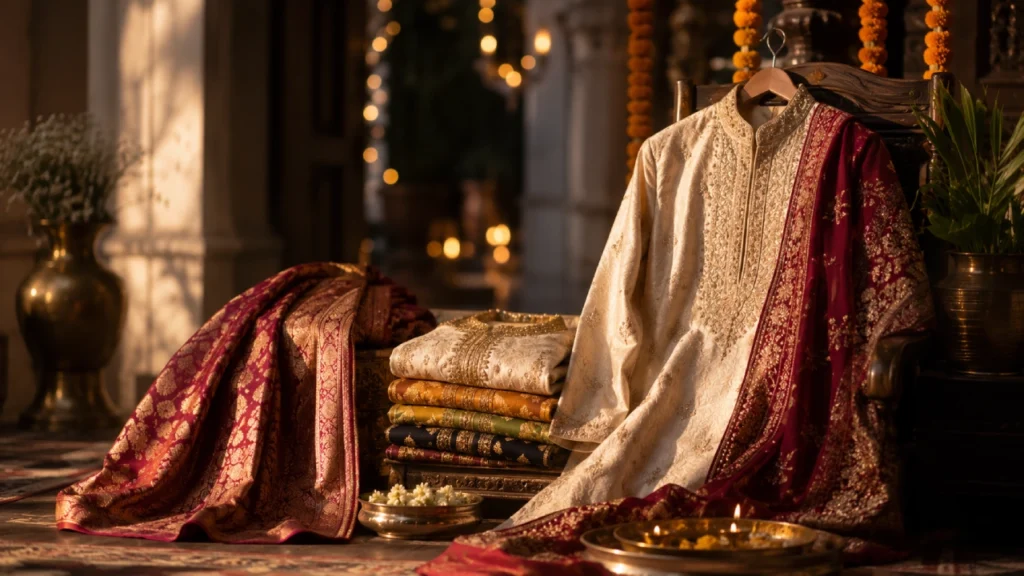
For millions of Bengalis across the world, Durga Puja is way more than a religious festival. It feels like this emotional homecoming thing, like you’re coming back to where you belong. The celebration runs over a number of days, and it marks Goddess Durga’s yearly visit to her parental home, so the big themes of family, reunion, and that sense of being included are always there in the middle of it all.
In the weeks leading up to it, families start getting ready in a pretty practical yet hopeful way. They go shopping for new clothes , organize who will meet whom, then they quietly wait for those reunions with cousins, relatives, and old friends. A lot of people travel back to their hometowns during Durga Puja, so it turns into one of eastern India’s most important times for returning, like a seasonal return to roots.
And honestly, the fun part doesn’t stop at prayers. You’ll see people spend whole days pandal-hopping together, sharing sweet and savory festive meals, wearing traditional outfits that feel almost ceremonial, catching cultural shows , and taking photos that later become these remembered customs. It’s also common to see multi-generational families there at once, grandparents, parents and children side by side, doing rituals and enjoying the day, without a strict line between “who does what”.
Maybe the most special piece of Durga Puja is the community atmosphere. Neighbours end up acting like extended family, local pandals turn into communal meeting places, and food is often enjoyed together, not just in neat little groups. In that way, the festival kinda shows how traditions can reinforce family ties, but also something broader, like belonging beyond just your own household.
For many Bengalis, Durga Puja means this feeling that’s hard to put into words: a few precious days each year when home, family, friendship, culture, and community basically overlap, and everything comes together in celebration.
Lunar New Year, China : The World’s biggest Annual Family Reunion
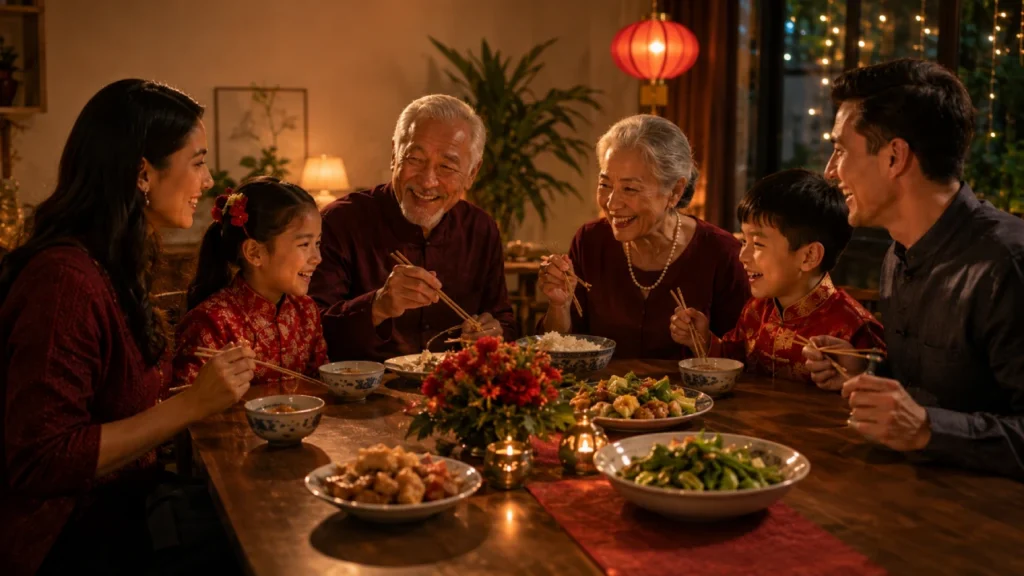
Lunar New Year is usually described as the world’s largest annual human migration , because millions of people somehow manage to travel back home to celebrate with their families .
The festival puts an unusual amount of weight on togetherness, like it’s not optional or something.
Family reunion dinners are often viewed as one of the key traditions, with different generations crowding around tables that hold symbolic dishes tied to prosperity , joy, and good fortune.
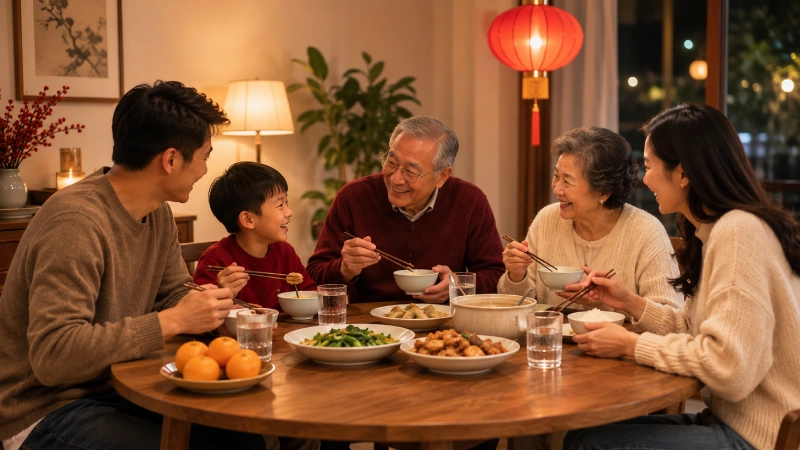
Houses get dressed up in red, children receive red envelopes with money inside, and the elders offer blessings for the year ahead. For a lot of families, the celebration isn’t only about welcoming a new year. It’s more like re affirming bonds and keeping long standing customs that link generations, even when people grow up and move away.
Thanksgiving, United States : Gratitude Orbiting The Dinner Table
In the United States, Thanksgiving kind of circles around one plain but strong tradition, which is sharing a meal together.
Families frequently travel across states to meet up around dining tables, piled with classic favorites like roasted turkey, mashed potatoes, stuffing, and pies.
Even though the food matters, the deeper meaning is gratitude plus togetherness. Many families use the day to revisit the events of the year and show appreciation for each other, not just the taste of everything.
In today’s life, schedules can be tight , and relatives often live far apart. So Thanksgiving becomes a yearly nudge to slow down, breathe, and reconnect.
Eid al-Fitr, Celebrated Worldwide: Joy Through Sharing
Eid al-Fitr comes at the end of Ramadan and it is observed by Muslim communities all over the globe. The festival starts with communal prayers, and then, it kind of moves fast into a day that feels like mostly family time:gatherings, festive meals, and those small acts of generosity that everyone seems to remember. At home, special dishes show up everywhere, relatives drop by to see each other and children, well, they often get gifts or some money from elders.
One of the nicest parts of Eid is how it really leans into sharing. Food is prepared not only for the household, but also for neighbors, and for people who need a little extra support. That, in turn , brings out values like kindness and a stronger sense of community. Overall, the celebration shows how food , hospitality, and generosity can tie families and social circles together more securely.
Christmas, Celebrated Worldwide: Traditions Passed Down Through Generations
Christmas stays as one of the most widely celebrated family festivals in the world. Even if traditions look different from country to country, the main themes feel surprisingly related. Families decorate homes together, prepare festive meals, trade gifts, sing songs, and just spend time with the ones they love.
For children, Christmas can become a kind of memory treasure, something they carry for years. For adults, it often turns into a moment to protect family habits, while also creating new ones. A lot of the rituals, like decorating trees, or sharing dinner, encourage everyone to take part, and they quietly remind people that a celebration feels better when it is lived as a group , not just alone.
Obon, Japan: Remembering The Legacy Of Ancestors Together
Japan’s Obon festival gives you a not so common view on family traditions, more like it is all about remembrance.During Obon, a lot of Japanese families head back to their hometowns to honour their ancestors. People clean the homes, visit the family graves sometimes early, and then there are traditional dances that pop up in local communities.
What’s nice is how the whole festival shows that family traditions aren’t only for the here and now, it is also for remembering those who came before, step by step.
Obon pushes reflection and gratitude, and it strengthens that intergenerational bond, reminding families why heritage matters, and how continuity keeps going.
Chuseok, South Korea: Celebrating Family and Harvest
Chuseok, often called Korean Thanksgiving, is one of South Korea’s biggest festivals.
Families move all over the country, to meet up for traditional meals and ceremonies that are meant to honour ancestors. New foods are made, and younger generations spend time picking up customs that have stayed alive for centuries, even if life changes.
In the end, Chuseok puts a huge focus on family bonds and cultural continuity. For many Koreans, coming back home during Chuseok feels like both a celebration and a quiet reaffirmation of those familial ties.
Hanukkah, Jewish Communities Worldwide: Eight Nights Of Togetherness
Hanukkah is celebrated across eight days pulls families closer, with rituals that mostly revolve around light, food, and old customs. Every evening, families come together and light candles on the menorah, kind of like the same scene over and over but it still feels meaningful. Then, traditional foods are made, songs get sung and children join in with games plus little gift exchanges.
What the festival really shows is how repeated rituals, even ones that look simple, can stick in memory and help family bonds stay stronger.

Why festival traditions Still Matter?
Even with fast technological progress, and lifestyles that keep changing, festivals are still surprisingly important. Part of it is that they make room for intentional togetherness. In normal day-to-day life, families often end up busy with work, school, screens, digital distractions, and other personal duties. Festivals give a planned pause, so people can slow down, breathe , and reconnect.
They also preserve traditions that might fade away over time. Through food, stories, small rituals, and shared celebrations, cultural knowledge moves along like it just travels from one generation to the next.
Maybe the biggest thing is that festivals meet a basic human longing for belonging. When people gather with the ones they love, cook together, share customs, and build new memories, it quietly reinforces the feeling that each person is part of something bigger.
In a world that is always connected, real togetherness becomes kind of rare and valuable. Festivals remind people that relationships need time, careful attention , and shared moments, not just passing contact.
Conclusion
The world’s festivals might seem different, in customs, language, and history , but they all roll back to one strong idea: celebrations are really about people .
Whether someone is lighting diyas during Diwali, or gathering for Lunar New Year meals , or sharing thanks at Thanksgiving, celebrating Eid with the closest people, or remembering ancestors during Obon , these ways of doing things make room for families to join up and, somehow, make their ties feel sturdier.
In a moment where modern life often feels rushed and a bit broken up, festivals still offer something more and more rare, real moments of connection, gentle warmth , and that sense of being included.
And maybe this is their best gift. Long after the decorations are removed, and the festivities quietly wrap up, the memories made around family tables, over shared dishes , and within the traditions that people hold dear, they stay with you. They carry that spirit of togetherness forward, from one generation to the next .