
Modern homes are changing.
For many young families, a beautiful home no longer means a perfectly decorated space filled with expensive furniture, fragile décor, and rooms designed mainly to impress guests. Today, the idea of a good home is becoming softer, warmer, and more practical.
Families around the world are choosing homes that feel calm, comfortable, personal, and easy to live in every day.
They want spaces that support real life: work, rest, parenting, study, cooking, hosting, hobbies, and quiet moments at the end of a long day. They are blending comfort with aesthetics, smart storage with open layouts, warm lighting with natural textures, and personal style with realistic budgets.
The new modern home is not about showroom perfection.
It is about creating a peaceful space that feels beautiful because it works for the people who live there.
Why Modern Homes Are Becoming Calmer
Life has become faster, busier, and more overstimulating.
Many people spend their days moving between work, school, screens, traffic, chores, messages, bills, deadlines, and family responsibilities. By the time they return home, they do not want another space that feels loud, crowded, or difficult to maintain.
They want a home that helps them breathe.
This is why calm home design is becoming more popular. Soft colors, natural light, warm lamps, comfortable furniture, organized storage, plants, and cozy corners are no longer just design choices. They are becoming part of everyday well-being.
A calm home can make daily life feel lighter.
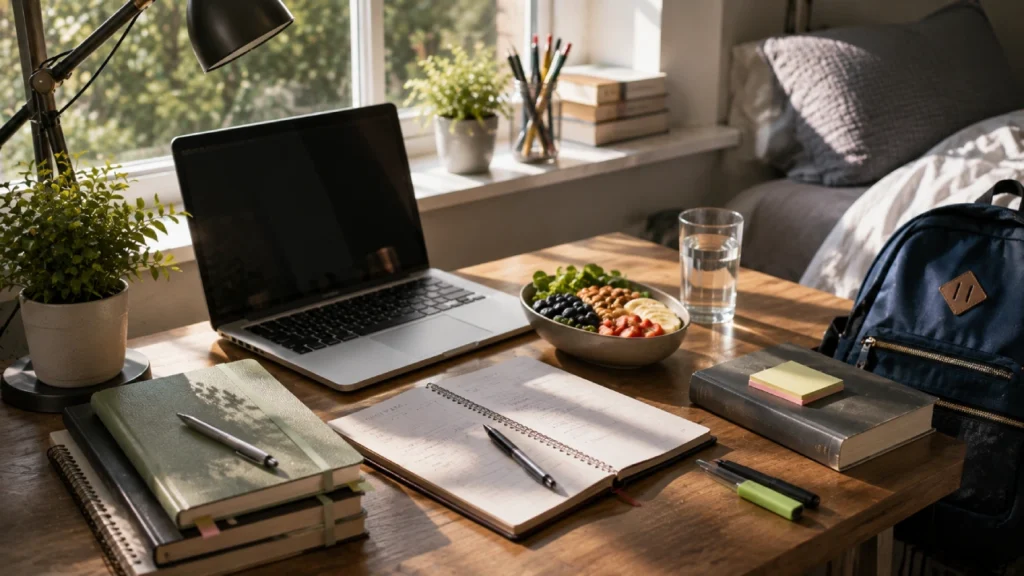
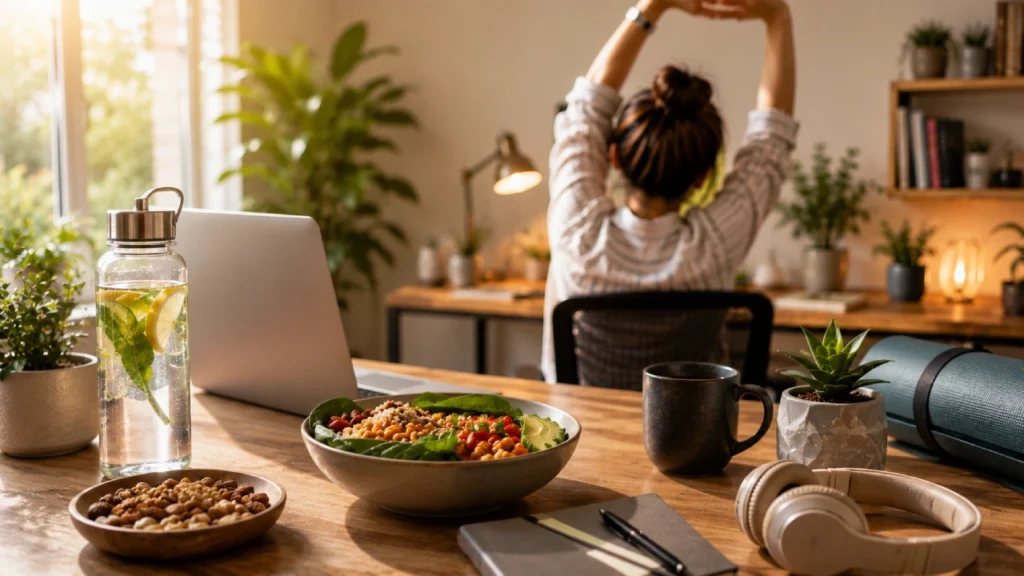
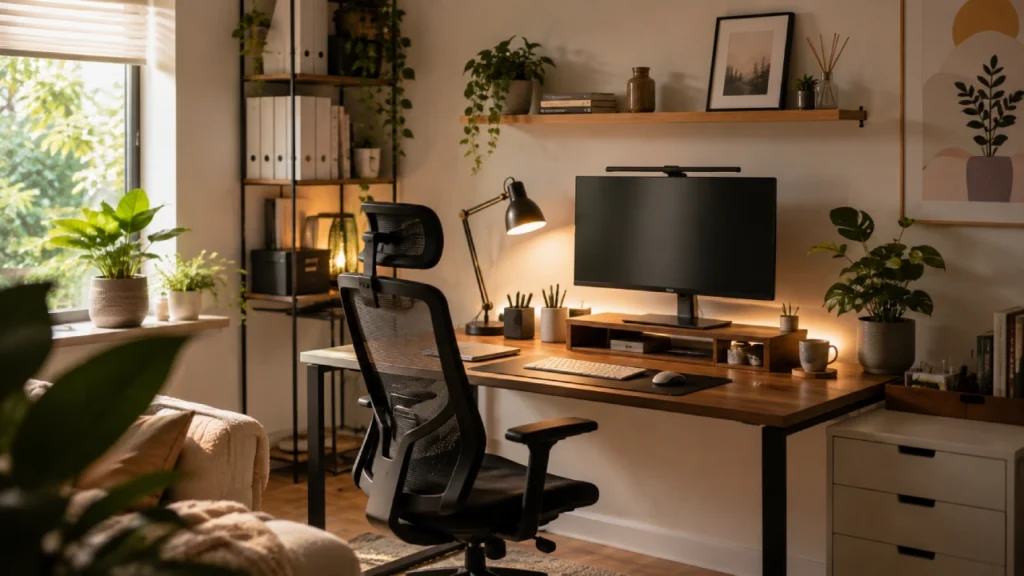
It gives working professionals a place to disconnect after long hours. It gives students and remote workers a better space to focus. It gives parents and homemakers a more manageable environment. It gives children a softer place to grow and play.
The modern family home is becoming more emotional than decorative.
Comfort Is More Important Than Perfection
For years, many homes were designed to look impressive.
Living rooms had to stay formal. Sofas had to remain perfect. Decorative items were often chosen more for appearance than usefulness. Some rooms looked beautiful but did not feel comfortable for everyday life.
That idea is changing.
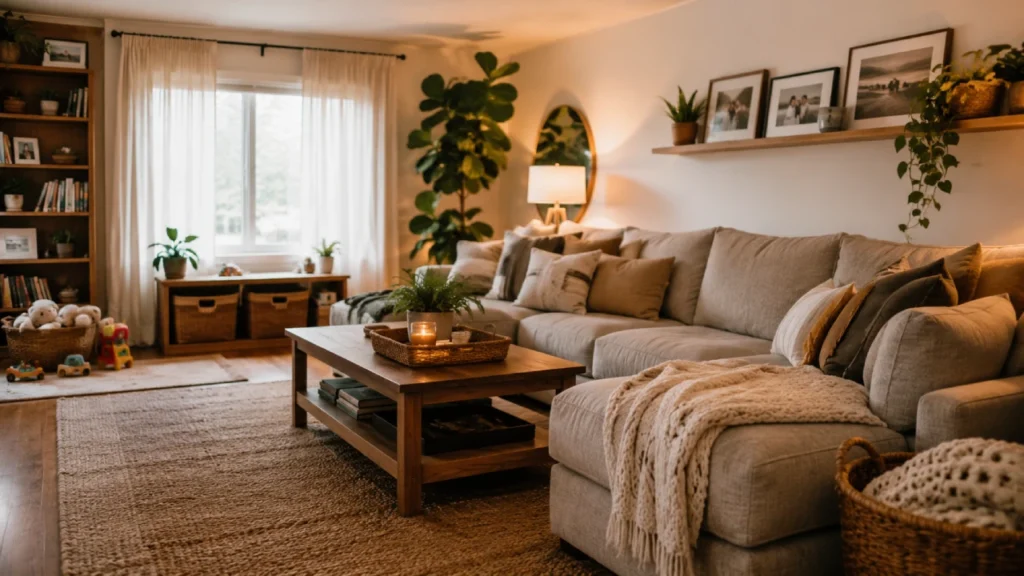
Young families now want homes that feel lived-in, not staged.
A child’s toys in the corner, books beside the sofa, a laptop on the dining table, blankets on chairs, or a half-finished puzzle on the floor no longer feel like signs of disorder. They show that the home is being used, loved, and lived in.
Comfortable sofas, washable fabrics, soft rugs, durable tables, easy-to-clean surfaces, and practical furniture are becoming more valuable than delicate décor.
A modern home does not need to look perfect all the time.
It needs to support real life.
The Rise of Warm Minimalism
Minimalism is no longer only about empty rooms and white walls.
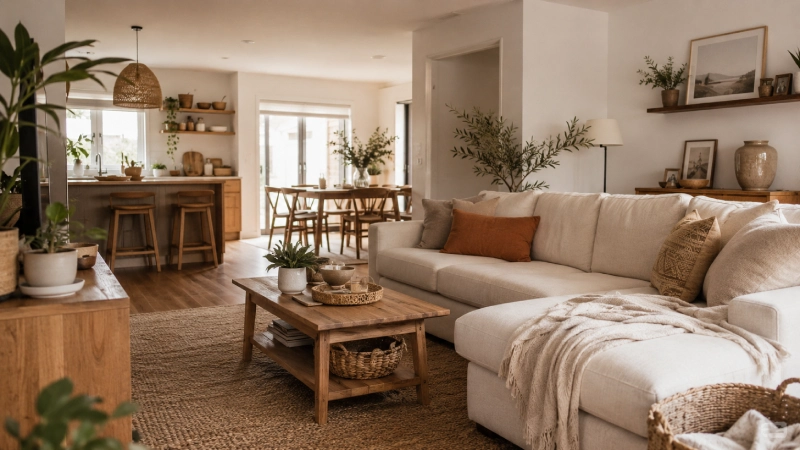
Many young families are now choosing a warmer version of minimalism. It is simple, but not cold. It is clean, but not lifeless. It is organized, but still personal.
Warm minimalism often includes:
- Neutral or earthy colours
- Soft fabrics
- Natural wood
- Woven baskets
- Indoor plants
- Handmade décor
- Comfortable seating
- Gentle lighting
- Meaningful personal objects
- Open, breathable layouts
This style works globally because it is flexible.
A family in a small apartment, a suburban house, a rented home, or a shared family space can all use the same idea: keep the home simple, but make it feel warm.
The goal is not to remove personality.
The goal is to reduce visual noise and make space for comfort.
Personal Details Make a Home Feel Alive
The most beautiful modern homes are not the ones that look copied from a catalog. They are the ones that show personality.
Young families are adding personal details that tell a story.
This may include family photographs, handmade ceramics, travel memories, books, inherited objects, local craft, artwork, children’s drawings, candles, plants, or textiles collected over time.
These details make a home feel unique.
A simple living room can become warmer with a handwoven throw. A dining table can feel more inviting with handmade bowls or a natural runner. A plain bedroom can feel softer with family photos, cozy bedding, and warm lighting.
Personal design does not have to be expensive.
It only has to feel meaningful.
Smart Storage Is Becoming Essential
Modern homes often need to do many things at once.
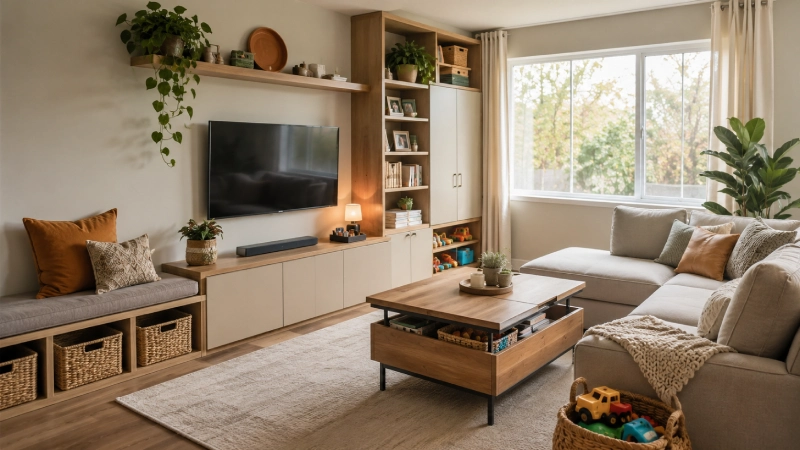
A dining table may also become a work desk. A bedroom may also work as a study area. A living room may need to handle guests, children, remote work, movie nights, and daily family time. In many cities, families are also living in compact apartments where every corner matters.
This is why smart storage has become one of the most important parts of modern home design.
Useful storage ideas include:
- Beds with hidden storage
- Wall-mounted shelves
- Built-in wardrobes
- Storage benches
- Modular kitchen cabinets
- Foldable desks
- Multi-purpose tables
- Storage ottomans
- Baskets and bins
- Vertical shelving
- Closed cabinets for visual clutter
- Under-stair or hallway storage
Good storage does more than save space.
It makes the home feel calmer.
When everyday items have a place, the mind feels less crowded. After a busy day, an organized room can create a sense of relief. This is why storage is no longer just a practical feature. It is part of emotional comfort.
Lighting Is Changing the Mood of Family Homes
Lighting can completely change how a home feels.
Earlier, many homes depended mostly on one bright overhead light in each room. It was practical, but it often made spaces feel flat, harsh, or too bright.
Now, young families are using lighting more thoughtfully.
Instead of relying only on ceiling lights, they are creating layers of light through the following:
- Floor lamps
- Table lamps
- Bedside lights
- Pendant lights
- Wall lights
- Under-cabinet kitchen lights
- Reading lights
- Candles
- Fairy lights
- Natural sunlight
- Mirrors that reflect light
Warm lighting makes a home feel softer and more welcoming, especially in the evening.
After long hours under office lights, classroom lights, store lights, or digital screens, many people want their homes to feel gentle. A warm lamp in the corner of a living room can make the entire space feel more peaceful.
Good lighting not only improves how a room looks.
It improves how a room feels.
Beautiful Homes on Realistic Budgets
Many young families want beautiful homes, but they also have to think carefully about money.
Rising living costs, rent, mortgages, childcare, education, groceries, transport, and everyday expenses have made people more mindful about how they decorate. Instead of spending heavily all at once, many families are decorating slowly and intentionally.
This is one of the biggest shifts in modern home design.
People are choosing affordable upgrades that make a real difference, such as:
- New cushion covers
- Soft bedsheets
- Warm lamps
- Indoor plants
- Wall shelves
- Storage baskets
- Simple curtains
- Affordable rugs
- Framed prints
- Fresh towels
- Peel-and-stick wallpaper
- Handmade décor
- Second-hand or refurbished furniture
A beautiful home does not need to be expensive.
A clean layout, soft lighting, comfortable seating, natural textures, and a few personal details can make a space feel calm and stylish without a large budget.
The new approach is simple: buy less, choose better, and decorate with purpose.
The Busy Family Kitchen Is Becoming Smarter
The kitchen remains one of the most important spaces in any family home.
It is where meals are prepared, conversations happen, school lunches are packed, coffee is made, and busy routines begin. But today’s families want kitchens that are easier to maintain, better organized, and more pleasant to use.
A smart modern kitchen often includes the following:
- Organized cabinets
- Easy-to-clean surfaces
- Pull-out drawers
- Proper lighting
- Compact appliances
- Clear pantry storage
- Countertop organization
- Practical waste management
- Good ventilation
- Space-saving tools
The kitchen does not have to be large to work well.
It simply needs to support daily routines.
For working couples, parents, homemakers, students, and people living in small homes, a well-organized kitchen can save time and reduce stress.
Multi-Use Spaces Are Now Part of Modern Living
Modern family homes have to be flexible.
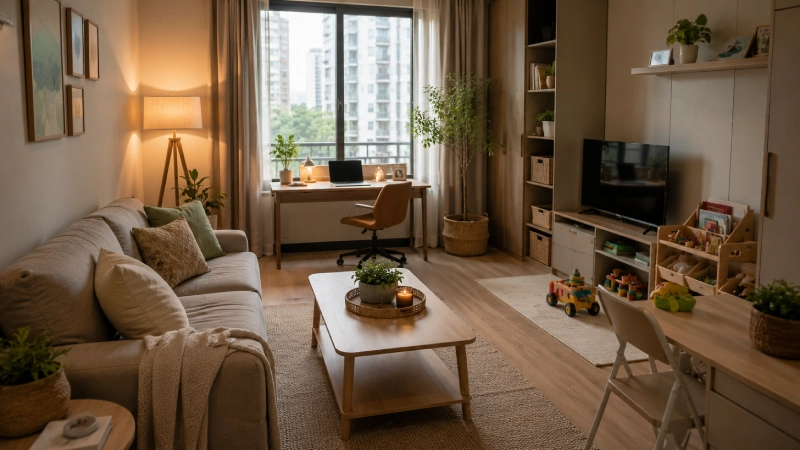
One room often serves many purposes. A living room may become a play area during the day and a quiet lounge at night. A bedroom may include a small work desk. A balcony may become a reading corner. A dining table may support meals, homework, work calls, and family planning.
This is why flexible furniture and thoughtful layouts are becoming popular.
Young families are choosing the following:
- Sofa beds
- Foldable desks
- Extendable dining tables
- Movable side tables
- Lightweight chairs
- Room dividers
- Balcony seating
- Wall-mounted workstations
- Storage benches
- Convertible furniture
A flexible home adapts to life as it changes.
This is especially useful for renters, young parents, remote workers, students, and families living in compact spaces.
Nature Is Coming Indoors
Natural elements are becoming a major part of calm home design.
Indoor plants, wood, stone, clay, cotton, linen, bamboo, cane, jute, and other natural textures make homes feel grounded and peaceful. They also soften modern interiors that might otherwise feel too plain or cold.
Even small touches can help.
A plant near the window. A wooden side table. A cotton throw. A woven basket. A ceramic vase. A natural rug. These details make a room feel warmer without overcrowding it.
Bringing nature indoors also helps create a slower, more restful feeling.
For families living in busy cities, even a small plant corner or balcony garden can become a daily source of calm.
Homes Are Becoming More Honest
The new modern home is not trying to look perfect for photos.
It is trying to feel good in real life.
This is an important change.
Families are becoming more comfortable with homes that show daily routines. A blanket on the sofa, schoolbooks on the table, toys in baskets, dishes drying near the sink, or laundry waiting to be folded are all part of normal life.
A home does not need to hide its reality to be beautiful.
In fact, the most comforting homes often feel slightly imperfect. They feel warm because people actually live there.
This honesty is part of the new design language.
Homes are becoming less about performance and more about peace.
How Different People Use the Modern Home
A modern family home has to support many needs at once.
For working professionals, it should offer calm after busy days.
For students, it should provide focus and comfort.
For homemakers, it should be practical, easy to maintain, and emotionally warm.
For entrepreneurs and remote workers, it should include spaces that support concentration.
For parents, it should be safe, flexible, and family-friendly.
For children, it should allow movement, play, learning, and rest.
For older family members, it should feel accessible, familiar, and comfortable.
This is why modern home design has become more thoughtful. It is no longer only about style. It is about how people live, rest, work, connect, and recover inside the home.
Simple Ways to Create a Calm Modern Home
You do not need a full renovation to create a calmer home.
Small changes can make a big difference.
Try these simple ideas:
- Replace harsh lights with warm lamps
- Keep one surface clutter-free
- Use soft bedding
- Add indoor plants
- Choose neutral or earthy colors
- Use baskets for storage
- Create one cozy corner
- Add personal photos or meaningful objects
- Use mirrors to bring in more light
- Choose furniture with storage
- Keep daily-use items organized
- Decorate slowly instead of buying everything at once
The goal is not perfection.
The goal is to make your home feel easier to live in.
A Gentler Way to Live at Home
The new modern home reflects a bigger lifestyle shift.
Young families around the world are moving away from spaces that only look impressive and choosing homes that feel calm, useful, affordable, and personal. They want comfort, not clutter. Beauty, but not pressure. Style, but not perfection.
They are using smart storage to reduce stress. Warm lighting to create softness. Natural materials to bring calm. Personal details to add meaning. Flexible furniture to support changing routines. Affordable choices to build beauty slowly.
Most importantly, they are designing homes for real life.
In a world that often feels fast, noisy, and demanding, the modern home is becoming something deeply important:
A peaceful place to return to.