
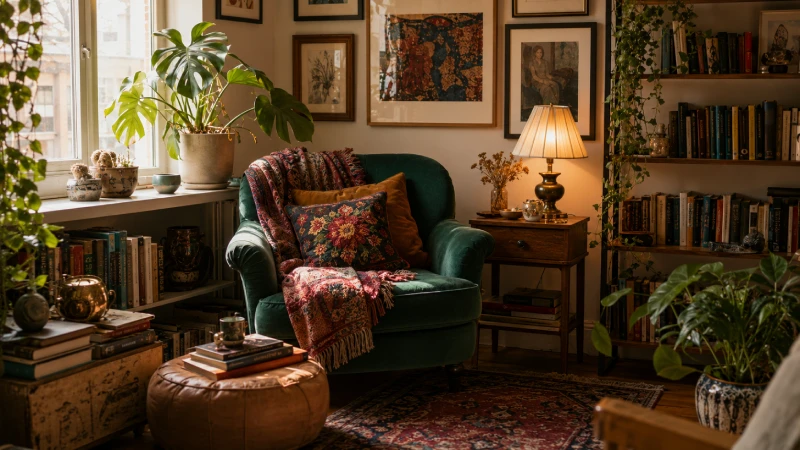
The Rise of Personal Vibes: Something shifted in the way people relate to trends somewhere between 2023 and now, and it has been building quietly enough that it is easy to miss if you are still watching the wrong metrics. The micro-trend cycle (the one that gave us mob wife, clean girl, coastal grandmother, quiet luxury and a dozen other aesthetic identities in rapid succession) did not collapse, but accelerated. And in accelerating beyond a pace that most people could meaningfully follow, it created the conditions for its own rejection.
Pinterest’s Spring 2026 Trend Report, released in March and based on the search and save behavior of over 600 million active users, puts a number on what many people have been feeling for some time. Trends are now growing 4.4 times faster than they were seven years ago. The data from the platform confirms that people have stopped trying to keep up with it by redirecting their attention inward. This is a cultural shift with real texture. Here is what it actually looks like, and why it matters.
Trend Fatigue Is Real, Quantifiable, and Generational
The most important piece of context for understanding this shift is that it is not a niche reaction. It is a response that spans generations but is being led, data shows, by the cohort most associated with trend culture itself.
Gen Z drives 67% of Pinterest’s 2026 trend predictions. This is the same generation that made TikTok aesthetics a dominant cultural force, that cycled through identities faster than any group before them, and that was largely assumed to be the engine of perpetual micro-trend consumption. The assumption was not unreasonable, but it missed something important. A generation raised online with infinite access to fashion inspiration and infinite competing aesthetics develops taste fatigue.
Noémie Voyer, fashion lead at trend analytics platform Trendalytics, describes what has happened plainly. After years of ultra-fast micro-trends, Gen Z is showing fatigue with constant novelty and is increasingly valuing pieces (and spaces, and experiences) that last emotionally, stylistically and materially. The shift, as one Marie Claire feature summarised it, is from a generation that defined itself through knee-jerk aesthetic reactions to one that wants “clothes that provide joy and security.” The aesthetic vocabulary has changed; the underlying emotional need has not.
What this looks like in practice is a move from trend participation to identity curation. Nearly a quarter of Gen Z and Millennial consumers globally say the way they avoid trend fatigue is by putting their own spin on trends. This is trend translation, and the distinction matters. People are refusing to let aesthetics give them instructions.
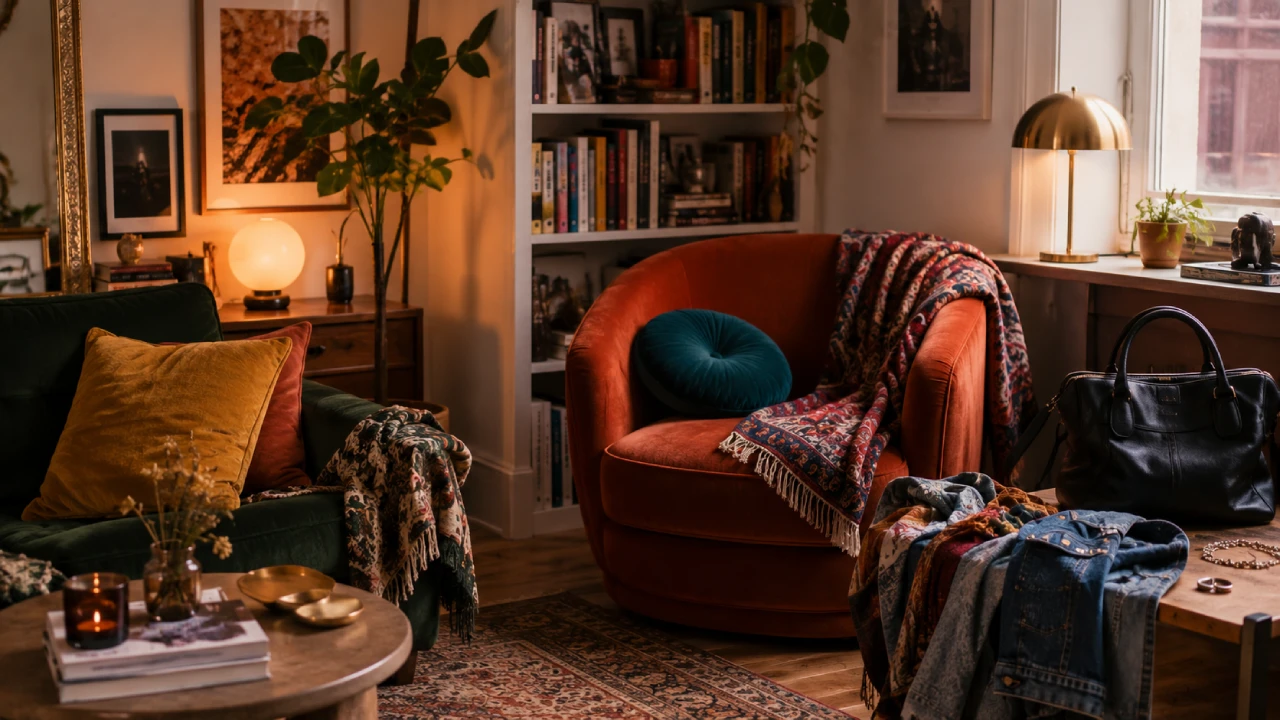
The Home Becomes the Most Personal Space
Nowhere is this shift more clearly documented than in how people are approaching their living spaces. For over a decade, interior aesthetics followed a recognizable pattern of a dominant look (minimalism, Scandi neutrals, the all-white-everything era) that circulated through the design press, colonized social media, and became the default aspiration for anyone refreshing their home. The pressure was not explicit, and the result was an era of homes that looked, at their most polished, like pleasant hotels.
Pinterest’s 2026 data suggests that era is closing.
- The “my room, my rules” mentality is up 415% in searches.
- Searches for “aubergine kitchen” have surged 495%.
- “Grandma core kitchen” is up 545%. “Dark cottagecore kitchen” is up 915%.
These are search terms that describe a proliferation of highly individual, emotionally specific design choices being made by people who have decided that comfort and personal resonance outrank whatever the current acceptable palette happens to be.
Pinterest explicitly frames this as the season of micro-makeovers. These are small, meaningful interventions that make a space feel genuinely like the person living in it.
- A reading nook.
- A painted kitchen cabinet.
- A vintage find placed deliberately in a modern room.
These choices signal a preference for feeling at home over performing domesticity.
The trend toward “Afroboho” interiors, a 2026 fusion of African and bohemian aesthetics led by Boomers and Gen X, with searches for “African boho living room” and “Afro chic home decor” climbing steadily, reinforces the same point from a different angle. The design choices gaining traction are personally meaningful. What they share is an intention, where making spaces reflect actual heritage, actual taste and actual life.
Fashion Shifts from Copying to Curating
The same logic is restructuring how people approach what they wear, and fashion analytics are registering it in measurable ways.
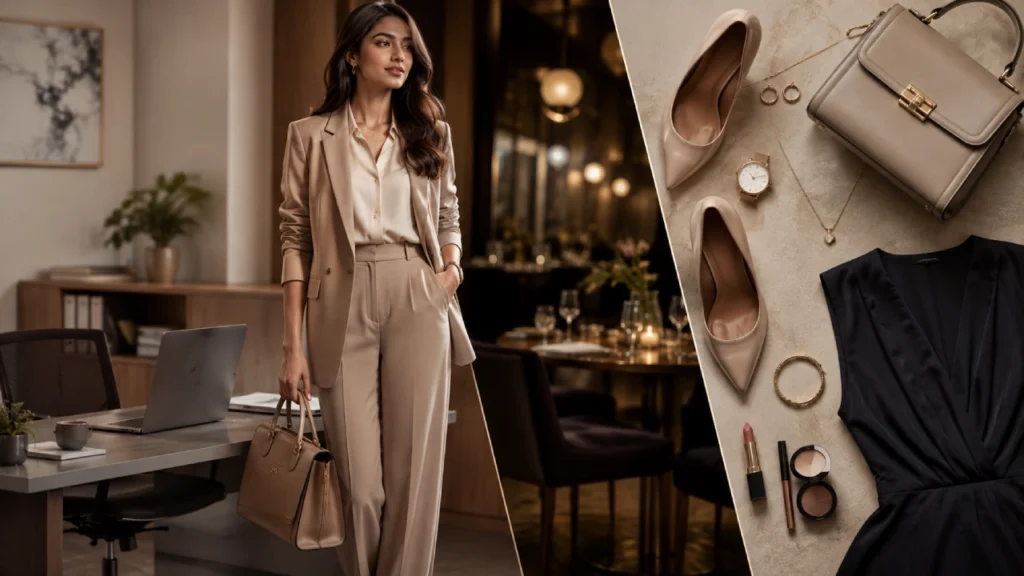
The clearest sign is how the concept of “a personal style” has re-emerged as something aspirational after years of aesthetic identity becoming a seasonal subscription. In 2026, consistency in style is being described by trend forecasters as “the new flex.” One analyst puts it as amid decision fatigue, economic tension and digital noise, where people are turning to dependable staples (boxy knits, sharp tailoring, workwear classics) as a way to express taste through repetition.
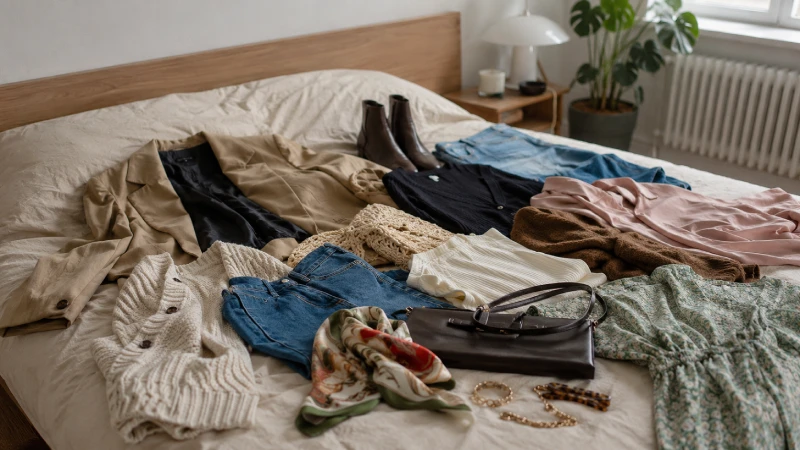
Gen Z’s approach in 2026 is characterized by pulling from multiple style codes simultaneously. A single wardrobe might combine thrifted vintage, structured workwear, and playful accessories, because that combination reflects who they actually are more accurately than any single “-core” label could. As Gen Z content creator and buying trainee Sarahbelle Kim observed, the rapid recycling of aesthetics and the internet’s tendency to tire of them quickly is forcing a reckoning with “what it means to have a personal relationship with style.“
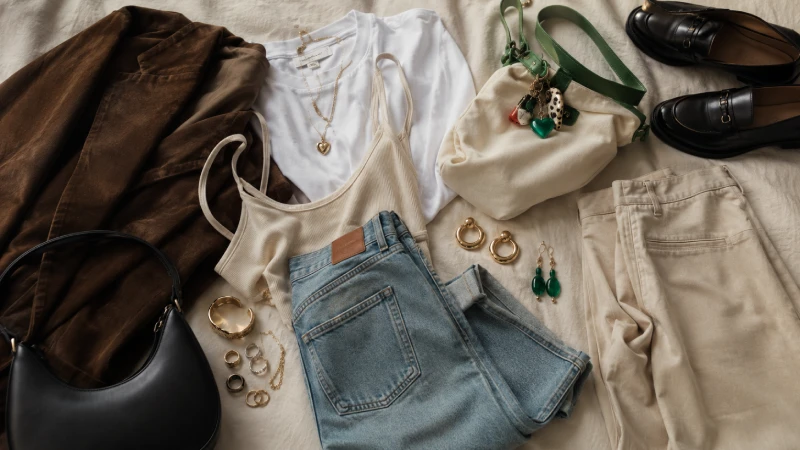
The accessories category is where this expressive instinct is showing up most visibly. Charms, chunky jewelry, unusual bags and bold earrings are carrying significantly more visual weight than they did in the minimalist years. Mismatched manicures and intentionally asymmetric beauty looks or beauty “missing the mark on purpose,” as Pinterest Predicts describes it, are rising in searches. These choices are deliberate assertions of individuality in a cultural context where looking like everyone else has become, for the first time in a while, the less interesting option.
Why This Shift Matters Beyond Aesthetics
It would be easy to read the personal vibes movement as a purely aesthetic story, a swing of the cultural pendulum from homogeneity to individuality that will eventually swing back. But the data behind Pinterest’s 2026 report suggests something more durable is happening.
Pinterest notes that 55% of global respondents identify comfort as a primary need in their daily lives. The trends emerging from that emotional baseline (micro-makeovers, vintage finds, comfort-first cooking, smaller and more home-centered social plans) are expressions of a collective mood that is prioritizing feeling good over looking correct. As Pinterest stated plainly in their spring release, “People want to feel good about their lives in 2026, not upend them.”
This is a meaningful distinction. The trend cycles of the early 2020s were largely organized around aspiration and transformation, the implicit proposition that adopting the right aesthetic would make you a different, better, more curated version of yourself. The current moment is organized around the idea that self-expression is most honest when it is built from what you already are.
For anyone who has felt the low-level exhaustion of trying to keep pace with rotating micro-aesthetics, the personal vibes shift is not a trend in the conventional sense. It is closer to a permission slip, one that a significant number of people, across generations and geographies, appear to have been waiting for.
What to Watch Next
The cultural correction happening in 2026 will not eliminate trend culture. Trends are too useful (as social shorthand, as commercial drivers, as expressions of collective mood) to disappear. What is changing is their authority. A trend used to function as a directive. Increasingly, it functions as something you might adapt, riff on, or quietly ignore in favor of whatever actually makes your space, your wardrobe, or your day feel like yours.
The platforms and brands that understand this distinction earliest will be the ones that matter most in the next phase of culture. And for the rest of us, the shift offers something genuinely rare in the era of the algorithmic feed, with the reassurance that having your own taste, however unfashionable, is once again the point.
Data references are drawn from Pinterest’s Spring Trend Report 2026 and Pinterest Predicts 2026, published in March and December 2025, respectively.