
Tea culture: Tea is one of the world’s most beloved beverages, enjoyed by billions of people every day. Though in a lot of cultures tea is more than just a drink, it’s like a small ritual, a pause in the flow, and a quiet reminder to slow down.
In a world where meals get rushed, notifications keep demanding attention, and multitasking has basically turned into second nature, tea traditions still manage to offer something increasingly rare. Whether it’s that carefully planned Japanese tea ceremony, an afternoon tea shared with family in Britain, or those comforting cups of chai served across Indian households, tea has been tied for ages to conversation, hospitality, reflection, and that sense of being there.
As mindfulness becomes a bigger part of modern wellness, many people are slowly re-learning the value of these ways. Tea culture shows that plain, daily rituals can turn into opportunities to practice patience, gratitude, and intentional living. Across different countries, tea gets prepared and enjoyed in ways that vary a lot, but the messages it brings are surprisingly the same.
Japan: Finding Calm in the Tea Ceremony
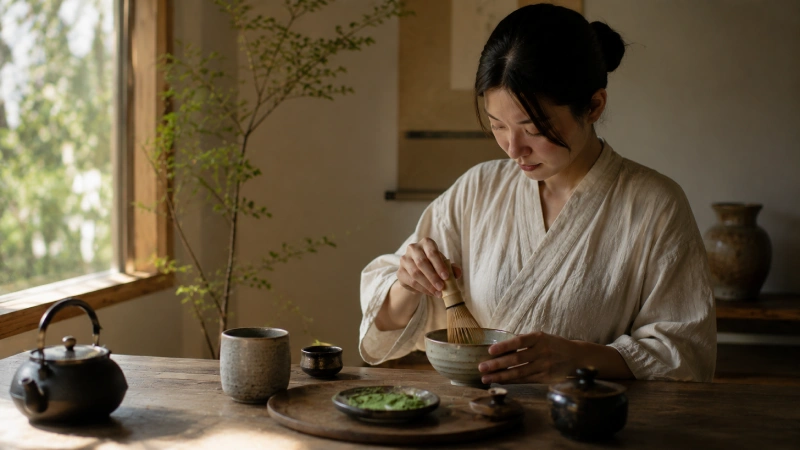
Maybe no tea tradition feels as mindful asJapan’s Chanoyu, or traditional tea service. It’s tied to Zen Buddhist ideas, so it’s not only about making matcha. Instead, each step from creasing the cloth a bit to whisking the tea and handing the bowl over is done slowly and carefully, like your mind has to stay right there, no wandering.
People at the ceremony are encouraged to notice silence, watch the tiny things, and stay fully present during the whole time. You don’t really sprint to the next action; the process kinda teaches that normal, ordinary tasks can still feel important when you do them with care. Even if someone never attends a formal tea gathering, they can still borrow the mood by making everyday tea without distractions and taking a couple of calm minutes before the day starts moving too fast.
India: Chai as a Shared, Small Connection
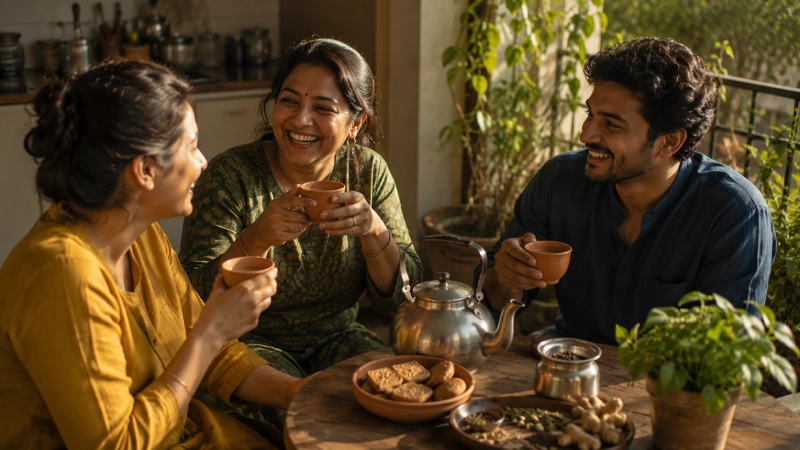
In India, tea seems built into daily rhythm. Mornings often begin with a hot cup of masala chai. Later in the day, evenings too, another cup may show up, shared with family members, neighbors, friends, or coworkers. And compared with a quick, rushed coffee break, chai more often invites conversation. It becomes a reason to pause work, greet guests, talk about what happened today, or sit close together for a few unhurried moments.
You can see it in houses, at roadside tea stalls, in offices, and even at railway stations. Chai makes places where connections grow, not through big speeches, but through simple talk. Making the chai is a mindful ritual as well. You wait while the tea slowly simmers with milk and ginger, cardamom, cloves, cinnamon, or other warming spices. That waiting fills the kitchen with known aromas, and many people associate that smell with comfort and home, not just with taste alone.
Britain: The Comfort of Afternoon Tea
Honestly, few traditions feel as tied to tea as Britain’s afternoon tea. It started in the nineteenth century, then it slowly turned into this social thing, more or less based around conversation and hospitality. Usually you’ll see finger sandwiches, scones, little cakes and pastries served on trays, all in a calm, unhurried way.

These days, schedules might not always let you do the full affair, but still, the main idea stays: stop for a deliberate break in the middle of the day. In a lot of homes, even a simple pause to pour tea becomes a small chance to step away from work, share time with family, or just catch a few quiet moments where you can think.
Morocco: Hospitality Served in a Glass
In Morocco, serving mint tea is seen as a sign of generosity and a welcoming spirit. Traditionally, it’s made with green tea, fresh mint leaves, and sugar, then the mixture is poured from a height into small glasses, which gives it a light foam on top. Guests get greeted with the tea immediately, and the talk usually goes on through several refills, not just one.
The whole ritual feels patient, because it values staying together and sharing time, rather than rushing through things. And it shows that hospitality isn’t only about what is served, but also about the hours you actually spend together while it’s being shared.
Turkey: Tea As Part Of Everyday Life
In Turkey, tea or çay sits right at the center of daily life. It’s served in those distinct tulip-shaped glasses, and it shows up during breakfast, business meetings, family visits, and even those relaxed chats that happen between errands. People seem to naturally include it throughout the day, like it would be strange not to.
Tea houses also stay important as social places where people gather to talk, play games, and spend time together without that feeling of being pushed. So the whole popularity of tea in Turkey shows something real: that mindfulness does not always mean silence, or complete solitude. Sometimes it’s just being there, really present with the folks around you.
Tea Encourages Everyday Mindfulness
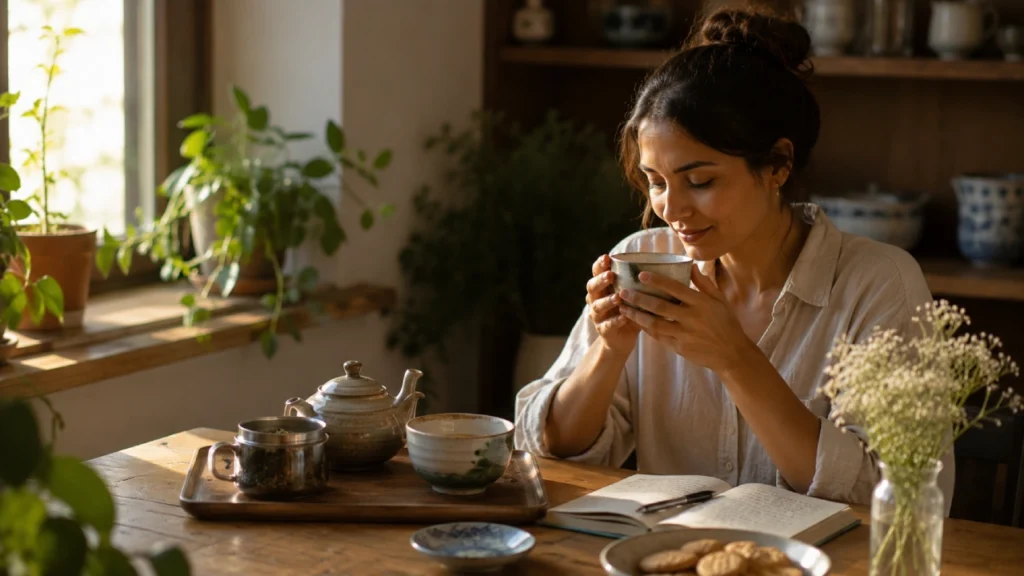
One reason tea keeps its cultural weight is that it tends to bring people into slower rhythms. There’s boiling the water, choosing the tea leaves, waiting for the brew, and then enjoying each sip, and honestly that needs more patience than just grabbing a drink while running between things.
That small pause creates a chance to notice tiny stuff: the cup feeling warm, the scent of herbs or spices, the weather shifting outside, or what is being said across the table. Mindfulness does not always mean long meditation sessions or those wellness retreats people talk about. Sometimes it starts with something as ordinary as making tea, and yes, doing it without looking at a phone, for once.
Tea Rituals in Modern Wellness
Lately it feels like more people are looking for that balance in life that somehow slips away when schedules get loud, and tea rituals are coming back with quiet weight. Some folks set up a morning cup routine before they even touch emails; others pick herbal tea instead of late-night scrolling, and in the afternoon they treat the break as a little doorway away from work. Chamomile tea might slot into an evening wind down, green tea often shows up while reading in calm, while traditional chai still manages to pull families together after long days.
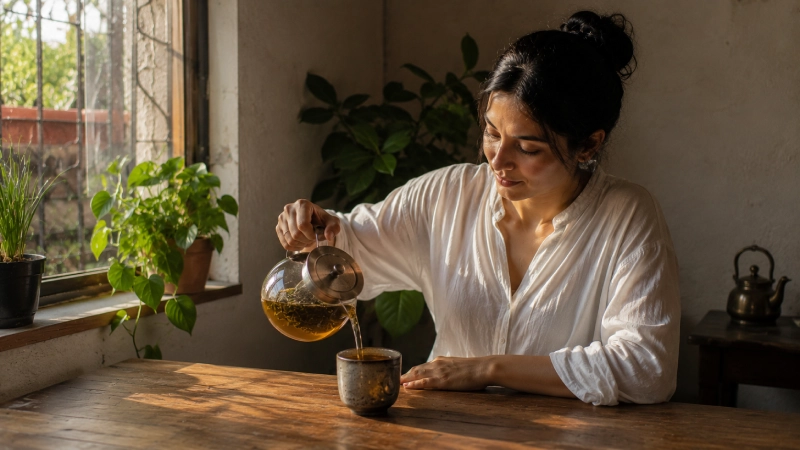
But really, the drink itself is only a piece of the whole affair. Just as vital is the small pause it makes possible. In that sense, tea stops being only about drinking, and starts being about making tiny pockets of calm inside everyday living.
Why Tea Culture Still Matters Today
Even with technology moving fast and lifestyles changing, tea traditions keep holding on because they satisfy something that feels deeply human. They make room for conversation, instead of the nonstop digital chatter. They teach patience in places that are now driven by speed and quick results.
They underline togetherness rather than solitary distraction. And maybe the biggest point is that meaningful rituals do not have to be complicated. A few quiet minutes with a warm cup of tea can become a chance to reconnect with family or friends, or even just with yourself.